
Understanding Oil Tubing Pipe: Essential Insights for Construction and Decoration
In the construction and decoration materials industry, the term "oil tubing pipe" refers to a specialized type of pipe designed primarily for transporting oil and other liquids. These pipes play a crucial role in various applications, including oil extraction, refinement, and distribution. Understanding the characteristics and applications of oil tubing pipes can be beneficial for professionals in
Feb 08,2026
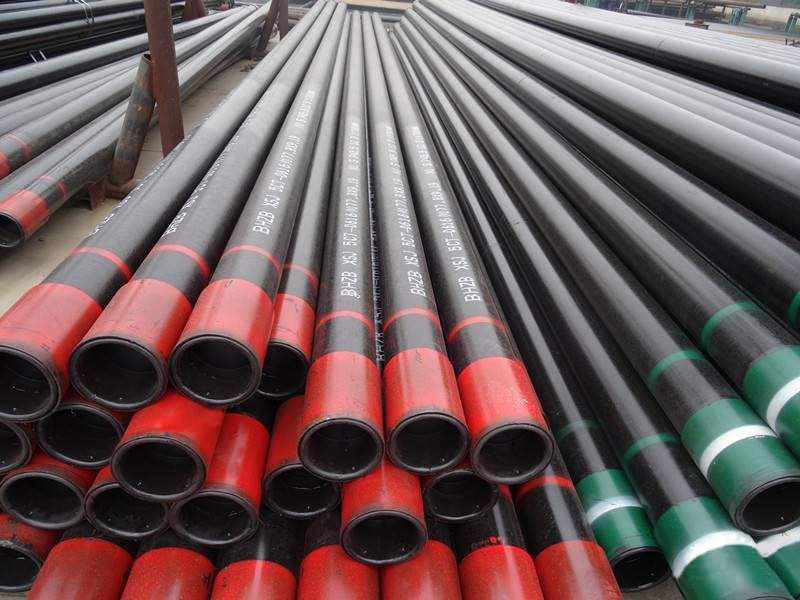
In the construction and decoration materials industry, the term "oil tubing pipe" refers to a specialized type of pipe designed primarily for transporting oil and other liquids. These pipes play a crucial role in various applications, including oil extraction, refinement, and distribution. Understanding the characteristics and applications of oil tubing pipes can be beneficial for professionals in construction and related fields.
Oil tubing pipes are typically made from high-quality steel or other durable materials that can withstand high pressure and harsh environmental conditions. Their design focuses on enhancing strength and resistance to corrosion, which is essential for maintaining the integrity of the pipe over time. This durability makes oil tubing pipes suitable for both onshore and offshore applications, where they encounter extreme conditions.
One of the primary types of oil tubing pipes is the seamless pipe. Seamless oil tubing pipes are manufactured without joints or welds, which significantly reduces the risk of leaks and failures under pressure. This characteristic is particularly important in oil extraction and transportation, where even minor leaks can lead to significant environmental and financial consequences. Seamless pipes are often favored for high-pressure applications due to their robustness.
Another type is the welded oil tubing pipe, which is created by welding together flat steel plates to form a pipe. While they may not possess the same level of strength as seamless pipes, welded pipes are often more cost-effective and can be produced in larger diameters, making them suitable for certain applications where pressure is not the primary concern.
When selecting oil tubing pipes for a project, several factors should be considered. It is essential to assess the specific requirements of the application, including the type of fluid being transported, the operating pressure, and environmental conditions. Additionally, the compatibility of the pipe material with the transported liquid should be evaluated to prevent corrosion and damage.
In summary, oil tubing pipes are an integral part of the construction and decoration materials industry, especially when it comes to transporting oil and other fluids safely and efficiently. Understanding the different types of oil tubing pipes, their applications, and the factors to consider when selecting them can greatly enhance decision-making processes. Whether you are involved in construction, design, or any related field, having comprehensive knowledge of oil tubing pipes will undoubtedly contribute to the success of your projects.
Oil tubing pipes are typically made from high-quality steel or other durable materials that can withstand high pressure and harsh environmental conditions. Their design focuses on enhancing strength and resistance to corrosion, which is essential for maintaining the integrity of the pipe over time. This durability makes oil tubing pipes suitable for both onshore and offshore applications, where they encounter extreme conditions.
One of the primary types of oil tubing pipes is the seamless pipe. Seamless oil tubing pipes are manufactured without joints or welds, which significantly reduces the risk of leaks and failures under pressure. This characteristic is particularly important in oil extraction and transportation, where even minor leaks can lead to significant environmental and financial consequences. Seamless pipes are often favored for high-pressure applications due to their robustness.
Another type is the welded oil tubing pipe, which is created by welding together flat steel plates to form a pipe. While they may not possess the same level of strength as seamless pipes, welded pipes are often more cost-effective and can be produced in larger diameters, making them suitable for certain applications where pressure is not the primary concern.
When selecting oil tubing pipes for a project, several factors should be considered. It is essential to assess the specific requirements of the application, including the type of fluid being transported, the operating pressure, and environmental conditions. Additionally, the compatibility of the pipe material with the transported liquid should be evaluated to prevent corrosion and damage.
In summary, oil tubing pipes are an integral part of the construction and decoration materials industry, especially when it comes to transporting oil and other fluids safely and efficiently. Understanding the different types of oil tubing pipes, their applications, and the factors to consider when selecting them can greatly enhance decision-making processes. Whether you are involved in construction, design, or any related field, having comprehensive knowledge of oil tubing pipes will undoubtedly contribute to the success of your projects.
Key words:


Contact
E-mail:
Add:
Hope New District, Mengcun Hui Autonomous County,
Cangzhou City, Hebei Province


PRODUCT SEARCH
Search And Quickly Find The Products You Need
The main products include oil pipeline pipes, oil casing and various specifications of GB/T8162 structural pipes, GB8/T163 fluid pipes, GB/T3087 low and medium pressure boiler pipes, G/TB5310 high pressure boiler pipes, GB/T6479 fertilizer special pipes, etc.