
The Versatility of Steel Line Pipe in Various Industries: Applications, Benefits, and Innovations
The Versatility of Steel Line Pipe in Various Industries
Table of Contents
1. Introduction to Steel Line Pipes
2. The Role of Steel Line Pipes in the Oil and Gas Industry
3. Steel Line Pipes in Water Management Systems
4. Construction Applications of Steel Line Pipes
5. Food and Beverage Industry Uses
6. Advantages of Using Steel Line Pipes
7. Innovations in Steel Line
Feb 07,2026

The Versatility of Steel Line Pipe in Various Industries
Table of Contents
- 1. Introduction to Steel Line Pipes
- 2. The Role of Steel Line Pipes in the Oil and Gas Industry
- 3. Steel Line Pipes in Water Management Systems
- 4. Construction Applications of Steel Line Pipes
- 5. Food and Beverage Industry Uses
- 6. Advantages of Using Steel Line Pipes
- 7. Innovations in Steel Line Pipe Manufacturing
- 8. FAQs About Steel Line Pipes
- 9. Conclusion
1. Introduction to Steel Line Pipes
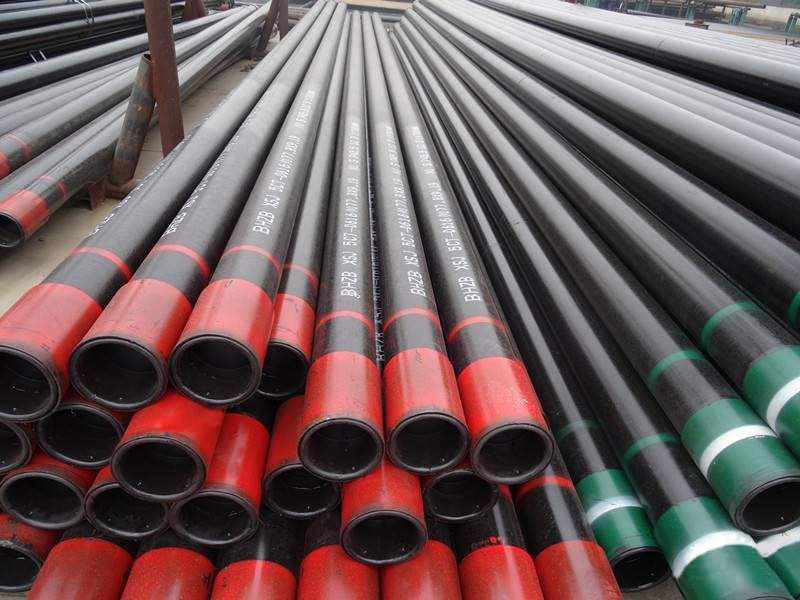
Steel line pipes are integral components in various industries, serving as conduits for transporting fluids, gases, and even solids. Their durability and strength make them highly versatile and reliable, suitable for numerous applications. In this article, we will explore their use across multiple sectors, discussing the unique properties that make steel line pipes a preferred choice.
2. The Role of Steel Line Pipes in the Oil and Gas Industry
In the oil and gas industry, steel line pipes play an essential role in the transportation of crude oil, natural gas, and other petroleum products. Their ability to withstand high pressure and corrosive substances makes them ideal for such demanding environments.
2.1 High-Pressure Applications
Steel line pipes are designed to operate efficiently even under extreme pressure conditions. This is crucial for offshore drilling and pipeline transportation, where the integrity of the pipes directly influences safety and productivity.
2.2 Corrosion Resistance
Modern advancements in steel manufacturing have led to the development of corrosion-resistant alloys. These innovations ensure that steel line pipes maintain their integrity even when exposed to harsh elements, which is vital for long-term operation.
3. Steel Line Pipes in Water Management Systems
Water management is another critical domain where steel line pipes are indispensable. With the increasing need for sustainable water transportation systems, the strength and longevity of steel line pipes offer significant advantages.
3.1 Municipal Water Supply
Municipalities rely on steel line pipes for their water distribution networks. Their robust nature ensures that they can handle varying pressures while delivering potable water reliably to communities.
3.2 Irrigation Systems
In agricultural settings, steel line pipes are frequently utilized for irrigation. Their durability allows for efficient water delivery to crops, supporting agricultural productivity while minimizing maintenance costs.
4. Construction Applications of Steel Line Pipes
Steel line pipes are widely used in construction for various purposes, including structural support and utility installations. Their versatility makes them an essential material in modern construction projects.
4.1 Structural Support
In high-rise buildings and infrastructure projects, steel line pipes serve as critical structural elements, providing necessary support and stability.
4.2 Utility Installations
Utility companies frequently utilize steel line pipes for underground installations of gas, water, and electricity lines. Their strength and resistance to environmental factors make them an ideal choice for these applications.
5. Food and Beverage Industry Uses
The food and beverage industry requires high standards of hygiene and safety, making steel line pipes an excellent choice for transporting liquids and gases.
5.1 Safety and Hygiene Standards
Steel line pipes can be easily cleaned and sterilized, ensuring compliance with strict food safety regulations. This feature is essential for processing plants and bottling facilities.
5.2 Durability in Harsh Environments
The food and beverage sector often involves corrosive chemicals and high temperatures. Steel line pipes withstand these conditions, ensuring that production processes remain uninterrupted.
6. Advantages of Using Steel Line Pipes
The benefits of using steel line pipes extend beyond mere durability. Here are some distinct advantages that make them a preferred choice across industries.
6.1 Longevity
Steel line pipes have an extended service life compared to alternatives such as plastic or PVC. Their ability to resist wear and tear contributes to long-term cost savings.
6.2 Eco-Friendliness
Steel is a recyclable material, contributing to sustainability efforts in various industries. Using steel line pipes minimizes environmental impact and supports recycling initiatives.
6.3 Cost-Effectiveness
While the initial investment in steel line pipes may be higher than other materials, the long-term savings associated with maintenance and replacements often outweigh the upfront costs.
7. Innovations in Steel Line Pipe Manufacturing
Recent advancements in manufacturing processes have revolutionized the production of steel line pipes, enhancing their performance and application range.
7.1 Advanced Coating Techniques
Innovative coating methods improve corrosion resistance and increase the lifespan of steel line pipes, making them suitable for even the most challenging environments.
7.2 Enhanced Welding Technology
New welding technologies result in stronger joints and connections, ensuring the integrity of pipelines and minimizing the likelihood of leaks or breaks.
8. FAQs About Steel Line Pipes
**Q1: What are steel line pipes used for?**
A1: Steel line pipes are primarily used for transporting liquids, gases, and solids in various industries, including oil and gas, water management, construction, and food processing.
**Q2: How do steel line pipes compare to PVC pipes?**
A2: Steel line pipes are generally more durable and resistant to high pressures and temperatures compared to PVC pipes, making them suitable for more demanding applications.
**Q3: Are steel line pipes environmentally friendly?**
A3: Yes, steel is a recyclable material, and using steel line pipes supports sustainable practices in various industries.
**Q4: How long do steel line pipes last?**
A4: With proper maintenance, steel line pipes can have an extended service life, often exceeding several decades.
**Q5: Can steel line pipes be used in corrosive environments?**
A5: Yes, modern steel line pipes can be manufactured with corrosion-resistant coatings, making them suitable for corrosive environments.
9. Conclusion
Steel line pipes are undeniably versatile and essential components across various industries, including oil and gas, water management, construction, and food and beverage. Their durability, reliability, and cost-effectiveness position them as a preferred choice for transporting vital resources. As innovations continue to enhance the manufacturing process, steel line pipes will undoubtedly play an even more significant role in shaping the future of infrastructure and industry standards. Understanding their applications and benefits can empower businesses to make informed decisions, ultimately leading to improved efficiency and sustainability.
Key words:

Contact
E-mail:
Add:
Hope New District, Mengcun Hui Autonomous County,
Cangzhou City, Hebei Province


PRODUCT SEARCH
Search And Quickly Find The Products You Need
The main products include oil pipeline pipes, oil casing and various specifications of GB/T8162 structural pipes, GB8/T163 fluid pipes, GB/T3087 low and medium pressure boiler pipes, G/TB5310 high pressure boiler pipes, GB/T6479 fertilizer special pipes, etc.