
Understanding Oil Line Pipes: Essential Insights for Construction and Decoration Materials
Oil line pipes are a crucial component in various construction and decoration projects, particularly in systems designed to transport oil or other fluids. Understanding the characteristics and applications of these pipes can significantly enhance their efficiency and reliability in your projects.
Oil line pipes are typically made from durable materials such as steel, PVC, or polyethylene, each of
Feb 06,2026
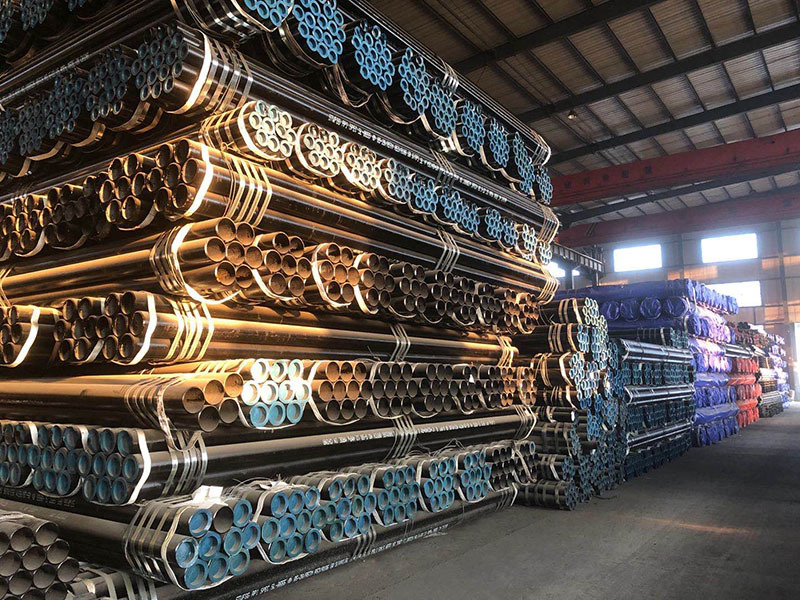
Oil line pipes are a crucial component in various construction and decoration projects, particularly in systems designed to transport oil or other fluids. Understanding the characteristics and applications of these pipes can significantly enhance their efficiency and reliability in your projects.
Oil line pipes are typically made from durable materials such as steel, PVC, or polyethylene, each offering unique advantages depending on the specific requirements of the application. Steel pipes, for instance, are known for their strength and resistance to high pressure, making them suitable for transporting crude oil and refined petroleum products. On the other hand, PVC pipes are lightweight and resistant to corrosion, making them ideal for installations in environments where chemical exposure is a concern.
The primary function of oil line pipes is to ensure the safe and efficient transport of oil from one location to another, whether that be from a storage facility to a processing plant or as part of an internal distribution system within a facility. This is particularly relevant in construction projects involving heating systems, where oil line pipes play a key role in fuel supply.
In terms of installation, proper handling and assembly of oil line pipes are essential to prevent leaks or ruptures that can lead to costly damage and safety hazards. It’s important to follow manufacturer guidelines and use appropriate fittings and seals to ensure a tight and secure connection. Regular maintenance checks are also recommended to identify any signs of wear or damage, ensuring the continued functionality of the pipe system.
When selecting oil line pipes for your project, consider factors such as the type of oil being transported, environmental conditions, and applicable regulations. This will help ensure compliance and safety standards are met, reducing the risk of operational disruptions.
In conclusion, oil line pipes are a vital element in the construction and decoration materials sector, particularly for projects involving fluid transportation. By understanding the various types of oil line pipes and their specific applications, you can make informed decisions that enhance the efficiency and safety of your pipeline systems. Regular maintenance and adherence to installation best practices will further ensure their longevity and reliability in your construction endeavors.
Oil line pipes are typically made from durable materials such as steel, PVC, or polyethylene, each offering unique advantages depending on the specific requirements of the application. Steel pipes, for instance, are known for their strength and resistance to high pressure, making them suitable for transporting crude oil and refined petroleum products. On the other hand, PVC pipes are lightweight and resistant to corrosion, making them ideal for installations in environments where chemical exposure is a concern.
The primary function of oil line pipes is to ensure the safe and efficient transport of oil from one location to another, whether that be from a storage facility to a processing plant or as part of an internal distribution system within a facility. This is particularly relevant in construction projects involving heating systems, where oil line pipes play a key role in fuel supply.
In terms of installation, proper handling and assembly of oil line pipes are essential to prevent leaks or ruptures that can lead to costly damage and safety hazards. It’s important to follow manufacturer guidelines and use appropriate fittings and seals to ensure a tight and secure connection. Regular maintenance checks are also recommended to identify any signs of wear or damage, ensuring the continued functionality of the pipe system.
When selecting oil line pipes for your project, consider factors such as the type of oil being transported, environmental conditions, and applicable regulations. This will help ensure compliance and safety standards are met, reducing the risk of operational disruptions.
In conclusion, oil line pipes are a vital element in the construction and decoration materials sector, particularly for projects involving fluid transportation. By understanding the various types of oil line pipes and their specific applications, you can make informed decisions that enhance the efficiency and safety of your pipeline systems. Regular maintenance and adherence to installation best practices will further ensure their longevity and reliability in your construction endeavors.
Key words:
PREVIOUS:


Contact
E-mail:
Add:
Hope New District, Mengcun Hui Autonomous County,
Cangzhou City, Hebei Province


PRODUCT SEARCH
Search And Quickly Find The Products You Need
The main products include oil pipeline pipes, oil casing and various specifications of GB/T8162 structural pipes, GB8/T163 fluid pipes, GB/T3087 low and medium pressure boiler pipes, G/TB5310 high pressure boiler pipes, GB/T6479 fertilizer special pipes, etc.