
How Oil Casing Pipes Are Tested for Quality Assurance: A Comprehensive Guide
How Oil Casing Pipes Are Tested for Quality Assurance
Introduction to Oil Casing Pipes
Oil casing pipes play a critical role in the oil and gas industry, providing structural integrity to wells and safeguarding against environmental hazards. Understanding how these pipes are tested for quality assurance is essential for manufacturers, engineers, and stakeholders. This article delves deep into th
Feb 09,2026

How Oil Casing Pipes Are Tested for Quality Assurance
Introduction to Oil Casing Pipes
Oil casing pipes play a critical role in the oil and gas industry, providing structural integrity to wells and safeguarding against environmental hazards. Understanding how these pipes are tested for quality assurance is essential for manufacturers, engineers, and stakeholders. This article delves deep into the processes and technologies utilized in the testing of oil casing pipes, ensuring they meet stringent industry standards.
The Importance of Quality Assurance in Oil Casing Pipes
Quality assurance is crucial in the production of oil casing pipes. Given the high stakes involved in oil extraction, any failure in the casing can lead to catastrophic outcomes, including environmental contamination and economic loss. Ensuring the quality of these pipes not only protects the investment but also helps maintain the integrity of the surrounding environment.
What are Oil Casing Pipes?
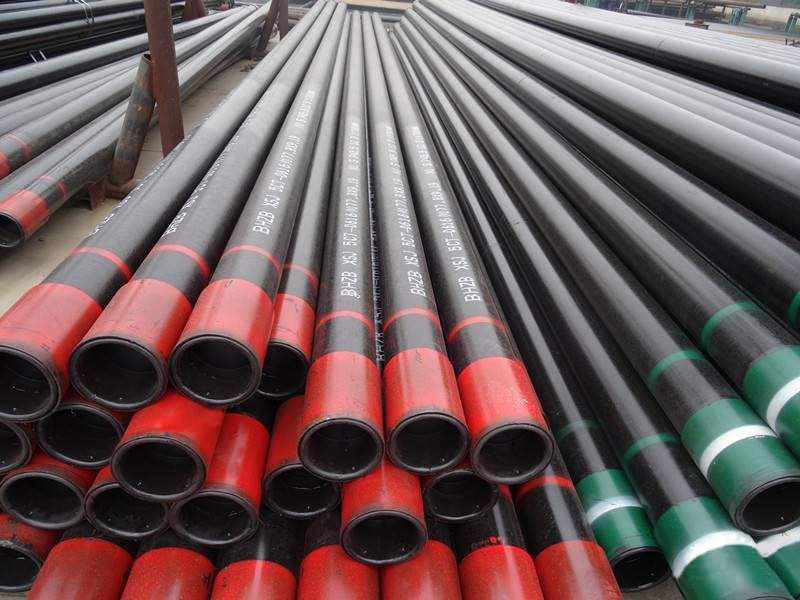
Oil casing pipes are tubular structures inserted into a drilled well to provide support and containment. They protect the wellbore from collapse and isolate different pressure zones. These pipes must be robust and reliable, capable of withstanding extreme pressures and corrosive environments.
Key Specifications of Oil Casing Pipes
When it comes to oil casing pipes, several specifications are critical, including:
- **Material Composition**: Most casing pipes are made from carbon steel or alloy steel, providing strength and resistance to corrosion.
- **Dimensions**: The diameter and wall thickness are tailored to specific well conditions and operational demands.
- **Pressure Rating**: Each casing type is rated for the maximum pressure it can withstand.
Testing Standards for Quality Assurance
Various international and industry-specific standards govern the testing of oil casing pipes. Familiarity with these standards is vital for manufacturers and testing facilities.
API Standards
The American Petroleum Institute (API) sets the benchmark for the quality and testing of oil casing pipes. Their specifications cover everything from manufacturing methods to testing protocols.
ISO Certifications
International Organization for Standardization (ISO) certifications ensure that manufacturers adhere to global quality management standards, further enhancing the reliability of oil casing pipes.
The Testing Process for Oil Casing Pipes
The testing of oil casing pipes involves a series of rigorous assessments designed to evaluate their structural integrity and performance under various conditions.
Visual Inspection
Before any advanced testing begins, a thorough visual inspection is conducted. This initial step involves checking for:
- Surface defects
- Irregularities in dimensions
- Signs of corrosion
Non-Destructive Testing (NDT)
Non-destructive testing methods are employed to examine the integrity of casing pipes without causing damage. Common NDT methods include:
Ultrasonic Testing (UT)
Ultrasonic testing utilizes high-frequency sound waves to detect internal flaws and measure wall thickness. This method is highly effective for identifying issues that are not visible on the surface.
Magnetic Particle Testing (MPT)
MPT is used to identify surface and near-surface defects in ferromagnetic materials. By applying a magnetic field and a ferrous powder, inspectors can easily spot imperfections.
Radiographic Testing (RT)
Radiographic testing involves exposing the pipes to X-rays or gamma rays to reveal internal structures and defects. This method provides a comprehensive view of the integrity of the material.
Destructive Testing Methods
In some cases, destructive testing is necessary to guarantee the performance of oil casing pipes under extreme conditions. The following methods are commonly employed:
Tensile Testing
Tensile testing measures the strength and ductility of the material. Samples are pulled until they fracture, providing crucial data on how the material will perform under tension.
Bend Test
The bend test assesses the flexibility and ductility of the casing pipe. By bending a sample to a specified angle, manufacturers can evaluate its capacity to withstand bending stresses in the field.
Documentation and Reporting
Once testing is completed, detailed documentation is essential. Reports should include:
- Testing methods used
- Results and interpretations
- Any deviations from standards
Proper documentation not only aids in quality assurance but also serves as a reference for future inspections and regulatory compliance.
Common Challenges in Testing Oil Casing Pipes
While the testing processes are thorough, various challenges can arise:
Material Variability
Differences in material quality can lead to inconsistent testing results. This variability necessitates stringent control measures during production.
Environmental Conditions
Testing environments must be carefully controlled to ensure accurate results. Factors like temperature and humidity can significantly impact testing outcomes.
Future Trends in Oil Casing Pipe Testing
As technology evolves, so do the methods used for testing oil casing pipes. Emerging trends include:
Automated Testing Systems
Automation in testing processes is becoming more prevalent, improving efficiency and accuracy while reducing human error.
Advanced Non-Destructive Testing Technologies
Innovations in NDT technologies, such as digital radiography and phased array ultrasonic testing, promise enhanced detection capabilities for hidden flaws.
FAQs about Oil Casing Pipe Testing
1. What is the purpose of oil casing pipes?
Oil casing pipes provide structural support to wells, prevent collapses, and isolate different pressure zones to ensure safe oil extraction.
2. What are some common standards for testing oil casing pipes?
Key standards include those set by the American Petroleum Institute (API) and International Organization for Standardization (ISO).
3. What is non-destructive testing (NDT)?
NDT refers to a range of testing methods that evaluate material properties without causing damage, ensuring both safety and compliance with industry standards.
4. How often should oil casing pipes be tested?
Testing frequency can depend on various factors, including regulatory requirements, operational conditions, and the specific pipe's usage history.
5. Can oil casing pipes be repaired after testing?
In some cases, minor defects can be repaired, but significant issues typically necessitate replacement to ensure safety and compliance.
Conclusion
The quality assurance testing of oil casing pipes is an intricate and essential process that helps safeguard the oil and gas industry from potential failures. By implementing stringent testing standards and utilizing advanced technologies, manufacturers can ensure the reliability and safety of these critical components. Continuous improvements in testing methodologies will further enhance the performance and integrity of oil casing pipes, supporting the industry's evolution and commitment to safety and environmental responsibility.
Key words:

Contact
E-mail:
Add:
Hope New District, Mengcun Hui Autonomous County,
Cangzhou City, Hebei Province


PRODUCT SEARCH
Search And Quickly Find The Products You Need
The main products include oil pipeline pipes, oil casing and various specifications of GB/T8162 structural pipes, GB8/T163 fluid pipes, GB/T3087 low and medium pressure boiler pipes, G/TB5310 high pressure boiler pipes, GB/T6479 fertilizer special pipes, etc.