
Understanding Oil Tubing Pipes: Key Insights for Construction Professionals
---
Oil tubing pipes play a crucial role in various industrial applications, particularly within the construction and decoration materials sector. They are primarily used in the transportation of oil, gas, and other fluids, making them an integral part of many construction projects. Understanding the specifications, materials, and applications of oil tubing pipes can significantly benefit professi
Jan 29,2026

---
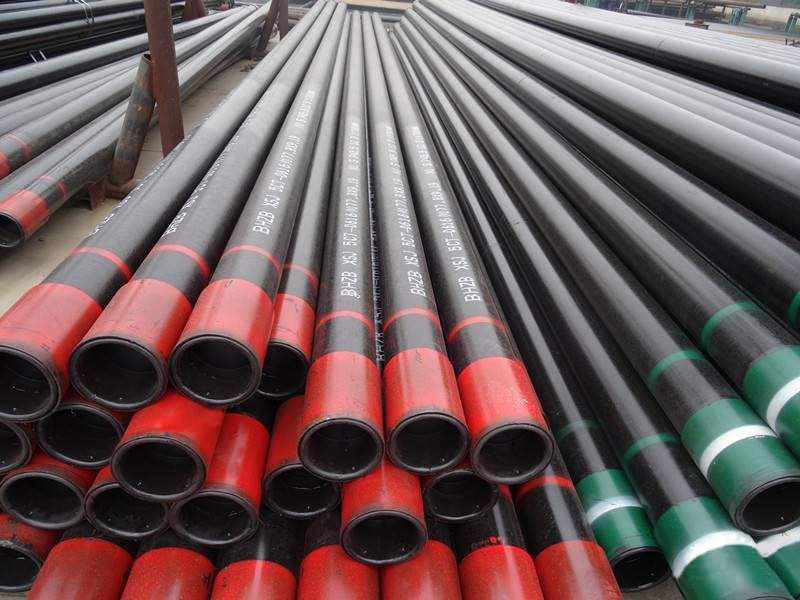
Oil tubing pipes play a crucial role in various industrial applications, particularly within the construction and decoration materials sector. They are primarily used in the transportation of oil, gas, and other fluids, making them an integral part of many construction projects. Understanding the specifications, materials, and applications of oil tubing pipes can significantly benefit professionals in the field.
Oil tubing pipes are designed for high-pressure environments, ensuring the safe and efficient transport of hydrocarbons from the wellhead to processing facilities. Typically made from steel, these pipes are engineered to withstand extreme conditions, including high temperatures and aggressive chemicals. The manufacturing process involves rigorous quality control measures to ensure that the pipes meet the required industry standards.
One of the key characteristics of oil tubing pipes is their ability to resist corrosion. Given that the fluids transported can be highly corrosive, manufacturers often apply specific coatings or utilize alloy materials to enhance durability. This property is vital for maintaining the integrity of the piping system over time, reducing the risk of leaks and failures that can lead to costly downtime and environmental hazards.
In terms of applications, oil tubing pipes are not only used in oil extraction but also find their place in various other industries, including construction and infrastructure development. They can be utilized in geothermal energy projects, hydraulic fracturing, and even in some water transportation systems. The versatility of these pipes makes them an essential component for professionals working in diverse sectors.
When selecting oil tubing pipes for a project, professionals should consider factors such as the pipe's diameter, wall thickness, and length, all of which can impact the overall performance of the system. Additionally, understanding the specific requirements of the project, including the type of fluid being transported and the environmental conditions, is crucial for making informed decisions.
Installation and maintenance of oil tubing pipes also require specialized knowledge. Proper installation techniques are essential to ensure that the pipes function correctly and safely. Furthermore, regular inspections and maintenance practices can help identify potential issues before they escalate, ensuring the longevity and reliability of the piping system.
In conclusion, oil tubing pipes are a vital component in various applications, particularly for professionals involved in construction and decoration materials. By understanding their properties, applications, and installation requirements, industry professionals can make more informed choices that enhance the safety and efficiency of their projects. As the industry continues to evolve, staying informed about the latest advancements in oil tubing technology will be essential for maintaining competitive advantage and ensuring project success.
Oil tubing pipes play a crucial role in various industrial applications, particularly within the construction and decoration materials sector. They are primarily used in the transportation of oil, gas, and other fluids, making them an integral part of many construction projects. Understanding the specifications, materials, and applications of oil tubing pipes can significantly benefit professionals in the field.
Oil tubing pipes are designed for high-pressure environments, ensuring the safe and efficient transport of hydrocarbons from the wellhead to processing facilities. Typically made from steel, these pipes are engineered to withstand extreme conditions, including high temperatures and aggressive chemicals. The manufacturing process involves rigorous quality control measures to ensure that the pipes meet the required industry standards.
One of the key characteristics of oil tubing pipes is their ability to resist corrosion. Given that the fluids transported can be highly corrosive, manufacturers often apply specific coatings or utilize alloy materials to enhance durability. This property is vital for maintaining the integrity of the piping system over time, reducing the risk of leaks and failures that can lead to costly downtime and environmental hazards.
In terms of applications, oil tubing pipes are not only used in oil extraction but also find their place in various other industries, including construction and infrastructure development. They can be utilized in geothermal energy projects, hydraulic fracturing, and even in some water transportation systems. The versatility of these pipes makes them an essential component for professionals working in diverse sectors.
When selecting oil tubing pipes for a project, professionals should consider factors such as the pipe's diameter, wall thickness, and length, all of which can impact the overall performance of the system. Additionally, understanding the specific requirements of the project, including the type of fluid being transported and the environmental conditions, is crucial for making informed decisions.
Installation and maintenance of oil tubing pipes also require specialized knowledge. Proper installation techniques are essential to ensure that the pipes function correctly and safely. Furthermore, regular inspections and maintenance practices can help identify potential issues before they escalate, ensuring the longevity and reliability of the piping system.
In conclusion, oil tubing pipes are a vital component in various applications, particularly for professionals involved in construction and decoration materials. By understanding their properties, applications, and installation requirements, industry professionals can make more informed choices that enhance the safety and efficiency of their projects. As the industry continues to evolve, staying informed about the latest advancements in oil tubing technology will be essential for maintaining competitive advantage and ensuring project success.
Key words:


Contact
E-mail:
Add:
Hope New District, Mengcun Hui Autonomous County,
Cangzhou City, Hebei Province


PRODUCT SEARCH
Search And Quickly Find The Products You Need
The main products include oil pipeline pipes, oil casing and various specifications of GB/T8162 structural pipes, GB8/T163 fluid pipes, GB/T3087 low and medium pressure boiler pipes, G/TB5310 high pressure boiler pipes, GB/T6479 fertilizer special pipes, etc.