
Why Steel Line Pipe is Essential for Modern Pipe Systems
Why Steel Line Pipe is Essential for Modern Pipe Systems
Table of Contents
1. Introduction to Steel Line Pipes
2. Understanding Steel Line Pipes
3. Advantages of Steel Line Pipes
3.1 Durability and Strength
3.2 Corrosion Resistance
3.3 Versatility in Applications
4. Applications and Industries Using Steel Line Pipes
Jan 24,2026

Why Steel Line Pipe is Essential for Modern Pipe Systems
Table of Contents
- 1. Introduction to Steel Line Pipes
- 2. Understanding Steel Line Pipes
- 3. Advantages of Steel Line Pipes
- 4. Applications and Industries Using Steel Line Pipes
- 5. Installation and Maintenance of Steel Line Pipes
- 6. Environmental Considerations
- 7. The Future of Steel Line Pipes
- 8. Conclusion
- 9. Frequently Asked Questions (FAQs)
1. Introduction to Steel Line Pipes
In the realm of modern construction and infrastructure, the **importance of reliable piping systems** cannot be overstated. Steel line pipes have emerged as a cornerstone in the fabrication of these systems due to their exceptional properties and versatility. From transporting oil and gas to supplying potable water, steel line pipes play a pivotal role in ensuring the efficient delivery of critical resources. This article delves into the myriad reasons why steel line pipes are indispensable for modern piping systems.
2. Understanding Steel Line Pipes
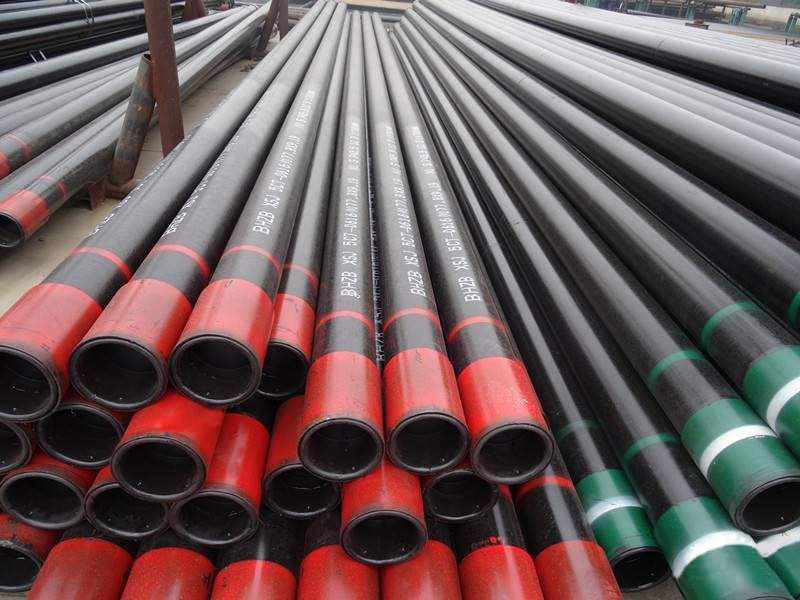
Steel line pipes are primarily used for the transportation of liquids and gases. Constructed from various grades of steel, they are designed to withstand high pressure and extreme conditions. These pipes are manufactured in a range of sizes and types, making them suitable for diverse applications. Understanding the specifications and classifications of steel line pipes is essential for selecting the right pipe for a given project.
3.1 Durability and Strength
One of the most significant advantages of steel line pipes is their **durability**. They are designed to endure harsh environmental conditions, heavy loads, and high-pressure situations. This robustness ensures that they have a longer lifespan compared to other materials such as plastic or concrete. Steel line pipes are less likely to bend or deform under pressure, making them ideal for demanding applications.
3.2 Corrosion Resistance
Corrosion is a primary concern in piping systems, especially in the case of oil, gas, and water transport. Steel line pipes offer a high level of **corrosion resistance**, particularly when treated with protective coatings. Galvanization and the application of epoxy are common methods used to enhance the resistance of steel pipes to corrosive substances, ensuring they maintain integrity over time.
3.3 Versatility in Applications
Steel line pipes are incredibly versatile, making them suitable for numerous applications across various industries. Their ability to handle different temperatures, pressures, and fluid types makes them a preferred choice for engineers and contractors. Whether it’s for **hydraulic systems**, **fire protection**, or **waste management**, steel line pipes can adapt to meet specific project requirements.
4. Applications and Industries Using Steel Line Pipes
The applications of steel line pipes are vast and varied. Below, we explore some of the primary industries that utilize these robust materials.
4.1 Oil and Gas Industry
In the oil and gas sector, steel line pipes are essential for the transportation of petroleum products. They are used in **refineries**, **pipelines**, and **distribution systems**. Their ability to withstand high pressures and resist corrosion from various hydrocarbon products makes them a reliable choice in this industry.
4.2 Water Supply and Treatment
Steel line pipes are widely used in municipal water supply systems. They provide a durable solution for the transport of drinking water and wastewater. Their resistance to wear and ability to handle temperature fluctuations make them ideal for both domestic and industrial water systems.
4.3 Construction and Infrastructure
In construction, steel line pipes are used in various applications, including structural frameworks, plumbing, and heating systems. Their strength and adaptability allow for innovative designs and effective resource management within buildings and infrastructure projects.
5. Installation and Maintenance of Steel Line Pipes
Proper installation and maintenance are crucial for the longevity and efficiency of steel line pipes. Knowledge of best practices can significantly reduce the risk of leaks and failures.
5.1 Installation Process
The installation of steel line pipes involves several steps, including **site preparation**, **trenching**, and **placement**. It is essential to follow industry standards and regulations to ensure that the pipes are installed correctly. Proper alignment and securing of joints are critical to prevent leaks and ensure the durability of the system.
5.2 Maintenance Practices
Regular maintenance is vital for the longevity of steel line pipes. Inspecting for signs of corrosion, damage, or wear can help identify potential issues before they become major problems. Implementing routine cleaning and protective coatings can further enhance the durability and functionality of these pipes.
6. Environmental Considerations
The environmental impact of materials used in construction and infrastructure is a significant consideration in today’s industry. Steel line pipes are often recyclable, which contributes to sustainability efforts. Additionally, their long lifespan and durability reduce the need for frequent replacements, thereby minimizing waste.
7. The Future of Steel Line Pipes
As technology advances, so do the materials and methods used in the production of steel line pipes. Future developments may include enhanced coatings to improve corrosion resistance and innovations in manufacturing processes that promote sustainability. The ongoing demand for robust and reliable piping solutions ensures that steel line pipes will remain a vital component of modern infrastructure.
8. Conclusion
In conclusion, steel line pipes are essential for modern pipe systems due to their **durability**, **corrosion resistance**, and **versatility**. Their applications span various industries, including oil and gas, water supply, and construction. By understanding the benefits and proper maintenance practices of steel line pipes, stakeholders can ensure the efficiency and longevity of their piping systems. As we look ahead, the innovations in this field promise to further enhance the role of steel line pipes in building a sustainable and reliable infrastructure.
9. Frequently Asked Questions (FAQs)
What are steel line pipes made from?
Steel line pipes are typically made from carbon steel or alloy steel, which provides them with strength and resistance to high pressure.
How long do steel line pipes last?
With proper installation and maintenance, steel line pipes can last for several decades, often exceeding 50 years.
Can steel line pipes be used for both hot and cold fluids?
Yes, steel line pipes are versatile and can handle both hot and cold fluids, making them suitable for a wide range of applications.
Are there different types of steel line pipes?
Yes, there are various types of steel line pipes, including seamless, welded, and spiral-welded pipes, each designed for specific applications and conditions.
How do I maintain steel line pipes?
Regular inspections, cleaning, and applying protective coatings are essential maintenance practices to ensure the integrity and longevity of steel line pipes.
Key words:

Contact
E-mail:
Add:
Hope New District, Mengcun Hui Autonomous County,
Cangzhou City, Hebei Province


PRODUCT SEARCH
Search And Quickly Find The Products You Need
The main products include oil pipeline pipes, oil casing and various specifications of GB/T8162 structural pipes, GB8/T163 fluid pipes, GB/T3087 low and medium pressure boiler pipes, G/TB5310 high pressure boiler pipes, GB/T6479 fertilizer special pipes, etc.