
Understanding Oil Line Pipes: Essential Components for Efficient Fluid Transport
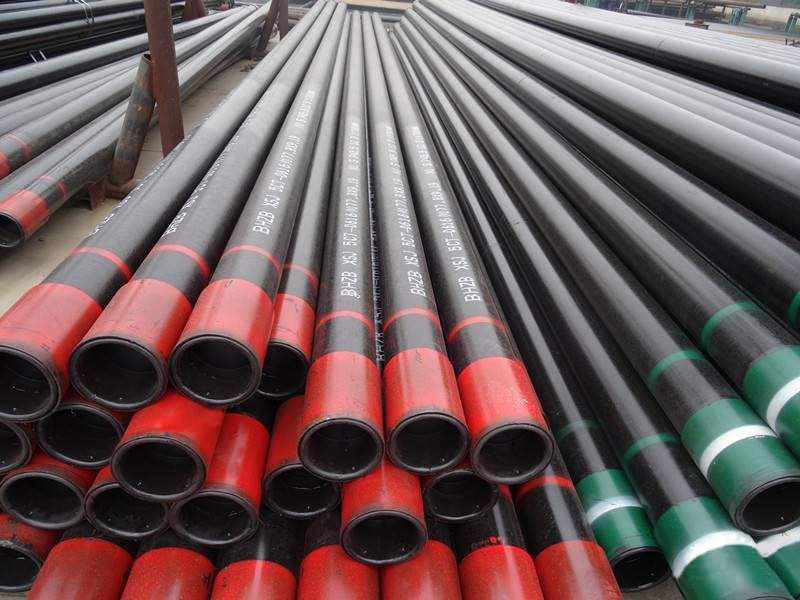
Oil line pipes are crucial components in a wide range of industries, particularly in the construction and decoration materials sector. These pipes are designed specifically for the transport of oil and other viscous fluids, ensuring that they can efficiently carry materials from one point to another. Understanding the characteristics and applications of oil line pipes can significantly enhance pro
Jan 23,2026

Oil line pipes are crucial components in a wide range of industries, particularly in the construction and decoration materials sector. These pipes are designed specifically for the transport of oil and other viscous fluids, ensuring that they can efficiently carry materials from one point to another. Understanding the characteristics and applications of oil line pipes can significantly enhance project efficiency and safety.
Typically, oil line pipes are made from materials that offer excellent resistance to corrosion and pressure, such as stainless steel, carbon steel, and certain polymers. The choice of material is critical as it affects the durability and lifespan of the system. For instance, stainless steel is often favored for its corrosion resistance, making it suitable for harsh environments where oil degradation could occur.
One of the key advantages of using oil line pipes is their ability to maintain the integrity of the fluid being transported. Unlike other piping materials, these pipes are designed to minimize leaks and prevent contamination, which is vital in maintaining the quality of the oil. This is particularly important in construction projects where the transferred oil may be used for heating or other critical applications.
When considering the installation of oil line pipes, several factors must be accounted for, including diameter, thickness, and pressure ratings. These variables ensure that the pipes can handle the expected flow rates and operational pressures without risk of failure. Additionally, proper installation techniques are essential to avoid issues such as joint leaks or pipe fractures, which can lead to costly repairs and safety hazards.
Furthermore, the layout of oil line piping systems plays a significant role in overall effectiveness. Proper planning is required to minimize bends and turns that could impede flow. Straight runs are preferable, and the use of appropriate fittings can ensure that the system remains efficient.
Maintenance is another critical aspect of oil line pipes. Regular inspections can help identify potential issues before they escalate. It is advisable to check for signs of wear, corrosion, or blockages and to follow best practices for cleaning and servicing the pipes to prolong their operational life.
In conclusion, oil line pipes are integral to various pipeline systems in the construction and decoration materials industry. By selecting the right materials, ensuring proper installation, and maintaining the system effectively, professionals can enhance the reliability and efficiency of oil transport in their projects. Understanding these elements will ultimately contribute to the successful execution of construction initiatives and the longevity of the materials used.
Typically, oil line pipes are made from materials that offer excellent resistance to corrosion and pressure, such as stainless steel, carbon steel, and certain polymers. The choice of material is critical as it affects the durability and lifespan of the system. For instance, stainless steel is often favored for its corrosion resistance, making it suitable for harsh environments where oil degradation could occur.
One of the key advantages of using oil line pipes is their ability to maintain the integrity of the fluid being transported. Unlike other piping materials, these pipes are designed to minimize leaks and prevent contamination, which is vital in maintaining the quality of the oil. This is particularly important in construction projects where the transferred oil may be used for heating or other critical applications.
When considering the installation of oil line pipes, several factors must be accounted for, including diameter, thickness, and pressure ratings. These variables ensure that the pipes can handle the expected flow rates and operational pressures without risk of failure. Additionally, proper installation techniques are essential to avoid issues such as joint leaks or pipe fractures, which can lead to costly repairs and safety hazards.
Furthermore, the layout of oil line piping systems plays a significant role in overall effectiveness. Proper planning is required to minimize bends and turns that could impede flow. Straight runs are preferable, and the use of appropriate fittings can ensure that the system remains efficient.
Maintenance is another critical aspect of oil line pipes. Regular inspections can help identify potential issues before they escalate. It is advisable to check for signs of wear, corrosion, or blockages and to follow best practices for cleaning and servicing the pipes to prolong their operational life.
In conclusion, oil line pipes are integral to various pipeline systems in the construction and decoration materials industry. By selecting the right materials, ensuring proper installation, and maintaining the system effectively, professionals can enhance the reliability and efficiency of oil transport in their projects. Understanding these elements will ultimately contribute to the successful execution of construction initiatives and the longevity of the materials used.
Key words:


Contact
E-mail:
Add:
Hope New District, Mengcun Hui Autonomous County,
Cangzhou City, Hebei Province


PRODUCT SEARCH
Search And Quickly Find The Products You Need
The main products include oil pipeline pipes, oil casing and various specifications of GB/T8162 structural pipes, GB8/T163 fluid pipes, GB/T3087 low and medium pressure boiler pipes, G/TB5310 high pressure boiler pipes, GB/T6479 fertilizer special pipes, etc.