
How Seamless Pipes Revolutionize Oil Pipeline Infrastructure
How Seamless Pipes Revolutionize Oil Pipeline Infrastructure
Table of Contents
1. Introduction to Seamless Pipes and Oil Pipeline Infrastructure
2. Historical Background of Oil Pipelines
3. What Are Seamless Pipes?
3.1 Manufacturing Process of Seamless Pipes
3.2 Comparison: Seamless vs. Welded Pipes
4. Advantages of Seamless Pipes in Oil Transport
4.1 Enhanced Durability and Streng
Jan 22,2026

How Seamless Pipes Revolutionize Oil Pipeline Infrastructure
Table of Contents
1. Introduction to Seamless Pipes and Oil Pipeline Infrastructure
2. Historical Background of Oil Pipelines
3. What Are Seamless Pipes?
3.1 Manufacturing Process of Seamless Pipes
3.2 Comparison: Seamless vs. Welded Pipes
4. Advantages of Seamless Pipes in Oil Transport
4.1 Enhanced Durability and Strength
4.2 Improved Flow Efficiency
4.3 Reduction in Maintenance Costs
4.4 Safety and Environmental Considerations
5. Innovations in Seamless Pipe Technology
5.1 Advances in Materials Science
5.2 Corrosion Resistance and Longevity
6. Real-World Applications of Seamless Pipes
6.1 Case Studies in Major Oil Transportation Projects
6.2 Future Trends in Oil Pipeline Infrastructure
7. Challenges and Limitations of Seamless Pipes
7.1 Cost Considerations
7.2 Technology Adoption Barriers
8. Conclusion
9. FAQs
1. Introduction to Seamless Pipes and Oil Pipeline Infrastructure
The oil and gas industry stands at the forefront of global energy needs, with an ever-growing demand for efficient and reliable transportation methods. **Seamless pipes** have emerged as a revolutionary solution for oil pipeline infrastructure, offering numerous advantages over traditional welded pipes. As we delve into the intricacies of seamless pipes, we will explore their manufacturing processes, benefits, and real-world applications in revolutionizing oil transport systems.
2. Historical Background of Oil Pipelines
The history of oil pipelines dates back to the mid-19th century, when crude oil began to be transported via pipelines instead of railways or horse-drawn wagons. Over the decades, advancements in technology and materials have led to the evolution of pipeline infrastructure, with seamless pipes representing the latest innovation. Understanding this historical context is crucial, as it highlights the ongoing quest for efficiency and safety in oil transport.
3. What Are Seamless Pipes?
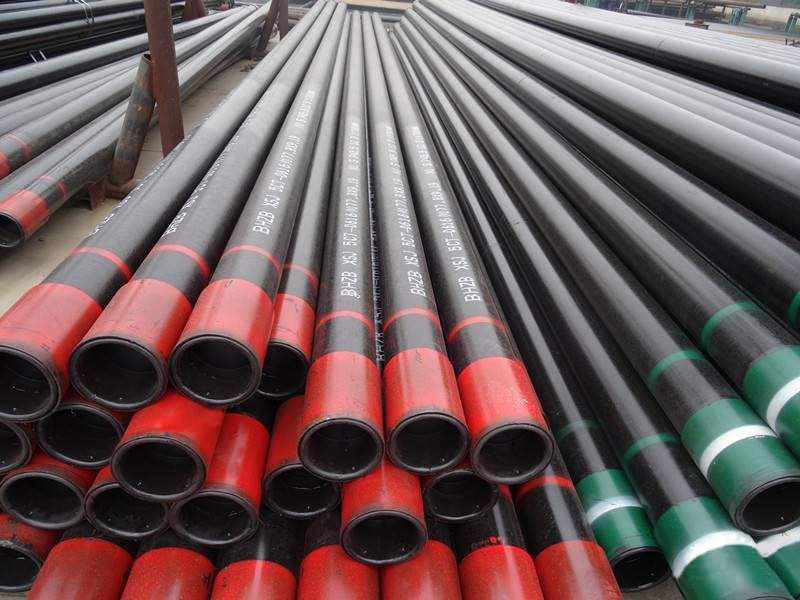
Seamless pipes are cylindrical tubes made from solid round billets, which are heated and pushed or pulled through a die to create the desired shape without any welding seams. This manufacturing process results in pipes that are stronger and more reliable than their welded counterparts.
3.1 Manufacturing Process of Seamless Pipes
The manufacturing of seamless pipes involves several key processes, including heating, piercing, elongating, and finishing. These steps ensure that the final product is devoid of seams or joints, which can often be points of weakness. The rigorous quality controls during production guarantee that seamless pipes meet industry standards for durability and performance.
3.2 Comparison: Seamless vs. Welded Pipes
While both seamless and welded pipes serve similar purposes, there are distinct differences. **Seamless pipes** offer superior strength, flexibility, and resistance to pressure, making them ideal for high-stress applications such as oil transportation. In contrast, welded pipes are more prone to defects at the seams, which can lead to failures and leaks.
4. Advantages of Seamless Pipes in Oil Transport
The advantages of seamless pipes in the oil industry are manifold, contributing significantly to operational efficiency and safety.
4.1 Enhanced Durability and Strength
Seamless pipes exhibit exceptional strength due to their continuous structure. This durability makes them ideal for the harsh environments often encountered in oil transportation, such as extreme temperatures and pressures.
4.2 Improved Flow Efficiency
The absence of seams in seamless pipes ensures a smoother interior surface, which enhances fluid flow. This improvement can lead to reduced pumping costs and increased overall efficiency in oil transport systems.
4.3 Reduction in Maintenance Costs
The robust nature of seamless pipes means they are less likely to develop leaks or failures, significantly lowering maintenance costs and downtime. This reliability is crucial for companies looking to maximize productivity and minimize operational interruptions.
4.4 Safety and Environmental Considerations
Safety is a top priority in the oil industry, and seamless pipes contribute to safer operations by reducing the likelihood of catastrophic failures. Additionally, their reduced risk of leaks helps to protect the environment from potential oil spills, aligning with today's sustainability goals.
5. Innovations in Seamless Pipe Technology
As the oil industry continues to evolve, so too does the technology behind seamless pipes.
5.1 Advances in Materials Science
Recent developments in materials science have led to the creation of high-strength, lightweight alloys specifically designed for seamless pipes. These innovations enhance performance and durability, allowing for the transport of oil over longer distances without compromising safety.
5.2 Corrosion Resistance and Longevity
Modern seamless pipes often incorporate advanced corrosion-resistant coatings or are made from materials that naturally resist corrosion. This resistance extends the lifespan of the pipes, making them a cost-effective solution for long-term oil transport.
6. Real-World Applications of Seamless Pipes
Seamless pipes are already making significant contributions to oil pipeline infrastructure around the globe.
6.1 Case Studies in Major Oil Transportation Projects
Several major oil transportation projects have successfully integrated seamless pipes into their infrastructure. For example, the **Keystone Pipeline** project utilized seamless pipes to enhance safety and efficiency in transporting crude oil across North America.
6.2 Future Trends in Oil Pipeline Infrastructure
As technology continues to advance, we expect to see even greater integration of seamless pipes into oil pipeline systems. Innovations such as smart pipelines equipped with sensors for real-time monitoring will help further optimize the efficiency and safety of oil transport.
7. Challenges and Limitations of Seamless Pipes
Despite their numerous advantages, seamless pipes are not without challenges.
7.1 Cost Considerations
The manufacturing process of seamless pipes is often more expensive than that of welded pipes, which can deter some companies from making the switch. However, the long-term savings in maintenance and operational efficiency typically justify the initial investment.
7.2 Technology Adoption Barriers
Many companies may be hesitant to adopt new technologies due to existing infrastructure or a lack of knowledge. Overcoming these barriers is essential for the widespread implementation of seamless pipes in oil pipeline infrastructure.
8. Conclusion
Seamless pipes represent a significant advancement in the world of oil pipeline infrastructure, offering enhanced durability, efficiency, and safety. As the energy industry continues to grow, the adoption of seamless pipes will likely play a crucial role in the evolution of oil transportation. The benefits they offer not only improve operational performance but also contribute to environmental sustainability, making them a vital component of the future of energy infrastructure.
9. FAQs
1. What are the main advantages of seamless pipes compared to welded pipes?
Seamless pipes offer superior strength, durability, and flow efficiency, reducing the likelihood of leaks and failures compared to welded pipes.
2. Are seamless pipes more expensive to produce?
Yes, the manufacturing process for seamless pipes is typically more expensive, but the long-term benefits often justify the initial costs.
3. How do seamless pipes contribute to environmental safety?
Seamless pipes minimize the risk of leaks, helping to protect the environment from oil spills and contributing to safer operations.
4. What advancements are being made in seamless pipe technology?
Recent innovations include the development of high-strength alloys and corrosion-resistant coatings, enhancing the performance and longevity of seamless pipes.
5. Are seamless pipes suitable for all types of oil transportation?
While seamless pipes are ideal for high-pressure and high-temperature applications, the specific choice of pipe often depends on the requirements of the transport system and the type of oil being moved.
Key words:


Contact
E-mail:
Add:
Hope New District, Mengcun Hui Autonomous County,
Cangzhou City, Hebei Province


PRODUCT SEARCH
Search And Quickly Find The Products You Need
The main products include oil pipeline pipes, oil casing and various specifications of GB/T8162 structural pipes, GB8/T163 fluid pipes, GB/T3087 low and medium pressure boiler pipes, G/TB5310 high pressure boiler pipes, GB/T6479 fertilizer special pipes, etc.