
Guidelines for Maintaining Your Oil Casing Pipes Effectively
Guidelines for Maintaining Your Oil Casing Pipes Effectively
Table of Contents
1. Introduction to Oil Casing Pipes
2. Importance of Maintenance for Oil Casing Pipes
3. Understanding Common Issues with Oil Casing Pipes
3.1 Corrosion and Its Impact
3.2 Mechanical Failures: Causes and Effects
4. Effective Maintenance Strategies
4.1 Regular Inspections
4.2 Cleaning and Rehabilitation
4.3 Pressure Test
Jan 30,2026

Guidelines for Maintaining Your Oil Casing Pipes Effectively
Table of Contents
1. Introduction to Oil Casing Pipes
2. Importance of Maintenance for Oil Casing Pipes
3. Understanding Common Issues with Oil Casing Pipes
3.1 Corrosion and Its Impact
3.2 Mechanical Failures: Causes and Effects
4. Effective Maintenance Strategies
4.1 Regular Inspections
4.2 Cleaning and Rehabilitation
4.3 Pressure Testing Procedures
5. Using Advanced Technologies for Maintenance
6. Safety Measures and Best Practices
7. Frequently Asked Questions (FAQs)
8. Conclusion
1. Introduction to Oil Casing Pipes
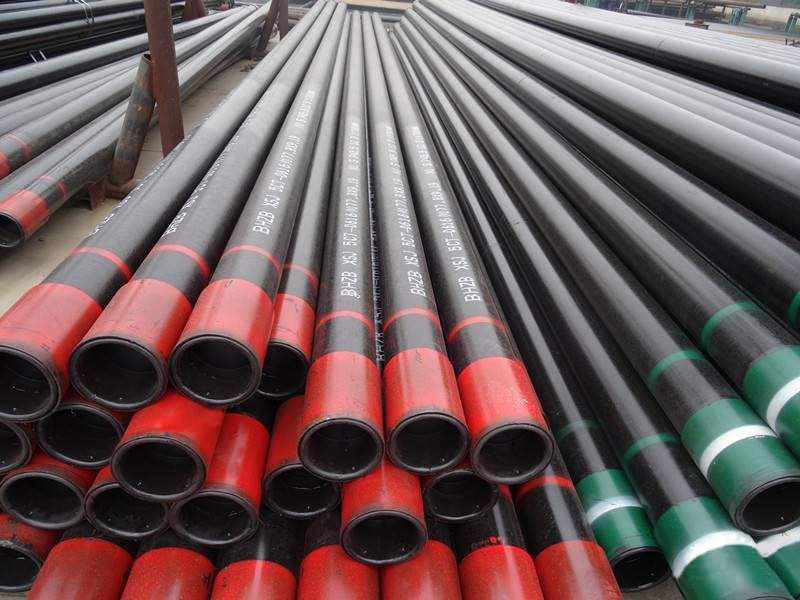
Oil casing pipes play a crucial role in the oil and gas industry. These pipes are essential for ensuring the integrity of oil wells by providing structural support and preventing the invasion of unwanted fluids. Their proper maintenance is critical for operational efficiency and environmental safety.
2. Importance of Maintenance for Oil Casing Pipes
Regular maintenance of oil casing pipes is not just a recommendation; it's a necessity. Well-maintained pipes reduce the risk of leaks and failures, ensuring a safe working environment. Additionally, proactive maintenance can extend the life of the casing, ultimately saving costs associated with repairs and replacements.
3. Understanding Common Issues with Oil Casing Pipes
To effectively maintain oil casing pipes, it is essential to understand the common issues that can arise. This knowledge allows for timely interventions and better maintenance practices.
3.1 Corrosion and Its Impact
Corrosion is one of the most significant threats to oil casing pipes. It can occur due to environmental factors, chemical reactions, or even microbial activities. The effects of corrosion can lead to thinning of the pipe walls, resulting in leaks and potentially catastrophic failures.
3.2 Mechanical Failures: Causes and Effects
Mechanical failures can result from improper installation, excessive pressure, or poor material quality. Such failures can lead to sudden and dangerous pipe ruptures, emphasizing the need for thorough inspection and maintenance.
4. Effective Maintenance Strategies
Implementing effective maintenance strategies is vital for the longevity of oil casing pipes. Below are some of the best practices for ensuring the integrity of your piping systems.
4.1 Regular Inspections
Conducting regular inspections is fundamental to identifying potential issues early. Inspections should include visual assessments, thickness measurements, and advanced non-destructive testing methods. By routinely checking for signs of wear and tear, operators can mitigate risks proactively.
4.2 Cleaning and Rehabilitation
Cleaning oil casing pipes prevents the accumulation of debris and contaminants that can accelerate corrosion. Various techniques, including chemical cleaning and hydro-blasting, can be employed depending on the type of contaminants. Rehabilitation methods, such as lining or coating, can also significantly extend the life of the pipes.
4.3 Pressure Testing Procedures
Pressure testing is crucial in determining the integrity of oil casing pipes. This process involves subjecting the pipes to a specified pressure to ensure they can withstand operational conditions without leaking. Regular pressure testing helps identify weaknesses before they lead to significant failures.
5. Using Advanced Technologies for Maintenance
Incorporating advanced technologies can enhance the effectiveness of maintenance strategies. Technologies such as smart sensors and real-time monitoring systems enable operators to track the condition of their piping systems continuously. These innovations can provide valuable data, allowing for data-driven maintenance decisions.
6. Safety Measures and Best Practices
Safety should always be a priority when maintaining oil casing pipes. Implementing best practices, such as proper training for personnel, using appropriate protective equipment, and adhering to industry regulations, can significantly reduce the risk of accidents.
7. Frequently Asked Questions (FAQs)
Q1: What are the signs that my oil casing pipes need maintenance?
A1: Common signs include visible corrosion, leaks, unusual pressure drops, and any changes in fluid flow patterns. Regular inspections are key to identifying these issues early.
Q2: How often should oil casing pipes be inspected?
A2: Inspections should occur at least annually, though more frequent checks are advisable in harsh environments or areas with a history of failures.
Q3: What cleaning methods are most effective for oil casing pipes?
A3: Chemical cleaning and hydro-blasting are among the most effective methods. The choice of method depends on the type of contaminants and the condition of the pipes.
Q4: How can I tell if my pipes need to be pressure tested?
A4: Regular intervals based on usage, environmental conditions, or following any major repairs or modifications are good indicators for when to conduct pressure testing.
Q5: Are there any new technologies for monitoring oil casing conditions?
A5: Yes, technologies such as IoT sensors and machine learning analytics are becoming increasingly common, providing real-time insights into the condition of oil casing pipes.
8. Conclusion
Maintaining oil casing pipes effectively is essential for operational efficiency and safety in the oil and gas industry. By understanding common issues, implementing robust maintenance strategies, and leveraging advanced technologies, operators can significantly reduce risks and prolong the life of their piping systems. Proactive maintenance not only ensures compliance with safety regulations but also fosters a sustainable operational environment. Prioritize your oil casing pipe maintenance today for a safer and more efficient tomorrow.
Key words:

Contact
E-mail:
Add:
Hope New District, Mengcun Hui Autonomous County,
Cangzhou City, Hebei Province


PRODUCT SEARCH
Search And Quickly Find The Products You Need
The main products include oil pipeline pipes, oil casing and various specifications of GB/T8162 structural pipes, GB8/T163 fluid pipes, GB/T3087 low and medium pressure boiler pipes, G/TB5310 high pressure boiler pipes, GB/T6479 fertilizer special pipes, etc.