
The Comprehensive Cost-Benefit Analysis of Quality Oil Casing Pipes
The Comprehensive Cost-Benefit Analysis of Quality Oil Casing Pipes
Introduction to Oil Casing Pipes
Oil casing pipes play a pivotal role in the oil and gas industry. They provide structural integrity to wells, preventing the collapse of boreholes and ensuring safe extraction of resources. With the increasing complexity of drilling operations, understanding the cost-benefit dynamics of using quali
Jan 16,2026
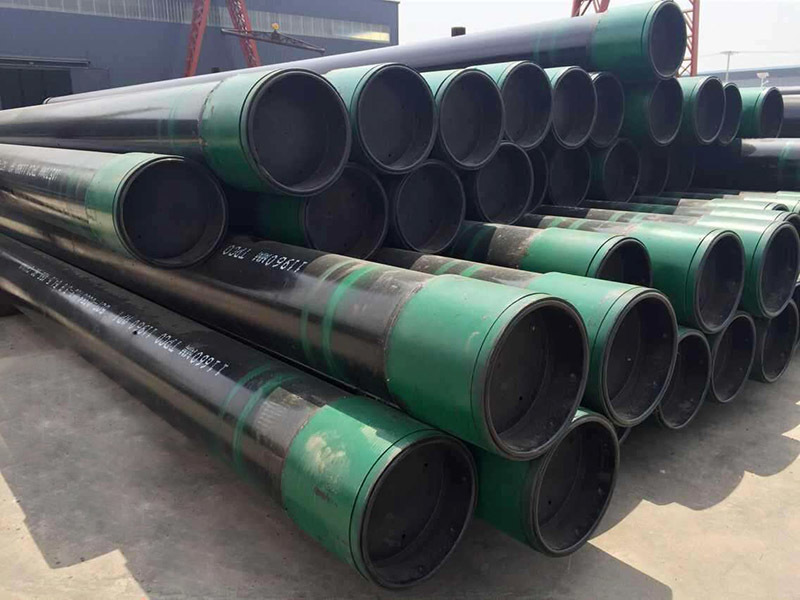
The Comprehensive Cost-Benefit Analysis of Quality Oil Casing Pipes
Introduction to Oil Casing Pipes
Oil casing pipes play a pivotal role in the oil and gas industry. They provide structural integrity to wells, preventing the collapse of boreholes and ensuring safe extraction of resources. With the increasing complexity of drilling operations, understanding the cost-benefit dynamics of using quality oil casing pipes is essential for operators aiming to maximize efficiency and minimize risks.
Understanding the Importance of Quality Oil Casing Pipes
Quality oil casing pipes are designed to withstand extreme conditions, including high pressure, temperature variations, and corrosive environments. They are crucial for:
- **Well Integrity**: High-quality casing ensures that the well remains stable, preventing blowouts and environmental hazards.
- **Operational Efficiency**: Reliable casing minimizes downtime and repair costs associated with failures.
- **Safety Standards Compliance**: Quality materials adhere to industry regulations, reducing legal liabilities.
Cost Factors Associated with Oil Casing Pipes
When evaluating the cost of oil casing pipes, several factors come into play:
Material Costs
The type of material used in manufacturing casing pipes greatly influences their price. Options typically include carbon steel, stainless steel, and alloyed steel. Each material has its unique properties, with varying costs that reflect their durability and intended applications.
Installation Expenses
Quality casing pipes may require specialized installation techniques, which can increase labor costs. It's vital to consider whether investing in a quality product will ultimately reduce these expenses through fewer failures and maintenance needs.
Maintenance and Repair Costs
While high-quality casing pipes might have a higher upfront cost, their longevity significantly reduces the need for frequent inspections and replacements. This translates into lower long-term maintenance expenses.
Benefits of Choosing Quality Over Cost
Investing in quality oil casing pipes may seem like a hefty financial commitment initially, but the benefits far outweigh the costs in the long run.
Enhanced Durability and Longevity
Quality casing pipes are engineered to withstand the rigors of drilling and extraction processes. Their resistance to corrosion and mechanical wear leads to extended service life, reducing the frequency of replacement.
Improved Safety and Environmental Protection
The use of inferior casing pipes can lead to catastrophic failures, posing threats to both personnel and the environment. Quality casing pipes mitigate these risks, ensuring that operational processes are safe and compliant with environmental regulations.
Operational Efficiency and Productivity
Quality casing enhances overall drilling performance. By minimizing interruptions due to equipment failure, operators can maintain steady production levels, leading to increased profitability.
The Role of Technology in Oil Casing Pipe Quality
Technological advancements have transformed the manufacturing of oil casing pipes, resulting in improved materials and production processes.
Advanced Manufacturing Techniques
Modern techniques, such as computer-aided design (CAD) and precision welding, create casing pipes with superior characteristics. These innovations ensure tighter tolerances and better performance under extreme conditions.
Quality Assurance and Testing Procedures
Reputable manufacturers implement rigorous quality assurance protocols. These include non-destructive testing (NDT) methods to detect flaws, ensuring that only high-quality products reach the market.
Case Studies: Success Stories of Quality Casing Pipe Implementation
Real-world examples underscore the value of choosing quality oil casing pipes.
Case Study 1: Enhanced Production in Offshore Operations
An offshore drilling company faced production delays due to frequent casing failures. By switching to high-quality casing pipes, they reduced downtime by 30%, significantly increasing overall production.
Case Study 2: Cost Savings in Onshore Wells
An onshore operator opted for lower-cost casing pipes, leading to multiple failures and costly repairs. After reassessing their strategy and investing in quality casing, they reported a 50% reduction in maintenance costs over five years.
Conclusion
The decision to invest in quality oil casing pipes is not merely a financial one but a strategic move toward ensuring operational efficiency, safety, and long-term profitability. While the initial costs may be higher, the comprehensive benefits—ranging from enhanced durability to reduced maintenance expenses—demonstrate that quality should always be prioritized in the oil and gas industry. By embracing quality oil casing pipes, operators can secure their investments and contribute to a safer and more productive drilling environment.
FAQs
1. What are oil casing pipes made of?
Quality oil casing pipes are typically made from carbon steel, stainless steel, or alloyed steel, each offering unique properties suited for various applications.
2. How do I know if I need quality casing pipes?
If your operations involve high pressures, corrosive environments, or complex drilling conditions, investing in quality casing pipes is essential for ensuring operational integrity.
3. What are the long-term benefits of using quality casing pipes?
Long-term benefits include reduced maintenance costs, increased operational efficiency, enhanced safety, and compliance with environmental regulations.
4. How much should I expect to spend on quality oil casing pipes?
Prices vary based on material, specifications, and the manufacturer, but investing in quality casing pipes generally leads to lower overall costs due to reduced failures and maintenance needs.
5. Can I use lower-cost casing pipes for my operations?
While it may be tempting to opt for lower-cost options, the potential risks and increased long-term costs associated with failures can outweigh initial savings. Investing in quality is typically the more prudent choice.
Key words:


Contact
E-mail:
Add:
Hope New District, Mengcun Hui Autonomous County,
Cangzhou City, Hebei Province


PRODUCT SEARCH
Search And Quickly Find The Products You Need
The main products include oil pipeline pipes, oil casing and various specifications of GB/T8162 structural pipes, GB8/T163 fluid pipes, GB/T3087 low and medium pressure boiler pipes, G/TB5310 high pressure boiler pipes, GB/T6479 fertilizer special pipes, etc.