
Understanding Oil Tubing Pipes: Essential Components for Efficient Pipeline Systems
Oil tubing pipes are specialized pipes designed to transport oil and other fluids safely and efficiently. They are commonly used in various sectors, including oil and gas, construction, and industrial applications. Understanding the features and functions of oil tubing pipes is essential for anyone involved in the building and decorating materials sector, particularly when it comes to pipeline sys
Jan 15,2026

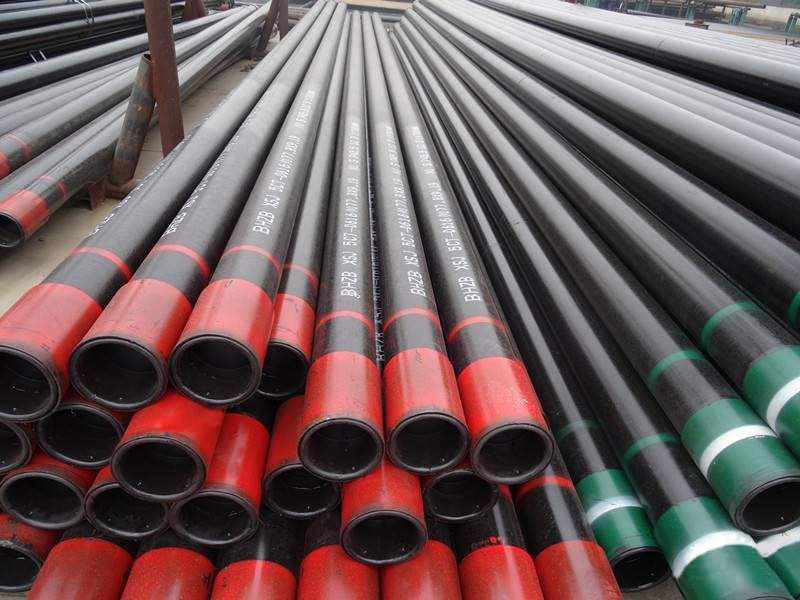
Oil tubing pipes are specialized pipes designed to transport oil and other fluids safely and efficiently. They are commonly used in various sectors, including oil and gas, construction, and industrial applications. Understanding the features and functions of oil tubing pipes is essential for anyone involved in the building and decorating materials sector, particularly when it comes to pipeline systems.
One of the primary purposes of oil tubing pipes is to facilitate the extraction and transportation of oil from wells to processing facilities. These pipes are engineered to withstand high pressures and temperatures, ensuring they remain intact under challenging conditions. This durability is critical, as any failure in the system can lead to significant safety hazards and economic losses.
Oil tubing pipes are typically made from high-strength materials, such as carbon steel or alloy steel, to enhance their resistance to corrosion and mechanical stress. The manufacturing process involves stringent quality control measures to ensure that each pipe meets industry standards. Common specifications include dimensions, wall thickness, and yield strength, all of which are vital in determining the pipe's suitability for specific applications.
Another important aspect of oil tubing pipes is their versatility. They can be tailored to meet various operational requirements, including different lengths, diameters, and wall thicknesses. This adaptability allows engineers and designers to create customized solutions for specific projects, ensuring optimal performance in pipeline systems.
In addition to their structural properties, oil tubing pipes also require proper installation and maintenance. It's crucial for construction professionals to be aware of the best practices when handling these pipes. This includes ensuring proper alignment during installation, utilizing appropriate sealing techniques, and conducting regular inspections to identify any potential issues before they escalate.
Furthermore, the environmental impact of oil tubing pipes cannot be overlooked. As the industry moves towards more sustainable practices, there is an increasing emphasis on developing eco-friendly materials and technologies. Innovations in pipeline systems are focusing on reducing leaks and improving overall efficiency, which are essential for minimizing the environmental footprint of oil transportation.
In summary, oil tubing pipes are a critical component of effective pipeline systems within the construction and decorative materials industry. Their robust design, versatility, and proper maintenance play a significant role in ensuring the safe and efficient transportation of oil and other fluids. By understanding these elements, professionals can make informed decisions and contribute to the success of their projects.
One of the primary purposes of oil tubing pipes is to facilitate the extraction and transportation of oil from wells to processing facilities. These pipes are engineered to withstand high pressures and temperatures, ensuring they remain intact under challenging conditions. This durability is critical, as any failure in the system can lead to significant safety hazards and economic losses.
Oil tubing pipes are typically made from high-strength materials, such as carbon steel or alloy steel, to enhance their resistance to corrosion and mechanical stress. The manufacturing process involves stringent quality control measures to ensure that each pipe meets industry standards. Common specifications include dimensions, wall thickness, and yield strength, all of which are vital in determining the pipe's suitability for specific applications.
Another important aspect of oil tubing pipes is their versatility. They can be tailored to meet various operational requirements, including different lengths, diameters, and wall thicknesses. This adaptability allows engineers and designers to create customized solutions for specific projects, ensuring optimal performance in pipeline systems.
In addition to their structural properties, oil tubing pipes also require proper installation and maintenance. It's crucial for construction professionals to be aware of the best practices when handling these pipes. This includes ensuring proper alignment during installation, utilizing appropriate sealing techniques, and conducting regular inspections to identify any potential issues before they escalate.
Furthermore, the environmental impact of oil tubing pipes cannot be overlooked. As the industry moves towards more sustainable practices, there is an increasing emphasis on developing eco-friendly materials and technologies. Innovations in pipeline systems are focusing on reducing leaks and improving overall efficiency, which are essential for minimizing the environmental footprint of oil transportation.
In summary, oil tubing pipes are a critical component of effective pipeline systems within the construction and decorative materials industry. Their robust design, versatility, and proper maintenance play a significant role in ensuring the safe and efficient transportation of oil and other fluids. By understanding these elements, professionals can make informed decisions and contribute to the success of their projects.
Key words:


Contact
E-mail:
Add:
Hope New District, Mengcun Hui Autonomous County,
Cangzhou City, Hebei Province


PRODUCT SEARCH
Search And Quickly Find The Products You Need
The main products include oil pipeline pipes, oil casing and various specifications of GB/T8162 structural pipes, GB8/T163 fluid pipes, GB/T3087 low and medium pressure boiler pipes, G/TB5310 high pressure boiler pipes, GB/T6479 fertilizer special pipes, etc.