
Understanding Oil Line Pipes: Essential Components in Pipeline Systems
Oil line pipes play a crucial role in various pipeline systems, particularly within the construction and decorative materials sector. These pipes are specifically designed to transport oil and other petroleum products safely and efficiently from one location to another. Understanding the intricacies of oil line pipes is essential for anyone involved in the design, construction, or maintenance of p
Jan 13,2026
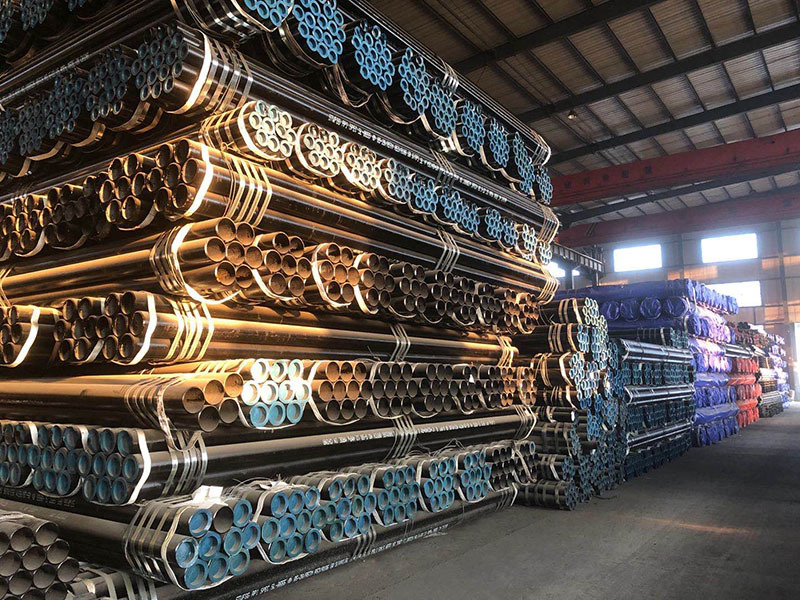
Oil line pipes play a crucial role in various pipeline systems, particularly within the construction and decorative materials sector. These pipes are specifically designed to transport oil and other petroleum products safely and efficiently from one location to another. Understanding the intricacies of oil line pipes is essential for anyone involved in the design, construction, or maintenance of pipeline systems.
The primary function of oil line pipes is to facilitate the flow of oil while ensuring that it remains secure and uncontaminated throughout its journey. These pipes are constructed from materials that can withstand high pressure and resist corrosion, which is vital given the nature of the substances they carry. Commonly used materials include steel, stainless steel, and various types of plastics, each selected based on the specific requirements of the pipeline system.
One of the key factors to consider when working with oil line pipes is their diameter. The diameter impacts the flow rate of the oil and can affect the overall efficiency of the system. Larger pipes can handle more significant volumes of oil, while smaller ones may be more suitable for lower volume applications. It’s essential to match the pipe size to the intended use to prevent issues such as pressure loss or blockages.
Installation techniques for oil line pipes also vary based on the environment and the specific requirements of the project. For example, pipes may be buried underground, installed above ground, or submerged underwater. Each installation method comes with its own set of challenges and considerations, such as maintaining the structural integrity of the pipe and preventing leaks.
In addition to installation, regular maintenance of oil line pipes is vital to ensure their longevity and efficiency. This includes inspecting for signs of wear, corrosion, or damage, as well as ensuring that connections and joints are secure. Early detection of issues can prevent costly repairs and downtime, making maintenance an essential aspect of managing pipeline systems.
Furthermore, it is essential to be aware of the regulatory standards governing the use of oil line pipes. These standards ensure safety and environmental protection, which is increasingly important in today’s industrial landscape. Compliance with these regulations not only protects the environment but also enhances the reputation of those involved in the project.
In conclusion, oil line pipes are integral components of pipeline systems in the construction and decorative materials industry. Their design, materials, and maintenance are critical to ensuring the safe and efficient transportation of oil. By understanding the various aspects of oil line pipes, professionals can make informed decisions that enhance the effectiveness and reliability of their pipeline systems.
The primary function of oil line pipes is to facilitate the flow of oil while ensuring that it remains secure and uncontaminated throughout its journey. These pipes are constructed from materials that can withstand high pressure and resist corrosion, which is vital given the nature of the substances they carry. Commonly used materials include steel, stainless steel, and various types of plastics, each selected based on the specific requirements of the pipeline system.
One of the key factors to consider when working with oil line pipes is their diameter. The diameter impacts the flow rate of the oil and can affect the overall efficiency of the system. Larger pipes can handle more significant volumes of oil, while smaller ones may be more suitable for lower volume applications. It’s essential to match the pipe size to the intended use to prevent issues such as pressure loss or blockages.
Installation techniques for oil line pipes also vary based on the environment and the specific requirements of the project. For example, pipes may be buried underground, installed above ground, or submerged underwater. Each installation method comes with its own set of challenges and considerations, such as maintaining the structural integrity of the pipe and preventing leaks.
In addition to installation, regular maintenance of oil line pipes is vital to ensure their longevity and efficiency. This includes inspecting for signs of wear, corrosion, or damage, as well as ensuring that connections and joints are secure. Early detection of issues can prevent costly repairs and downtime, making maintenance an essential aspect of managing pipeline systems.
Furthermore, it is essential to be aware of the regulatory standards governing the use of oil line pipes. These standards ensure safety and environmental protection, which is increasingly important in today’s industrial landscape. Compliance with these regulations not only protects the environment but also enhances the reputation of those involved in the project.
In conclusion, oil line pipes are integral components of pipeline systems in the construction and decorative materials industry. Their design, materials, and maintenance are critical to ensuring the safe and efficient transportation of oil. By understanding the various aspects of oil line pipes, professionals can make informed decisions that enhance the effectiveness and reliability of their pipeline systems.
Key words:

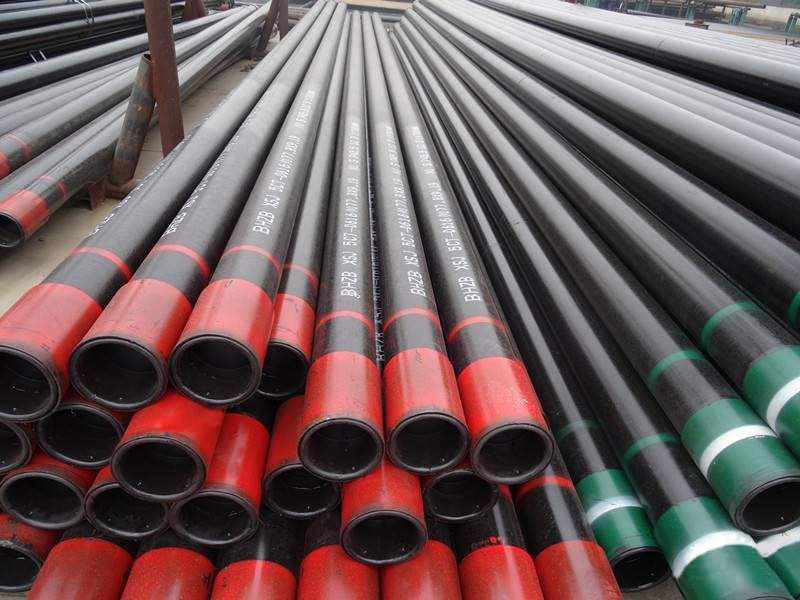

Contact
E-mail:
Add:
Hope New District, Mengcun Hui Autonomous County,
Cangzhou City, Hebei Province


PRODUCT SEARCH
Search And Quickly Find The Products You Need
The main products include oil pipeline pipes, oil casing and various specifications of GB/T8162 structural pipes, GB8/T163 fluid pipes, GB/T3087 low and medium pressure boiler pipes, G/TB5310 high pressure boiler pipes, GB/T6479 fertilizer special pipes, etc.