
Exploring the Manufacturing Process of Oil Pipeline Seamless Pipes: A Comprehensive Guide
Exploring the Manufacturing Process of Oil Pipeline Seamless Pipes
Table of Contents
1. Introduction to Seamless Pipes in Oil Pipelines
2. What is a Seamless Pipe?
3. Importance of Seamless Pipes in Oil Transportation
4. Materials Used in Seamless Pipe Manufacturing
5. Overview of the Manufacturing Process
5.1 Step 1: Billet Preparation
5.2 Ste
Jan 12,2026
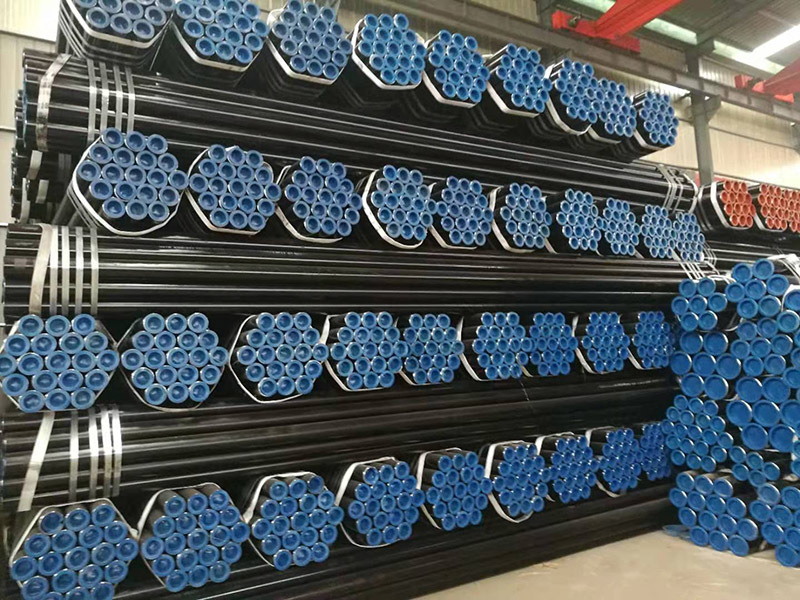
Exploring the Manufacturing Process of Oil Pipeline Seamless Pipes
Table of Contents
- 1. Introduction to Seamless Pipes in Oil Pipelines
- 2. What is a Seamless Pipe?
- 3. Importance of Seamless Pipes in Oil Transportation
- 4. Materials Used in Seamless Pipe Manufacturing
- 5. Overview of the Manufacturing Process
- 5.1 Step 1: Billet Preparation
- 5.2 Step 2: Heating the Billet
- 5.3 Step 3: Piercing
- 5.4 Step 4: Elongation and Stretching
- 5.5 Step 5: Finish Rolling
- 6. Quality Control in Seamless Pipe Manufacturing
- 7. Applications of Seamless Pipes in the Oil Industry
- 8. Future Trends in Seamless Pipe Manufacturing
- 9. Conclusion
- 10. Frequently Asked Questions
1. Introduction to Seamless Pipes in Oil Pipelines
The oil and gas industry relies heavily on the integrity and performance of its pipeline systems. Among the various types of pipes available, **seamless pipes** stand out due to their robustness and ability to withstand high pressures and harsh conditions. This article provides an in-depth look at the **manufacturing process of oil pipeline seamless pipes**, detailing each step from raw material selection to final quality checks.
2. What is a Seamless Pipe?
Seamless pipes are hollow tubes that are manufactured without any seams or welds. This characteristic is crucial in applications requiring high-pressure resistance, such as oil transportation. The absence of seams eliminates the risk of weak points in the pipe, making them ideal for critical infrastructure.
3. Importance of Seamless Pipes in Oil Transportation
Seamless pipes are essential for transporting crude oil and natural gas over long distances. Their ability to withstand high pressures and corrosive environments makes them indispensable in ensuring operational efficiency. Additionally, they have a longer lifespan compared to welded pipes, which translates to lower maintenance costs and enhanced safety.
4. Materials Used in Seamless Pipe Manufacturing
The primary materials used in the manufacturing of seamless pipes include:
- **Carbon Steel**: Known for its strength and flexibility, carbon steel is the most common material used.
- **Alloy Steel**: This type of steel is used for applications requiring high temperature and pressure resistance.
- **Stainless Steel**: Ideal for corrosive environments, stainless steel offers excellent durability.
- **Nickel Alloys**: These alloys are used for their ability to resist corrosion and maintain strength in extreme conditions.
5. Overview of the Manufacturing Process
The manufacturing process of seamless pipes involves several intricate steps. Each phase is critical to ensure the final product meets the stringent demands of the oil industry.
5.1 Step 1: Billet Preparation
The process begins with the selection of high-quality steel billets. These billets are cut into specified lengths to ensure uniformity throughout the manufacturing process.
5.2 Step 2: Heating the Billet
Once cut, the billets are heated in a furnace at temperatures reaching 1200°C to make them malleable. This heating process is essential for the next stage, allowing the material to be transformed into a pipe shape.
5.3 Step 3: Piercing
The heated billet is then subjected to a piercing operation, where it is pierced through the center to create a hollow tube. This step is typically performed using a piercing mill.
5.4 Step 4: Elongation and Stretching
Following piercing, the tube is elongated and stretched to achieve the desired diameter and wall thickness. This process is crucial for ensuring the strength and integrity of the pipe.
5.5 Step 5: Finish Rolling
The final stage of the manufacturing process involves finish rolling, where the pipe is further refined to achieve the exact dimensions and surface finish required. It is during this phase that the pipe's characteristics, such as wall thickness and diameter, are finalized.
6. Quality Control in Seamless Pipe Manufacturing
Quality control is a paramount aspect of seamless pipe manufacturing. Rigorous testing procedures, including hydrostatic tests, ultrasonic testing, and X-ray inspections, are implemented to ensure that each pipe meets industry standards and specifications. These tests are crucial in detecting any flaws or weaknesses in the pipes, ensuring safety and reliability in their application.
7. Applications of Seamless Pipes in the Oil Industry
Seamless pipes are utilized in various applications within the oil industry, including:
- **Crude Oil Transportation**: Seamless pipes are ideal for long-distance transportation of crude oil due to their high-pressure resistance.
- **Natural Gas Pipelines**: The durability of seamless pipes makes them suitable for transporting natural gas under high pressure.
- **Refinery Applications**: In refineries, seamless pipes are used for transporting various fuels and chemicals, benefiting from their corrosion resistance.
8. Future Trends in Seamless Pipe Manufacturing
As the oil and gas industry continues to evolve, so does the manufacturing process for seamless pipes. Innovations in materials, such as the development of high-strength alloys, are leading to lighter and stronger pipes. Additionally, advancements in manufacturing technologies, including automation and digitalization, are streamlining production processes and enhancing quality control measures.
9. Conclusion
The manufacturing process of oil pipeline seamless pipes is a complex and highly specialized domain that plays a crucial role in the oil and gas industry. Understanding each step—from billet preparation to quality control—provides insight into the high standards required for these essential components. As technology advances, the future of seamless pipes looks promising, with continuous improvements in materials and manufacturing techniques leading to safer and more efficient oil transportation.
10. Frequently Asked Questions
1. What is the difference between seamless pipes and welded pipes?
Seamless pipes are manufactured without any seams or welds, providing higher strength and pressure resistance. Welded pipes, on the other hand, are formed by welding two edges together, which can create weak points.
2. Why are seamless pipes preferred in the oil industry?
Seamless pipes offer superior strength, durability, and resistance to high pressures and corrosive environments, making them ideal for oil and gas transportation.
3. What materials are commonly used in seamless pipe manufacturing?
Common materials include carbon steel, alloy steel, stainless steel, and nickel alloys, chosen for their specific properties suited to various applications.
4. How is the quality of seamless pipes ensured during manufacturing?
Quality control measures include hydrostatic tests, ultrasonic testing, and X-ray inspections to detect any defects or weaknesses in the pipes.
5. What are the future trends in the manufacturing of seamless pipes?
Future trends include the development of high-strength materials, automation in manufacturing processes, and digitalization for improved quality control.
Key words:

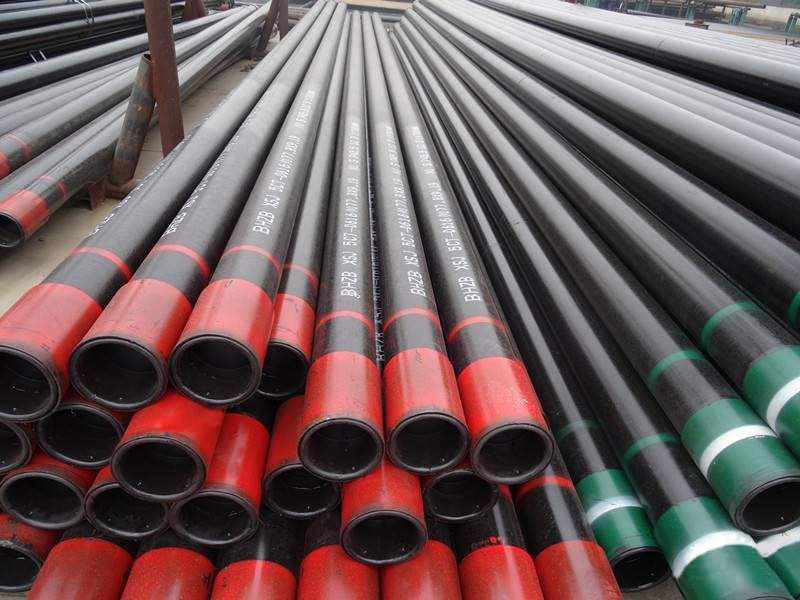

Contact
E-mail:
Add:
Hope New District, Mengcun Hui Autonomous County,
Cangzhou City, Hebei Province


PRODUCT SEARCH
Search And Quickly Find The Products You Need
The main products include oil pipeline pipes, oil casing and various specifications of GB/T8162 structural pipes, GB8/T163 fluid pipes, GB/T3087 low and medium pressure boiler pipes, G/TB5310 high pressure boiler pipes, GB/T6479 fertilizer special pipes, etc.