
Unlocking the Advantages of Steel Line Pipe in Modern Construction Projects
Unlocking the Advantages of Steel Line Pipe in Modern Construction Projects
Table of Contents
1. Introduction to Steel Line Pipe
2. The Importance of Steel Line Pipe in Construction
3. Key Benefits of Using Steel Line Pipe
3.1 Exceptional Durability
3.2 Cost-Effectiveness Over Time
3.3 Environmental Sustainability
3.4 Versatilit
Jan 14,2026

Unlocking the Advantages of Steel Line Pipe in Modern Construction Projects
Table of Contents
- 1. Introduction to Steel Line Pipe
- 2. The Importance of Steel Line Pipe in Construction
- 3. Key Benefits of Using Steel Line Pipe
- 3.1 Exceptional Durability
- 3.2 Cost-Effectiveness Over Time
- 3.3 Environmental Sustainability
- 3.4 Versatility in Applications
- 3.5 Safety and Compliance Standards
- 4. Applications of Steel Line Pipe in Construction
- 5. Best Practices for Installation
- 6. Maintenance Tips for Steel Line Pipe
- 7. Frequently Asked Questions
- 8. Conclusion
1. Introduction to Steel Line Pipe
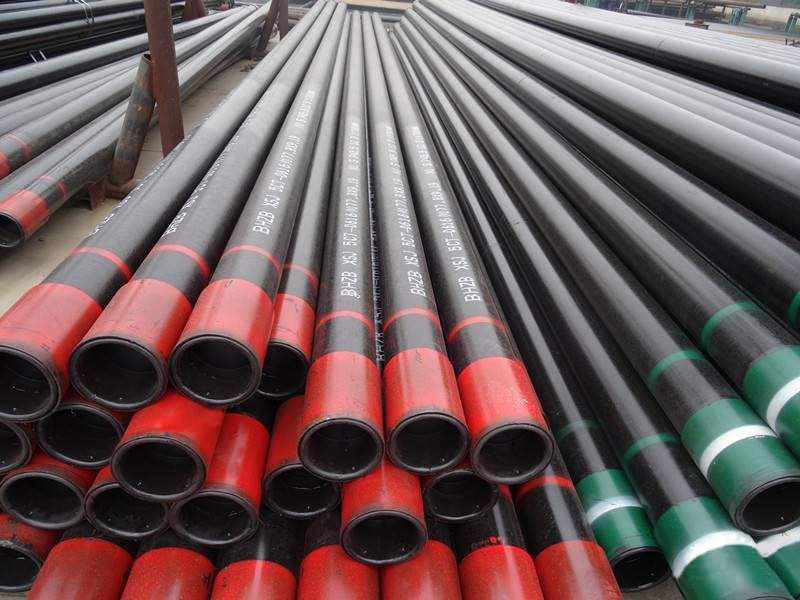
Steel line pipes have become an integral part of the construction industry, providing essential solutions for various plumbing and piping systems. These pipes are primarily designed for the transportation of fluids and gases, making them critical components in numerous applications. With their robust construction and reliable performance, steel line pipes are increasingly favored by contractors and engineers for their projects.
2. The Importance of Steel Line Pipe in Construction
Understanding the importance of steel line pipes requires an appreciation of their role in infrastructure development. As construction projects become more complex and demanding, steel line pipes offer a dependable solution that meets the evolving needs of the industry. This section delves into why these pipes are essential for modern construction practices.
3. Key Benefits of Using Steel Line Pipe
The decision to use steel line pipes in construction comes with a multitude of advantages. Here, we will explore some of the most significant benefits that make steel an attractive choice for builders and developers.
3.1 Exceptional Durability
Steel line pipes are renowned for their strength and resilience. Unlike other materials, steel can withstand extreme temperatures, pressures, and corrosive environments. This durability translates into a longer lifespan, reducing the need for frequent replacements and repairs. When properly installed and maintained, steel line pipes can last decades, providing a sound investment for any construction project.
3.2 Cost-Effectiveness Over Time
While the initial cost of steel line pipes may be higher than alternative materials, their long-term benefits far outweigh the upfront investment. Steel’s durability reduces maintenance and replacement costs, leading to substantial savings over the life of the project. Additionally, steel line pipes can enhance energy efficiency, further reducing operational costs for businesses relying on these systems.
3.3 Environmental Sustainability
As sustainability becomes a focal point in construction, steel line pipes emerge as a green choice. Steel is 100% recyclable, meaning that it can be reused without losing its properties. By choosing steel line pipes, construction companies can contribute to environmental conservation efforts, minimizing waste and reducing their carbon footprint.
3.4 Versatility in Applications
Steel line pipes are highly versatile and can be used in various applications, including water supply, gas distribution, and wastewater management. Their adaptability allows them to meet the specific requirements of different industries, from residential construction to large-scale industrial projects. This flexibility makes steel line pipes a favored choice among engineers and architects.
3.5 Safety and Compliance Standards
Safety is paramount in construction, and steel line pipes meet stringent safety standards. These pipes are designed to handle high pressure and are resistant to punctures and leaks, ensuring the safe transport of fluids and gases. Furthermore, their compliance with industry regulations provides peace of mind to contractors and clients alike.
4. Applications of Steel Line Pipe in Construction
Steel line pipes are utilized in a wide array of applications across various sectors. This section highlights some of the most common uses of steel line pipes in construction projects.
4.1 Water Supply Systems
In municipal and residential water supply systems, steel line pipes are favored for their strength and reliability. They can efficiently transport large volumes of water, ensuring a steady supply to households and businesses.
4.2 Gas Distribution Networks
Steel line pipes are essential in the natural gas distribution network. Their ability to withstand high pressures makes them ideal for transporting gas safely from production facilities to consumers.
4.3 Oil and Gas Industry
In the oil and gas industry, steel line pipes play a critical role in the transportation of crude oil and natural gas. Their durability and resistance to extreme conditions make them the preferred choice for pipelines.
4.4 Wastewater Management
Steel line pipes are also used in wastewater management systems, effectively transporting sewage and industrial waste. Their corrosion resistance ensures a longer lifespan, reducing the risk of leaks and environmental contamination.
5. Best Practices for Installation
Proper installation of steel line pipes is crucial for maximizing their performance and longevity. This section outlines best practices to ensure a successful installation process.
5.1 Site Assessment
Before installation, conduct a thorough site assessment to identify any potential challenges, such as soil conditions and environmental factors. Understanding the site helps in selecting the right type and size of steel line pipe.
5.2 Proper Handling and Storage
Handle steel line pipes with care to prevent damage. Store them in a dry, elevated area to avoid exposure to moisture, which can lead to corrosion.
5.3 Skilled Labor
Employ skilled workers for the installation process. Experienced professionals understand the nuances of working with steel and can ensure proper connections and fittings for a leak-free system.
5.4 Testing and Inspection
After installation, conduct thorough testing and inspection to check for leaks and ensure the integrity of the system. Regular inspections throughout the project's lifecycle can prevent future issues.
6. Maintenance Tips for Steel Line Pipe
Regular maintenance is essential for extending the lifespan of steel line pipes. Here are some helpful maintenance tips:
6.1 Routine Inspections
Conduct routine inspections to identify any signs of wear, corrosion, or damage. Early detection can prevent larger problems down the line.
6.2 Cleaning
Keep steel line pipes clean by removing debris and sediment that may accumulate inside the pipes. This helps maintain optimal flow and prevents blockages.
6.3 Protective Coatings
Consider applying protective coatings to steel line pipes to enhance corrosion resistance. These coatings can significantly extend the life of the pipes, especially in harsh environments.
7. Frequently Asked Questions
7.1 What are steel line pipes made of?
Steel line pipes are primarily made from carbon steel, designed for strength and durability. Various grades are available, tailored to specific applications and environmental conditions.
7.2 How long do steel line pipes last?
When properly installed and maintained, steel line pipes can last upwards of 50 years, making them a long-lasting solution for construction projects.
7.3 Are steel line pipes environmentally friendly?
Yes, steel line pipes are recyclable and can be reused without losing their integrity, making them a sustainable choice for construction.
7.4 Can steel line pipes be used for both hot and cold fluids?
Absolutely! Steel line pipes can effectively transport both hot and cold fluids, making them versatile for various applications.
7.5 What safety standards do steel line pipes meet?
Steel line pipes must comply with industry safety standards, which vary by application and location. They are designed to handle high pressures and resist punctures and leaks.
8. Conclusion
Incorporating steel line pipes in construction projects offers numerous benefits, from exceptional durability to cost-effectiveness and environmental sustainability. As the construction industry evolves, the demand for reliable, efficient materials is paramount. Steel line pipes stand out as a premier choice for contractors and engineers, adapting to various applications while meeting stringent safety standards. By choosing steel line pipes, professionals can ensure the success of their projects, leading to enhanced performance and long-term savings.
Key words:


Contact
E-mail:
Add:
Hope New District, Mengcun Hui Autonomous County,
Cangzhou City, Hebei Province


PRODUCT SEARCH
Search And Quickly Find The Products You Need
The main products include oil pipeline pipes, oil casing and various specifications of GB/T8162 structural pipes, GB8/T163 fluid pipes, GB/T3087 low and medium pressure boiler pipes, G/TB5310 high pressure boiler pipes, GB/T6479 fertilizer special pipes, etc.