
How to Maximize the Lifespan of Your Oil Casing Pipes: Essential Strategies for Longevity
How to Maximize the Lifespan of Your Oil Casing Pipes: Essential Strategies for Longevity
Table of Contents
1. Introduction to Oil Casing Pipes
2. Understanding Oil Casing Pipes
3. Common Factors Affecting the Lifespan of Oil Casing Pipes
4. Best Installation Practices for Oil Casing Pipes
5. Regular Maintenance Tips for Longevity
6. Protective Measures to Enhance Durability
7. Monitoring and Ins
May 14,2026
How to Maximize the Lifespan of Your Oil Casing Pipes: Essential Strategies for Longevity
Table of Contents
- 1. Introduction to Oil Casing Pipes
- 2. Understanding Oil Casing Pipes
- 3. Common Factors Affecting the Lifespan of Oil Casing Pipes
- 4. Best Installation Practices for Oil Casing Pipes
- 5. Regular Maintenance Tips for Longevity
- 6. Protective Measures to Enhance Durability
- 7. Monitoring and Inspection Protocols
- 8. Conclusion
- 9. FAQs
1. Introduction to Oil Casing Pipes
Oil casing pipes play a critical role in the extraction and transportation of oil. They provide structural support, protect the surrounding environment, and ensure the safe operation of drilling sites. Understanding how to maintain and maximize the lifespan of these pipes is crucial for operators in the oil industry. In this article, we will explore essential strategies and best practices to enhance the durability of your oil casing pipes, ultimately leading to reduced costs and improved efficiency.
2. Understanding Oil Casing Pipes
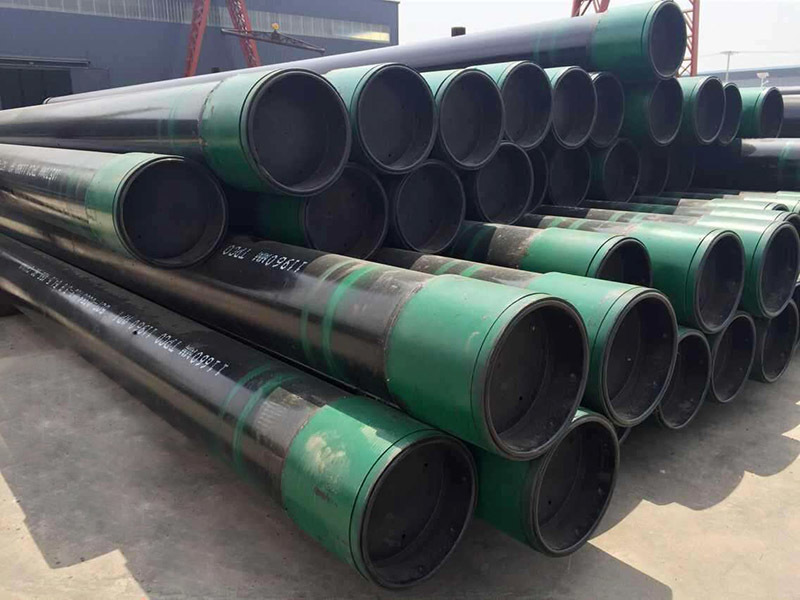
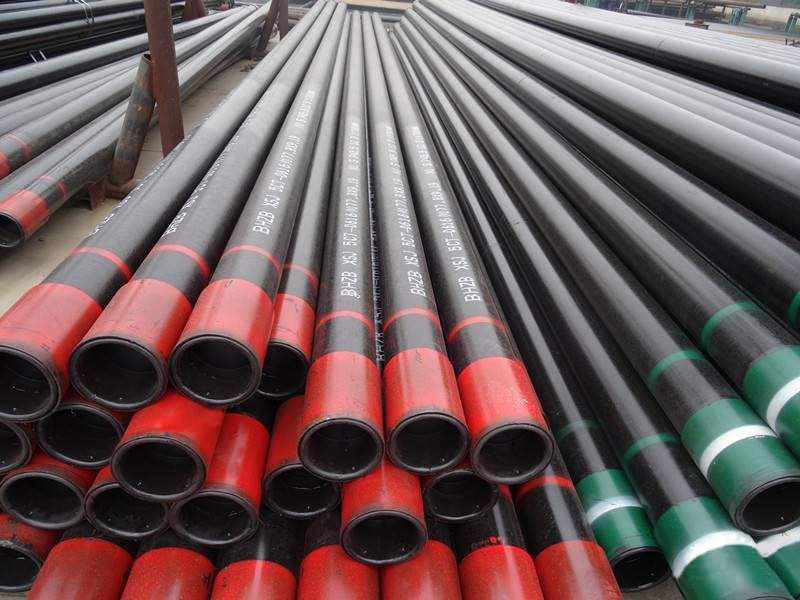
Oil casing pipes are used to line the drilled wellbore and prevent the collapse of the well. They are typically constructed from high-strength steel and come in various sizes and grades, depending on the specific requirements of the drilling project. These pipes serve multiple purposes, including:
- Providing structural integrity to the well
- Preventing contaminants from entering the oil supply
- Facilitating the safe flow of oil and gas from the reservoir to the surface
Understanding the design, materials, and functions of oil casing pipes is essential for implementing effective maintenance and care strategies.
3. Common Factors Affecting the Lifespan of Oil Casing Pipes
Several factors can significantly impact the longevity of oil casing pipes. Being aware of these can help you take proactive steps to mitigate their effects:
3.1 Corrosion
Corrosion is one of the most common threats to oil casing pipes. The presence of aggressive substances such as hydrogen sulfide and carbon dioxide can lead to rapid degradation. Implementing protective coatings and cathodic protection systems can help combat corrosion effectively.
3.2 Mechanical Stress
Oil casing pipes endure considerable mechanical stress during installation and operation. Factors like pressure changes, temperature fluctuations, and external loads can cause stress fractures. Proper installation techniques and regular monitoring can help manage this issue.
3.3 Environmental Conditions
Environmental factors, including moisture, temperature, and soil chemistry, can affect the performance and lifespan of oil casing pipes. Understanding your drilling location's specific environmental conditions allows for better material selection and protective measures.
4. Best Installation Practices for Oil Casing Pipes
The installation process of oil casing pipes is crucial in determining their lifespan. Adhering to best practices can minimize risks and enhance durability:
4.1 Selecting the Right Materials
Choosing the appropriate material grade based on the drilling environment is essential. Higher-grade materials may be more costly initially but can offer significant savings in maintenance and longevity.
4.2 Ensuring Proper Alignment
Misalignment during installation can lead to increased stress and premature failure. Using advanced alignment tools and techniques ensures that pipes are installed correctly.
4.3 Employing Experienced Personnel
Hiring skilled professionals for the installation process is vital. Their expertise will contribute to proper handling, alignment, and welding, ensuring that the casing pipes are securely placed.
5. Regular Maintenance Tips for Longevity
Routine maintenance is key to maximizing the lifespan of oil casing pipes. Here are some effective maintenance tips:
5.1 Conducting Regular Inspections
Frequent inspections help identify early signs of wear, corrosion, or leaks. Implementing a structured inspection program ensures that any issues are addressed promptly.
5.2 Cleaning and Removing Debris
Debris accumulation can lead to corrosion and blockages. Regular cleaning of the casing pipes helps maintain optimal flow and protects against corrosion.
5.3 Monitoring Pressure and Temperature
Monitoring the pressure and temperature within the casing pipes helps detect anomalies. Installing real-time monitoring systems can provide valuable data for maintenance planning.
6. Protective Measures to Enhance Durability
Implementing protective measures can significantly enhance the lifespan of oil casing pipes:
6.1 Coatings and Linings
Applying protective coatings or linings can shield pipes from corrosive substances. Options like epoxy coatings or polymer linings are effective in extending pipe life.
6.2 Cathodic Protection Systems
Cathodic protection systems can prevent corrosion by creating a protective electric current. This method is particularly beneficial in corrosive environments.
6.3 Insulation Techniques
Proper insulation can help maintain temperature stability and prevent thermal stresses that lead to fatigue. Insulating materials designed for high-pressure environments can be highly effective.
7. Monitoring and Inspection Protocols
Developing robust monitoring and inspection protocols is essential for maintaining the integrity of oil casing pipes:
7.1 Visual Inspections
Regular visual inspections allow operators to detect signs of wear or damage early. These inspections should be systematic and documented.
7.2 Non-Destructive Testing (NDT)
Implementing non-destructive testing methods, such as ultrasonic testing or radiographic testing, can provide deeper insights into the condition of the casing pipes without causing damage.
7.3 Data Analysis and Reporting
Utilizing data analytics tools to assess inspection results can help predict future maintenance needs. Establishing a reporting system ensures transparency and accountability.
8. Conclusion
Maximizing the lifespan of oil casing pipes is essential for ensuring safe and efficient oil extraction processes. By understanding the factors affecting their durability, implementing best installation practices, maintaining regular inspections, and adopting protective measures, operators can significantly enhance the longevity of their oil casing pipes. Investing time and resources into these strategies not only reduces operational costs but also promotes environmental safety and compliance with industry standards.
9. FAQs
What are oil casing pipes made of?
Oil casing pipes are typically constructed from high-strength steel, designed to withstand high pressure and corrosion.
How often should oil casing pipes be inspected?
Regular inspections should be conducted at least once a year, with more frequent checks in high-risk environments or during extreme weather conditions.
What are the signs of corrosion in oil casing pipes?
Signs of corrosion include visible rust, pitting, reduced wall thickness, and leaks near joints or connections.
Can oil casing pipes be repaired once damaged?
Yes, oil casing pipes can often be repaired using various methods, including welding, patching, or replacement of damaged sections, depending on the severity of the damage.
What is cathodic protection, and why is it important?
Cathodic protection is a technique used to prevent corrosion in metal structures. It involves applying a small electric current to counteract the electrochemical reactions that cause corrosion. This method is critical in prolonging the life of oil casing pipes in corrosive environments.
Key words:


Contact
E-mail:
Add:
Hope New District, Mengcun Hui Autonomous County,
Cangzhou City, Hebei Province


PRODUCT SEARCH
Search And Quickly Find The Products You Need
The main products include oil pipeline pipes, oil casing and various specifications of GB/T8162 structural pipes, GB8/T163 fluid pipes, GB/T3087 low and medium pressure boiler pipes, G/TB5310 high pressure boiler pipes, GB/T6479 fertilizer special pipes, etc.