
The Environmental Impact of Using Seamless Pipes in Oil Pipelines: A Comprehensive Analysis
The Environmental Impact of Using Seamless Pipes in Oil Pipelines
Understanding Seamless Pipes: Definition and Manufacturing Process
Seamless pipes are a critical component in the oil and gas industry, recognized for their durability and strength. Unlike welded pipes, seamless pipes are manufactured from a solid billet, which undergoes processes such as heating and piercing, resulting in a pipe wi
Jul 24,2026

The Environmental Impact of Using Seamless Pipes in Oil Pipelines
Understanding Seamless Pipes: Definition and Manufacturing Process
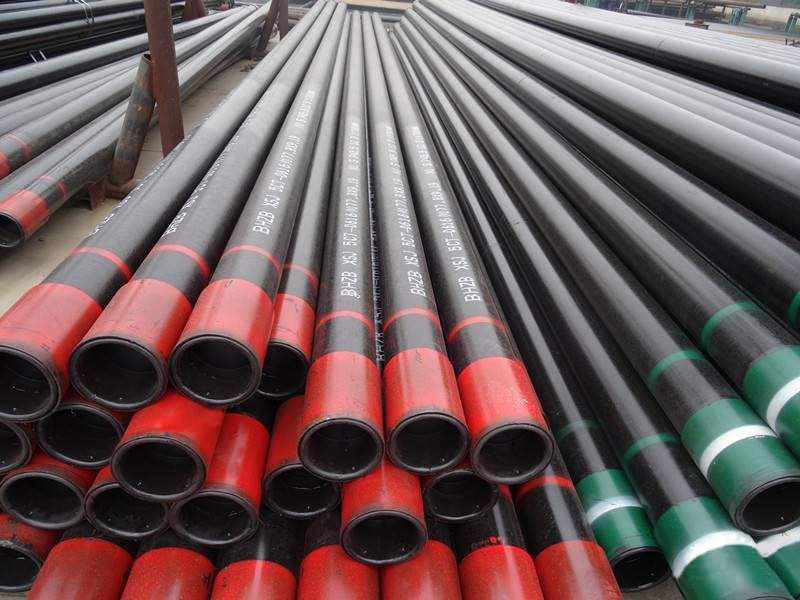
Seamless pipes are a critical component in the oil and gas industry, recognized for their durability and strength. Unlike welded pipes, seamless pipes are manufactured from a solid billet, which undergoes processes such as heating and piercing, resulting in a pipe without seams or joints. This manufacturing method enhances their structural integrity, making them particularly suitable for high-pressure applications found in oil pipelines.
The production of seamless pipes involves several stages, including:
1. **Billet Preparation**: The initial step involves selecting high-quality steel billets. These billets are crucial as they determine the final product's quality and performance.
2. **Heating**: The billets are heated in a furnace to a temperature that allows them to be easily molded.
3. **Piercing**: A piercing mill uses a mandrel to create a hollow tube from the heated billet.
4. **Elongation and Reduction**: The hollow tube is then elongated and reduced in diameter through a series of rolling processes.
5. **Heat Treatment**: The pipes undergo heat treatment to relieve internal stresses and enhance mechanical properties.
6. **Finishing**: Finally, the seamless pipes are finished, inspected, and prepared for shipment.
The Benefits of Seamless Pipes in Oil Pipelines
Seamless pipes offer numerous advantages over traditional welded pipes in oil transportation, making them a preferred choice in the industry:
1. Enhanced Durability and Strength
Seamless pipes are inherently more robust due to their lack of seams, which are potential weak points in welded pipes. This increased strength results in a reduced likelihood of leaks and failures, contributing to safer oil transportation.
2. Resistance to Corrosion
The manufacturing process of seamless pipes often utilizes high-grade materials that exhibit excellent resistance to corrosion. This property is vital in oil pipelines, which frequently encounter harsh environmental conditions.
3. Improved Flow Efficiency
Seamless pipes typically have smoother interiors compared to welded pipes, reducing friction losses and enhancing the flow efficiency of oil, leading to lower energy consumption during transportation.
4. Lower Maintenance Costs
Due to their durability and resistance to damage, seamless pipes require less maintenance than their welded counterparts. This results in lower operational costs over the lifespan of the pipeline.
5. Environmentally Friendly Production Methods
Advancements in manufacturing techniques have led to more environmentally friendly production processes for seamless pipes, which can be integrated into sustainable practices within the oil industry.
Environmental Concerns Associated with Oil Pipelines
While seamless pipes offer numerous advantages, the environmental impact of oil pipelines remains a significant concern. Key issues include:
1. Oil Spills and Leaks
Despite improved safety measures, oil spills and leaks are still a risk associated with pipelines. The consequences can be catastrophic, leading to severe environmental degradation and harm to ecosystems.
2. Habitat Disruption
The construction of oil pipelines often requires significant land alteration, leading to habitat destruction. This disruption can negatively impact local wildlife and plant life.
3. Emissions During Manufacturing
The production of seamless pipes, although more environmentally friendly than traditional methods, still involves energy-intensive processes that emit greenhouse gases. Efforts to minimize these emissions are ongoing within the industry.
4. Water Usage
Manufacturing seamless pipes can be water-intensive, raising concerns about water scarcity, especially in regions where resources are already limited.
Sustainable Practices in Seamless Pipe Production
To mitigate the environmental impact of seamless pipes, the oil industry is adopting various sustainable practices:
1. Recycling Materials
The use of recycled steel in pipe manufacturing reduces the demand for virgin materials and lowers the environmental footprint of production.
2. Energy-Efficient Processes
Innovations in manufacturing technology aim to decrease energy consumption during the production of seamless pipes, leading to lower emissions and a reduced carbon footprint.
3. Water Conservation Techniques
Implementing water conservation measures in manufacturing processes is crucial for minimizing the overall water usage associated with seamless pipe production.
4. Enhanced Inspection and Maintenance Protocols
Adopting advanced inspection technologies helps detect potential issues within the pipelines early, thereby preventing leaks and spills before they occur.
Case Studies: Successful Implementation of Seamless Pipes
Several oil companies have successfully integrated seamless pipes into their operations, demonstrating the benefits and sustainable practices associated with their use.
1. Case Study: Company A
Company A implemented seamless pipes in their pipeline network, resulting in a 30% reduction in maintenance costs and a significant decrease in leak incidents over five years. Their commitment to sustainability was further emphasized by introducing energy-efficient manufacturing processes.
2. Case Study: Company B
Company B adopted seamless pipes for a new pipeline project, focusing on minimizing environmental impact. They utilized recycled materials and implemented advanced monitoring technologies that led to a reduction in emissions and more efficient operations.
Future Trends in Seamless Pipe Technology and Environmental Impact
The future of seamless pipes in the oil industry is promising, with several emerging trends aimed at reducing environmental impact:
1. Advanced Materials
Research is ongoing into developing new materials that enhance the performance of seamless pipes while further reducing their environmental footprint.
2. Smart Pipeline Technologies
The integration of smart technologies will allow for real-time monitoring of pipelines, improving safety and efficiency while minimizing environmental risks.
3. Increased Use of Renewable Energy
The transition towards renewable energy sources in the manufacturing process of seamless pipes is crucial for achieving sustainability goals within the oil industry.
FAQs About Seamless Pipes and Their Environmental Impact
1. What are seamless pipes, and why are they used in oil pipelines?
Seamless pipes are pipes without seams or welds, offering superior strength and durability, making them ideal for high-pressure applications like oil transportation.
2. How do seamless pipes contribute to environmental sustainability?
Seamless pipes reduce the risk of leaks, require less maintenance, and often utilize advanced manufacturing processes that minimize their environmental footprint.
3. Are there any significant environmental risks associated with using seamless pipes?
While seamless pipes enhance safety, risks such as oil spills, habitat disruption, and emissions during production still exist.
4. What initiatives are in place to improve the sustainability of seamless pipe production?
Initiatives include recycling materials, energy-efficient manufacturing, water conservation techniques, and advanced inspection protocols.
5. How can companies ensure the safe operation of pipelines using seamless pipes?
Companies can implement robust monitoring systems, conduct regular inspections, and utilize advanced materials to ensure the safe operation of their pipelines.
Conclusion
The use of seamless pipes in oil pipelines presents a blend of significant benefits and environmental challenges. By understanding and addressing these challenges through sustainable practices and advanced technologies, the oil industry can better align with global environmental goals. As seamless pipe technology continues to evolve, it holds the potential to play a pivotal role in enhancing the efficiency and sustainability of oil transportation, ultimately contributing to a more sustainable future for the industry.
Key words:


Contact
E-mail:
Add:
Hope New District, Mengcun Hui Autonomous County,
Cangzhou City, Hebei Province


PRODUCT SEARCH
Search And Quickly Find The Products You Need
The main products include oil pipeline pipes, oil casing and various specifications of GB/T8162 structural pipes, GB8/T163 fluid pipes, GB/T3087 low and medium pressure boiler pipes, G/TB5310 high pressure boiler pipes, GB/T6479 fertilizer special pipes, etc.