
Essential Maintenance Tips for Extending the Life of Your Oil Line Pipe
Essential Maintenance Tips for Extending the Life of Your Oil Line Pipe
Table of Contents
1. Introduction to Oil Line Pipes
2. Importance of Maintenance for Oil Line Pipes
3. Common Issues with Oil Line Pipes
4. Conducting Routine Inspections
4.1 Visual Inspections
4.2 Leak Checks
5. Cleaning Your Oil Line Pipes
5.
May 14,2026
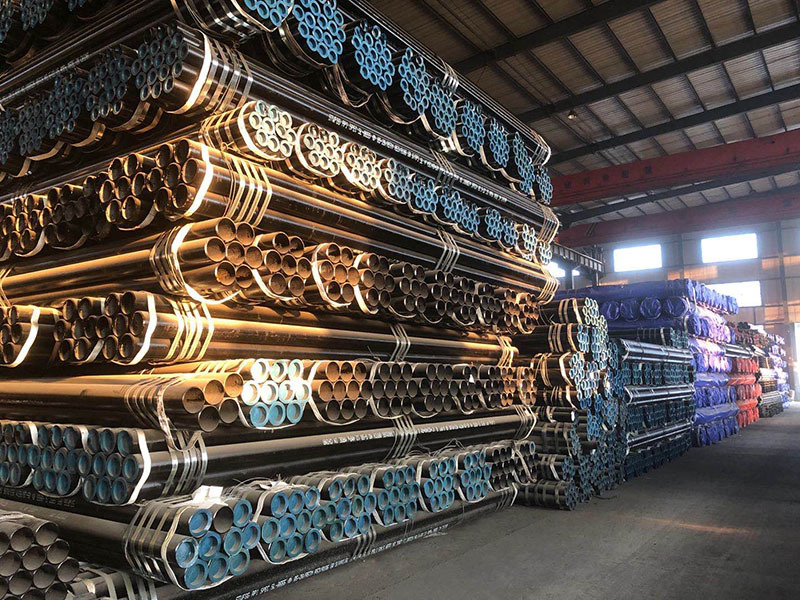
Essential Maintenance Tips for Extending the Life of Your Oil Line Pipe
Table of Contents
- 1. Introduction to Oil Line Pipes
- 2. Importance of Maintenance for Oil Line Pipes
- 3. Common Issues with Oil Line Pipes
- 4. Conducting Routine Inspections
- 5. Cleaning Your Oil Line Pipes
- 6. Using Protective Coatings
- 7. Temperature Regulation
- 8. When to Call a Professional
- 9. Conclusion
1. Introduction to Oil Line Pipes
Oil line pipes are crucial components in transporting various types of oil, including heating oil, diesel, and other petroleum products. Their effective operation is vital for both residential and commercial applications. However, like all mechanical systems, oil line pipes require regular maintenance to function optimally and to avoid costly repairs or replacements.
2. Importance of Maintenance for Oil Line Pipes
Maintaining oil line pipes is essential for several reasons:
- **Safety:** Oil leaks can lead to hazardous situations, including fires and environmental contamination.
- **Efficiency:** Regular maintenance ensures that the pipes operate at peak efficiency, reducing energy consumption.
- **Cost Savings:** Proactive maintenance can prevent major repairs, saving considerable costs over time.
- **Longevity:** Well-maintained pipes have a significantly longer lifespan, ensuring that your investment remains intact.
3. Common Issues with Oil Line Pipes
Understanding common issues that can arise with oil line pipes is the first step in effective maintenance. These issues include:
- **Corrosion:** Exposure to moisture and other elements can cause the pipes to corrode over time.
- **Clogs:** Accumulation of sludge, debris, or sediment can lead to blockages.
- **Leaks:** Wear and tear or improper installation can result in leaks, which are both dangerous and costly.
- **Temperature Fluctuations:** Extreme temperatures can affect the integrity of the pipes and the fluids they transport.
4. Conducting Routine Inspections
Regular inspections are a cornerstone of maintenance for oil line pipes. Implementing a consistent inspection routine can help identify potential issues before they escalate.
4.1 Visual Inspections
Performing visual inspections involves checking for obvious signs of wear or damage. Look for:
- Rust or corrosion on the surface.
- Cracks or swelling in the pipe material.
- Signs of leaking oil around joints and fittings.
Regularly scheduled visual inspections should be part of your maintenance plan, ideally every season.
4.2 Leak Checks
Detecting leaks early is critical to preventing serious damage. Use the following methods to check for leaks:
- **Soapy Water Test:** Apply a solution of soap and water to joints and fittings. Bubbles will form if there is a leak.
- **Pressure Testing:** This method involves pressurizing the system and monitoring for drops in pressure, indicating a leak.
Perform leak checks at least twice a year or after any significant weather events.
5. Cleaning Your Oil Line Pipes
Keeping your oil line pipes clean is essential for preventing clogs and ensuring smooth operation. Regular cleaning helps to eliminate sludge and debris buildup.
5.1 Cleaning Methods
Several cleaning methods can be employed, depending on the severity of the buildup:
- **Mechanical Cleaning:** Utilizing brushes or scrapers to physically remove deposits.
- **Chemical Cleaning:** Employing solvents that can dissolve accumulated sludge. Always follow manufacturer guidelines to avoid damaging the pipes.
5.2 Frequency of Cleaning
The frequency of cleaning will depend on usage patterns and the type of oil being transported. As a general rule, clean your oil line pipes at least once a year, or more frequently if you notice signs of buildup.
6. Using Protective Coatings
Applying protective coatings can significantly extend the life of your oil line pipes. These coatings act as barriers against moisture and corrosive elements.
- **Types of Coatings:** Consider using epoxy or polyurethane-based coatings that offer durability and resistance to chemicals.
- **Application Timing:** Schedule the application of these coatings during routine maintenance, ideally after cleaning.
7. Temperature Regulation
Temperature regulation is vital to maintaining the integrity of oil line pipes. Extreme heat or cold can impact the performance of both the pipes and the oil.
- **Insulation:** Insulating your pipes can help maintain optimal temperatures, preventing the oil from thickening in cold weather or overheating in extreme heat.
- **Monitoring Systems:** Installing temperature monitoring systems can alert you to potential issues before they become critical.
8. When to Call a Professional
While many maintenance tasks can be performed in-house, some situations require professional expertise:
- **Severe Corrosion or Damage:** If inspections reveal extensive damage, it's crucial to engage a professional for a thorough assessment.
- **Complex Repairs:** Tasks that involve significant disassembly or specialized tools should be handled by qualified technicians.
9. Conclusion
Extending the life of your oil line pipes is achievable through diligent maintenance practices. By conducting regular inspections, performing routine cleaning, applying protective coatings, and ensuring appropriate temperature regulation, you can significantly reduce the risk of costly repairs. Always remain vigilant for signs of wear and seek professional assistance when necessary. Prioritizing maintenance will not only enhance efficiency but also safeguard your investment for years to come.
FAQs
1. How often should I inspect my oil line pipes?
We recommend conducting visual inspections at least every season and performing leak checks twice a year.
2. What are the signs of a leaking oil line pipe?
Look for oil stains around joints, damp patches, or an increase in your heating bills, which indicates a potential leak.
3. Can I clean my oil line pipes myself?
Yes, you can utilize mechanical or chemical cleaning methods, but ensure you follow safety protocols and manufacturer guidelines.
4. What type of protective coating is best for oil line pipes?
Epoxy or polyurethane-based coatings are highly recommended for their durability and resistance to chemicals.
5. When should I call a professional for maintenance?
If you observe significant corrosion or damage, or if you encounter complex issues that require specialized tools, it's best to call a professional.
By following these comprehensive maintenance tips, you will enhance the performance and durability of your oil line pipes, ensuring they serve you reliably for many years.
Key words:


Contact
E-mail:
Add:
Hope New District, Mengcun Hui Autonomous County,
Cangzhou City, Hebei Province


PRODUCT SEARCH
Search And Quickly Find The Products You Need
The main products include oil pipeline pipes, oil casing and various specifications of GB/T8162 structural pipes, GB8/T163 fluid pipes, GB/T3087 low and medium pressure boiler pipes, G/TB5310 high pressure boiler pipes, GB/T6479 fertilizer special pipes, etc.