
The Lifecycle of Oil Casing Pipes: From Production to Disposal
The Lifecycle of Oil Casing Pipes: From Production to Disposal
Table of Contents
Introduction to Oil Casing Pipes
What Are Oil Casing Pipes?
The Production Process of Oil Casing Pipes
Material Selection for Casing Pipes
Manufacturing Process: Steps and Techniques
Quality Control in Pipe Production
Installation and Use of Oil Ca
Apr 03,2026

The Lifecycle of Oil Casing Pipes: From Production to Disposal
Table of Contents
- Introduction to Oil Casing Pipes
- What Are Oil Casing Pipes?
- The Production Process of Oil Casing Pipes
- Material Selection for Casing Pipes
- Manufacturing Process: Steps and Techniques
- Quality Control in Pipe Production
- Installation and Use of Oil Casing Pipes
- Maintenance Requirements for Longevity
- End-of-Life Options for Oil Casing Pipes
- Environmental Considerations in Pipe Lifecycle
- Conclusion
- FAQs About Oil Casing Pipes
Introduction to Oil Casing Pipes
In the oil and gas industry, **oil casing pipes** are fundamental components that ensure the safe extraction of hydrocarbons from deep underground. These pipes provide structural integrity to the wellbore, prevent the collapse of the surrounding soil, and protect groundwater from contamination. Understanding the lifecycle of oil casing pipes is essential not only for industry professionals but also for environmental advocates interested in promoting sustainable practices.
What Are Oil Casing Pipes?
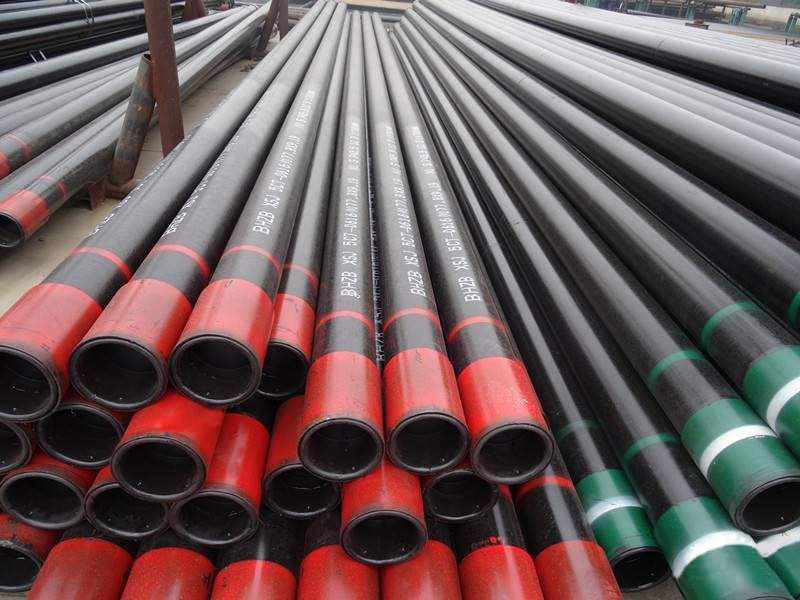
Oil casing pipes are tubular structures made from steel or other durable materials designed specifically for use in drilling and completing oil wells. These pipes are installed in the wellbore, creating a barrier between the well and the surrounding geological formations. Their primary function is to support the well and prevent the influx of fluids and gases that could compromise safety and operational efficiency.
The Production Process of Oil Casing Pipes
The production of oil casing pipes involves a series of meticulous steps, each contributing to the final product's durability and reliability.
Material Selection for Casing Pipes
Choosing the right materials is crucial for the production of oil casing pipes. Typically, **carbon steel** is the preferred choice due to its strength and cost-effectiveness. Various grades of steel, such as API 5CT, are utilized to meet specific requirements, including resistance to corrosion and pressure.
Manufacturing Process: Steps and Techniques
The manufacturing process for oil casing pipes includes several key stages:
1. **Steel Production**: Raw iron ore is processed into steel using various methods, including the Basic Oxygen Process or Electric Arc Furnace method.
2. **Hot Rolling**: The steel is heated and rolled into the desired pipe shape. Hot rolling ensures that the pipes achieve the necessary dimensions and mechanical properties.
3. **Cold Working**: Some pipes undergo cold working processes to enhance their strength and durability. This involves deforming the material at room temperature.
4. **Heat Treatment**: Heat treatment processes, such as quenching and tempering, are applied to improve the mechanical properties of the pipes, making them suitable for demanding applications.
Quality Control in Pipe Production
Quality control is an integral part of the production process. Rigorous testing protocols, including non-destructive testing (NDT), are employed to ensure that the pipes meet industry standards. This includes checking for defects, measuring wall thickness, and ensuring proper dimensions.
Installation and Use of Oil Casing Pipes
Once produced, oil casing pipes are ready for installation in the field. Proper installation techniques are essential to maximize their lifespan and performance.
Installation Techniques for Optimal Performance
During installation, the following techniques are commonly employed:
- **Borehole Preparation**: The drilling process first creates a borehole, which is then prepared for the insertion of casing pipes.
- **Casing Running**: Casing pipes are lowered into the borehole using specialized equipment, ensuring they are aligned correctly.
- **Cementing**: Once the casing is in place, cement is pumped into the annulus between the casing and the borehole, providing additional support and sealing off any potential pathways for fluid migration.
Performance in the Field: Challenges and Solutions
Oil casing pipes face numerous challenges in the field, including corrosion, pressure fluctuations, and mechanical stresses. Regular monitoring and maintenance are necessary to address these issues effectively.
Maintenance Requirements for Longevity
The longevity of oil casing pipes greatly depends on regular maintenance. This includes:
- **Inspections**: Regular visual and NDT inspections help identify any wear or damage early.
- **Corrosion Protection**: Applying protective coatings and cathodic protection systems can extend the life of the pipes.
- **Well Integrity Testing**: Conducting periodic well integrity tests ensures that the casing remains secure and functional throughout its lifecycle.
End-of-Life Options for Oil Casing Pipes
At the end of their operational life, oil casing pipes must be disposed of responsibly to minimize environmental impact.
Recycling and Reuse of Casing Pipes
One of the most sustainable options for disposing of oil casing pipes is recycling. Steel casing pipes can be melted down and repurposed for new products, reducing the need for virgin materials. Additionally, some pipes may be reused in other applications or projects, extending their lifecycle.
Disposal Methods: Best Practices and Regulations
When recycling or reusing is not feasible, disposal must align with environmental regulations. Methods such as landfill disposal should be a last resort. Properly documenting the disposal process is essential to maintain compliance with local and federal regulations.
Environmental Considerations in Pipe Lifecycle
The lifecycle of oil casing pipes is intertwined with environmental considerations. Sustainable practices in production, installation, maintenance, and disposal can significantly reduce the industry's ecological footprint. Implementing measures such as reducing emissions during production, minimizing waste, and employing recycling programs can help achieve a more sustainable operation.
Conclusion
The lifecycle of oil casing pipes encompasses a complex journey from production to final disposal. Each stage plays a critical role in ensuring the pipes' effectiveness and environmental impact. As the industry progresses, embracing sustainable practices becomes essential to protect our natural resources while meeting the demands of energy consumption. By focusing on innovation in materials, manufacturing, and disposal, we can pave the way for a more sustainable future in the oil and gas sector.
FAQs About Oil Casing Pipes
1. What is the primary purpose of oil casing pipes?
The primary purpose of oil casing pipes is to provide structural integrity to the wellbore, prevent soil collapse, and protect groundwater from contamination.
2. What materials are used in the production of oil casing pipes?
Oil casing pipes are primarily made from carbon steel, with various grades tailored to meet specific requirements.
3. How are oil casing pipes installed?
Oil casing pipes are installed through a process that includes borehole preparation, casing running, and cementing to secure the pipes in place.
4. What maintenance is required to extend the life of oil casing pipes?
Maintenance includes regular inspections, applying corrosion protection, and conducting well integrity tests.
5. What are the end-of-life options for oil casing pipes?
End-of-life options include recycling, reuse, and compliant disposal methods to minimize environmental impact.
Key words:

Contact
E-mail:
Add:
Hope New District, Mengcun Hui Autonomous County,
Cangzhou City, Hebei Province


PRODUCT SEARCH
Search And Quickly Find The Products You Need
The main products include oil pipeline pipes, oil casing and various specifications of GB/T8162 structural pipes, GB8/T163 fluid pipes, GB/T3087 low and medium pressure boiler pipes, G/TB5310 high pressure boiler pipes, GB/T6479 fertilizer special pipes, etc.