
Understanding Oil Tubing Pipe: Essential Insights for the Construction Industry
Oil tubing pipes are integral components in various pipeline systems, particularly in the construction and decoration materials industry. These pipes are primarily designed to transport fluids, including oil and gas, making them essential for ensuring efficiency and safety in numerous applications. Understanding the characteristics and uses of oil tubing pipes can significantly enhance their appli
Apr 02,2026

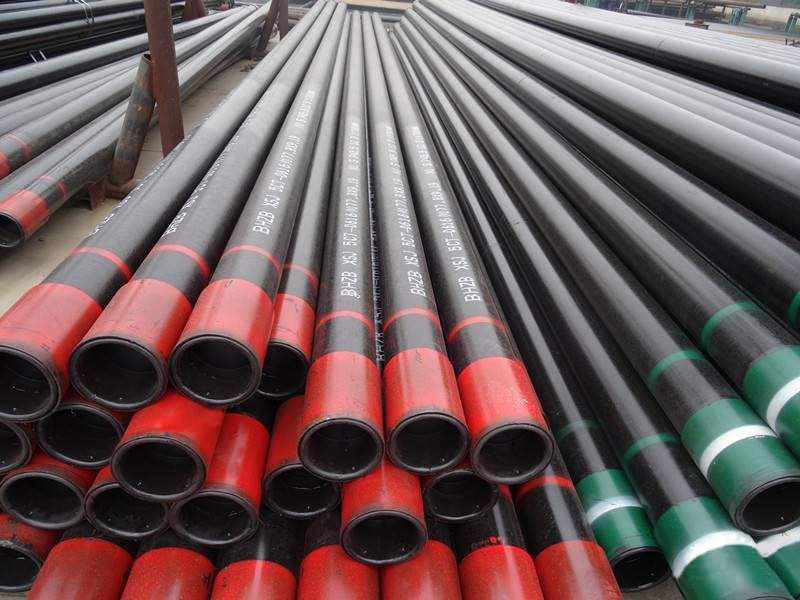
Oil tubing pipes are integral components in various pipeline systems, particularly in the construction and decoration materials industry. These pipes are primarily designed to transport fluids, including oil and gas, making them essential for ensuring efficiency and safety in numerous applications. Understanding the characteristics and uses of oil tubing pipes can significantly enhance their application in building projects.
Firstly, oil tubing pipes are typically made from high-strength materials to withstand the pressures associated with transporting fluids. They are often constructed from carbon steel or stainless steel, depending on the specific requirements of the project. The choice of material is crucial, as it determines the pipe's durability, resistance to corrosion, and overall performance in harsh environments.
Moreover, the design of oil tubing pipes is optimized for high-pressure conditions, which is particularly important in oil and gas extraction and transportation. These pipes are available in various sizes and thicknesses, allowing for customization based on the specific needs of the construction project. Selecting the appropriate dimensions is vital to ensure that the system can handle the expected flow rates and pressures without compromising safety.
Another key aspect of oil tubing pipes is their versatility. In addition to oil and gas applications, these pipes can also be used in other sectors, such as water and wastewater management. Their ability to handle various types of fluids makes them an invaluable asset in a range of pipeline systems, expanding their use beyond traditional applications.
When considering oil tubing pipes for your construction project, it is essential to ensure compliance with industry standards and regulations. These standards are in place to guarantee that the pipes meet safety and performance criteria, which is particularly important in environments where high pressures and hazardous materials are involved. It is advisable to consult with industry professionals to determine the best practices for selecting and installing oil tubing pipes.
Additionally, proper maintenance of oil tubing pipes is critical for sustaining their longevity and functionality. Regular inspections and timely repairs can prevent leaks and failures, ultimately reducing downtime and maintenance costs in construction projects.
In conclusion, oil tubing pipes play a crucial role in the construction and decoration materials industry, particularly in pipeline systems. Understanding their material properties, design specifications, and regulatory compliance will ensure their effective application in various projects. By prioritizing quality and maintenance, industry professionals can leverage the advantages of oil tubing pipes to enhance the overall efficiency and safety of pipeline systems.
Firstly, oil tubing pipes are typically made from high-strength materials to withstand the pressures associated with transporting fluids. They are often constructed from carbon steel or stainless steel, depending on the specific requirements of the project. The choice of material is crucial, as it determines the pipe's durability, resistance to corrosion, and overall performance in harsh environments.
Moreover, the design of oil tubing pipes is optimized for high-pressure conditions, which is particularly important in oil and gas extraction and transportation. These pipes are available in various sizes and thicknesses, allowing for customization based on the specific needs of the construction project. Selecting the appropriate dimensions is vital to ensure that the system can handle the expected flow rates and pressures without compromising safety.
Another key aspect of oil tubing pipes is their versatility. In addition to oil and gas applications, these pipes can also be used in other sectors, such as water and wastewater management. Their ability to handle various types of fluids makes them an invaluable asset in a range of pipeline systems, expanding their use beyond traditional applications.
When considering oil tubing pipes for your construction project, it is essential to ensure compliance with industry standards and regulations. These standards are in place to guarantee that the pipes meet safety and performance criteria, which is particularly important in environments where high pressures and hazardous materials are involved. It is advisable to consult with industry professionals to determine the best practices for selecting and installing oil tubing pipes.
Additionally, proper maintenance of oil tubing pipes is critical for sustaining their longevity and functionality. Regular inspections and timely repairs can prevent leaks and failures, ultimately reducing downtime and maintenance costs in construction projects.
In conclusion, oil tubing pipes play a crucial role in the construction and decoration materials industry, particularly in pipeline systems. Understanding their material properties, design specifications, and regulatory compliance will ensure their effective application in various projects. By prioritizing quality and maintenance, industry professionals can leverage the advantages of oil tubing pipes to enhance the overall efficiency and safety of pipeline systems.
Key words:


Contact
E-mail:
Add:
Hope New District, Mengcun Hui Autonomous County,
Cangzhou City, Hebei Province


PRODUCT SEARCH
Search And Quickly Find The Products You Need
The main products include oil pipeline pipes, oil casing and various specifications of GB/T8162 structural pipes, GB8/T163 fluid pipes, GB/T3087 low and medium pressure boiler pipes, G/TB5310 high pressure boiler pipes, GB/T6479 fertilizer special pipes, etc.