
Understanding Oil Line Pipes: Key Considerations for the Construction Industry
Oil line pipes play a crucial role in numerous applications, particularly within the construction and decorative materials sectors. These pipes are designed to transport oil and other fluids safely, efficiently, and reliably. Understanding their specifications, materials, and installation processes can greatly enhance project outcomes and ensure compliance with industry standards.
One of the prima
Mar 31,2026
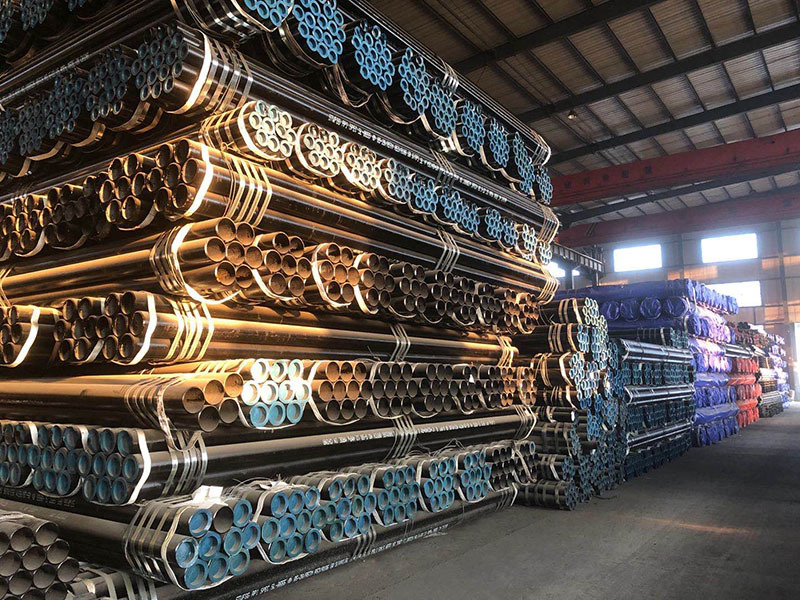
Oil line pipes play a crucial role in numerous applications, particularly within the construction and decorative materials sectors. These pipes are designed to transport oil and other fluids safely, efficiently, and reliably. Understanding their specifications, materials, and installation processes can greatly enhance project outcomes and ensure compliance with industry standards.
One of the primary considerations when selecting oil line pipes is the material composition. Common materials include steel, plastic, and copper, each with distinct properties that cater to specific environments and applications. Steel pipes offer durability and strength, making them suitable for high-pressure applications. On the other hand, plastic pipes are lightweight and resistant to corrosion, which can be beneficial in less demanding conditions. Copper pipes, while not as common in large-scale applications, provide excellent thermal conductivity and may be utilized in specialized scenarios.
The design and construction of oil line pipes must also account for factors such as pressure ratings and temperature tolerance. It is crucial to select pipes that can withstand the operational pressures they will encounter, as well as potential temperature fluctuations that may affect the integrity of the pipe material over time. Proper installation techniques, including the use of appropriate fittings and seals, are necessary to prevent leaks and ensure the longevity of the pipeline system.
In addition to material selection and installation, maintaining oil line pipes is vital for their ongoing performance. Regular inspection and maintenance routines should be established to identify and rectify any potential issues before they escalate. This may involve checking for signs of wear, corrosion, or blockages, as well as ensuring that connections remain secure and leak-free. Implementing a proactive maintenance strategy not only extends the life of the pipes but also minimizes operational disruptions and enhances safety.
Furthermore, understanding local regulations and standards related to oil line pipes is paramount. Compliance with these guidelines ensures that all installations meet safety and environmental requirements, ultimately protecting both the project and its stakeholders. Construction professionals should stay informed about any changes in legislation that may affect their projects, particularly those pertaining to the handling and transportation of oil and hazardous materials.
In conclusion, oil line pipes are integral to various construction applications, and a thorough understanding of their characteristics and requirements is essential for industry professionals. By focusing on material specifications, installation best practices, maintenance strategies, and regulatory compliance, stakeholders can ensure that their oil line pipe systems operate efficiently and safely, contributing to the overall success of their projects.
One of the primary considerations when selecting oil line pipes is the material composition. Common materials include steel, plastic, and copper, each with distinct properties that cater to specific environments and applications. Steel pipes offer durability and strength, making them suitable for high-pressure applications. On the other hand, plastic pipes are lightweight and resistant to corrosion, which can be beneficial in less demanding conditions. Copper pipes, while not as common in large-scale applications, provide excellent thermal conductivity and may be utilized in specialized scenarios.
The design and construction of oil line pipes must also account for factors such as pressure ratings and temperature tolerance. It is crucial to select pipes that can withstand the operational pressures they will encounter, as well as potential temperature fluctuations that may affect the integrity of the pipe material over time. Proper installation techniques, including the use of appropriate fittings and seals, are necessary to prevent leaks and ensure the longevity of the pipeline system.
In addition to material selection and installation, maintaining oil line pipes is vital for their ongoing performance. Regular inspection and maintenance routines should be established to identify and rectify any potential issues before they escalate. This may involve checking for signs of wear, corrosion, or blockages, as well as ensuring that connections remain secure and leak-free. Implementing a proactive maintenance strategy not only extends the life of the pipes but also minimizes operational disruptions and enhances safety.
Furthermore, understanding local regulations and standards related to oil line pipes is paramount. Compliance with these guidelines ensures that all installations meet safety and environmental requirements, ultimately protecting both the project and its stakeholders. Construction professionals should stay informed about any changes in legislation that may affect their projects, particularly those pertaining to the handling and transportation of oil and hazardous materials.
In conclusion, oil line pipes are integral to various construction applications, and a thorough understanding of their characteristics and requirements is essential for industry professionals. By focusing on material specifications, installation best practices, maintenance strategies, and regulatory compliance, stakeholders can ensure that their oil line pipe systems operate efficiently and safely, contributing to the overall success of their projects.
Key words:


Contact
E-mail:
Add:
Hope New District, Mengcun Hui Autonomous County,
Cangzhou City, Hebei Province


PRODUCT SEARCH
Search And Quickly Find The Products You Need
The main products include oil pipeline pipes, oil casing and various specifications of GB/T8162 structural pipes, GB8/T163 fluid pipes, GB/T3087 low and medium pressure boiler pipes, G/TB5310 high pressure boiler pipes, GB/T6479 fertilizer special pipes, etc.