
Innovations in Seamless Pipe Technology for Oil Pipeline Systems: Revolutionizing the Future of Pipeline Infrastructure
Mar 30,2026
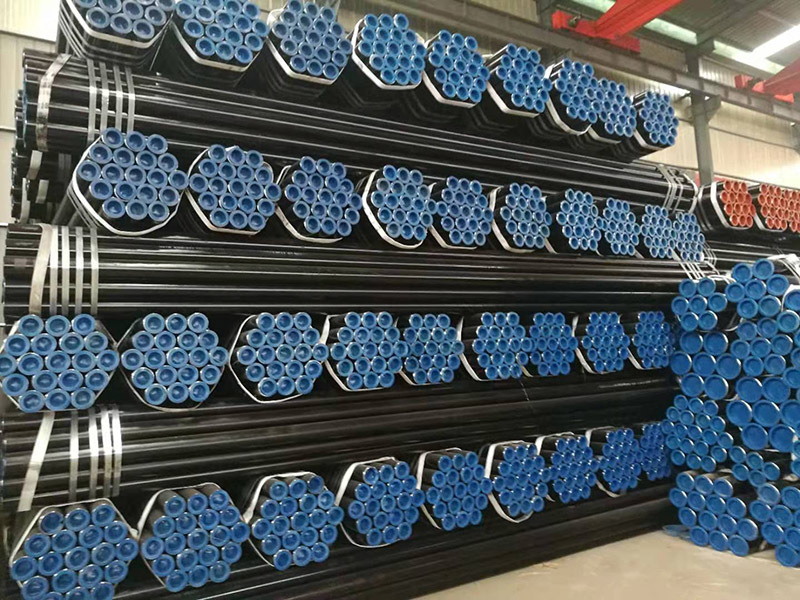
Innovations in Seamless Pipe Technology for Oil Pipeline Systems
As the demand for oil continues to rise globally, the need for advanced pipeline infrastructure has never been more critical. **Seamless pipe technology** is at the forefront of this evolution, offering unparalleled benefits in durability, safety, and efficiency. This article explores the latest innovations in seamless pipe technology within oil pipeline systems, shedding light on how these advancements are revolutionizing the sector.
Table of Contents
- 1. Introduction to Seamless Pipe Technology
- 2. Importance of Seamless Pipes in Oil Pipeline Systems
- 3. The Manufacturing Process of Seamless Pipes
- 4. Material Innovations Enhancing Seamless Pipes
- 5. Technological Advancements in Seamless Pipe Production
- 6. Safety Standards and Regulations for Oil Pipelines
- 7. Environmental Impact of Seamless Pipe Technology
- 8. Future Trends in Seamless Pipe Technology
- 9. FAQs About Seamless Pipe Technology
- 10. Conclusion
1. Introduction to Seamless Pipe Technology
Seamless pipes have gained significant traction in various industries, particularly in oil and gas. Unlike welded pipes, seamless pipes are manufactured from a solid round billet and are shaped through a series of processes, resulting in a uniform, high-quality product. **The absence of seams** allows for higher pressure tolerances and minimizes the risk of leaks, making seamless pipes a preferred choice for transporting oil across vast distances.
2. Importance of Seamless Pipes in Oil Pipeline Systems
The efficacy of an oil pipeline system relies heavily on the materials used. Seamless pipes play a crucial role in ensuring the integrity and reliability of these systems. With their enhanced strength and resistance to corrosive environments, seamless pipes can withstand the harsh conditions prevalent in oil transportation.
Durability and Strength
Seamless pipes exhibit superior mechanical properties, which translate into higher durability and strength. This is essential for withstanding the significant pressures and stresses encountered during oil transportation. **In addition,** seamless pipes are less susceptible to damage from external forces, making them ideal for various terrains.
Leak Prevention
One of the primary concerns in oil pipeline systems is leak prevention. Seamless pipes, due to their continuous structure, offer a reduced likelihood of leaks compared to welded pipes. This characteristic not only enhances the safety of oil transportation but also minimizes environmental risks.
3. The Manufacturing Process of Seamless Pipes
The manufacturing of seamless pipes involves several sophisticated processes, each contributing to the final product's quality. The main steps include:
Billet Heating
The process begins with heating the solid round billet to a temperature exceeding 1,000 degrees Celsius. This heating allows the metal to become malleable and ready for shaping.
Piercing
Once heated, the billet undergoes piercing using a hollow mandrel, creating a tube that retains the original metal properties while forming a seamless structure.
Elongation and Sizing
The pierced tube is then elongated and sized through various methods such as rotary piercing. This ensures the pipe meets specific diameter and length requirements.
Heat Treatment and Finishing
After shaping, the pipe undergoes heat treatment to enhance its mechanical properties. Final finishing processes, including cutting and surface treatment, ensure the pipe is ready for use.
4. Material Innovations Enhancing Seamless Pipes
Recent advancements in materials used for seamless pipes have propelled the oil industry forward. New alloys and composite materials are being introduced to improve performance.
High-Strength Alloys
The introduction of **high-strength alloys** has led to pipes that can withstand higher pressures and corrosive environments. These alloys are specifically designed to carry heavy loads and resist wear and tear.
Corrosion-Resistant Materials
Corrosion resistance is paramount in oil pipelines. Innovations in **coating technologies** and the use of corrosion-resistant materials have drastically improved the lifespan of seamless pipes, reducing maintenance costs and downtime.
5. Technological Advancements in Seamless Pipe Production
Technological innovations in the production of seamless pipes have streamlined the manufacturing process, increasing efficiency and reducing costs.
Automation in Production
The integration of automation in seamless pipe manufacturing has led to enhanced precision and reduced human error. Automated systems allow for real-time monitoring and adjustments, resulting in a more reliable final product.
Advanced Testing Methods
Innovations in testing technologies have also improved the quality assurance processes for seamless pipes. Techniques such as non-destructive testing (NDT) ensure that pipes meet the highest safety and quality standards before being deployed in the field.
6. Safety Standards and Regulations for Oil Pipelines
Ensuring the safety of oil pipeline systems is a top priority for the industry. Numerous standards and regulations govern the manufacturing and installation of seamless pipes.
International Standards Compliance
Seamless pipes must comply with various international standards, including those set by ASTM and ISO. These standards dictate the material properties, manufacturing processes, and testing protocols that ensure the reliability of seamless pipes.
Regular Inspections and Maintenance
Routine inspections and maintenance play a crucial role in maintaining pipeline integrity. Advanced monitoring technologies help in detecting potential issues before they escalate, ensuring a secure and efficient oil transportation system.
7. Environmental Impact of Seamless Pipe Technology
The environmental implications of oil transportation are significant. Innovations in seamless pipe technology are contributing to minimizing these impacts.
Reduced Carbon Footprint
Seamless pipes, due to their efficiency and durability, contribute to a lower carbon footprint in oil transportation. By reducing the likelihood of leaks and failures, they help mitigate environmental contamination.
Eco-Friendly Manufacturing Practices
The adoption of eco-friendly manufacturing practices in the production of seamless pipes significantly reduces waste and energy consumption. This commitment to sustainability is becoming increasingly important in today's environmentally conscious market.
8. Future Trends in Seamless Pipe Technology
The future of seamless pipe technology looks promising, with several trends emerging that are likely to shape the industry.
Smart Pipes
The introduction of **smart pipe technology** is on the horizon, incorporating sensors and IoT capabilities to monitor pipe conditions in real-time. This innovation will enable predictive maintenance, further enhancing the reliability of oil pipeline systems.
Enhanced Materials Research
Ongoing research into new materials will continue to push the boundaries of seamless pipe technology, leading to even stronger and more durable products that can withstand the harshest conditions.
9. FAQs About Seamless Pipe Technology
What is seamless pipe technology?
Seamless pipe technology refers to the manufacturing process in which pipes are produced without welded seams, resulting in a stronger and more reliable product.
What are the advantages of seamless pipes over welded pipes?
Seamless pipes offer superior durability, higher pressure tolerances, and a reduced risk of leaks compared to welded pipes, making them ideal for oil transportation.
How is seamless pipe manufactured?
Seamless pipes are manufactured through processes that include heating, piercing, elongation, and heat treatment, resulting in high-quality pipe products.
Are seamless pipes environmentally friendly?
Yes, seamless pipes are often made with eco-friendly practices and materials, helping to reduce the environmental impact associated with oil transportation.
What future trends should we expect in seamless pipe technology?
Future trends include the development of smart pipes with IoT capabilities and ongoing research into new materials that enhance performance and durability.
10. Conclusion
In conclusion, the **innovations in seamless pipe technology** are set to revolutionize oil pipeline systems. By offering enhanced durability, safety, and environmental sustainability, seamless pipes are paving the way for a more efficient future in oil transportation. As we continue to embrace technological advancements and material innovations, the oil and gas industry can look forward to a more reliable and secure pipeline infrastructure that meets the demands of a growing global market.
Key words:


Contact
E-mail:
Add:
Hope New District, Mengcun Hui Autonomous County,
Cangzhou City, Hebei Province


PRODUCT SEARCH
Search And Quickly Find The Products You Need
The main products include oil pipeline pipes, oil casing and various specifications of GB/T8162 structural pipes, GB8/T163 fluid pipes, GB/T3087 low and medium pressure boiler pipes, G/TB5310 high pressure boiler pipes, GB/T6479 fertilizer special pipes, etc.