
Understanding Oil Casing Pipes: Essential Components in Pipeline Systems
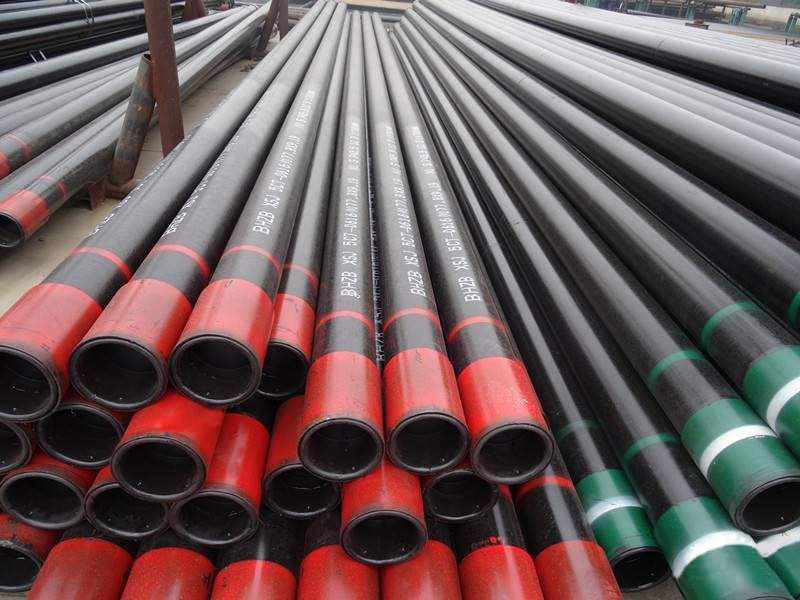
Oil casing pipes are critical components within the construction and decorative materials industry, particularly in pipeline systems. These pipes play a significant role in the oil and gas exploration and production process, as well as in various other applications requiring reliability and durability.
An oil casing pipe is designed to line the borehole of an oil well, providing structural integri
Feb 04,2026

Oil casing pipes are critical components within the construction and decorative materials industry, particularly in pipeline systems. These pipes play a significant role in the oil and gas exploration and production process, as well as in various other applications requiring reliability and durability.
An oil casing pipe is designed to line the borehole of an oil well, providing structural integrity and preventing collapse during drilling operations. These pipes are installed after the drilling reaches the desired depth, and they serve multiple purposes: they isolate the well from surrounding formations, protect groundwater and other resources, and provide a conduit for oil and gas to flow to the surface.
The manufacturing of oil casing pipes typically involves high-strength steel, which is essential for withstanding the intense pressures and corrosive environments encountered during drilling. Various specifications and standards govern the production of these pipes, ensuring they meet the rigorous demands of the industry. The American Petroleum Institute (API) sets forth guidelines for casing pipe grades, emphasizing the importance of material quality and performance.
In terms of sizing, oil casing pipes come in different diameters and thicknesses, tailored to specific geological conditions and operational requirements. Common grades include H40, J55, K55, and L80, each varying in tensile strength and yield point. Selecting the appropriate grade and size of casing pipe is crucial for maintaining well integrity and optimizing production efficiency.
Beyond their primary function in oil and gas applications, oil casing pipes are also utilized in various construction projects, particularly those involving deep foundations or underground infrastructure. Their robust design and resistance to environmental factors make them suitable for a range of uses, including water wells and geothermal energy systems.
Proper installation and maintenance of oil casing pipes are equally important. Adhering to installation guidelines ensures that the pipes are securely positioned and can perform effectively throughout their service life. Furthermore, routine inspections and assessments can help identify any potential issues, such as corrosion or deformation, allowing for timely interventions to prevent failures.
In summary, oil casing pipes are indispensable in the construction and pipeline systems industry. Their structural integrity, material quality, and adherence to industry standards are paramount for the successful extraction of oil and gas, as well as for the safety and longevity of various construction projects. Understanding the specifications and applications of oil casing pipes empowers professionals to make informed decisions, ensuring the effectiveness and reliability of their projects.
An oil casing pipe is designed to line the borehole of an oil well, providing structural integrity and preventing collapse during drilling operations. These pipes are installed after the drilling reaches the desired depth, and they serve multiple purposes: they isolate the well from surrounding formations, protect groundwater and other resources, and provide a conduit for oil and gas to flow to the surface.
The manufacturing of oil casing pipes typically involves high-strength steel, which is essential for withstanding the intense pressures and corrosive environments encountered during drilling. Various specifications and standards govern the production of these pipes, ensuring they meet the rigorous demands of the industry. The American Petroleum Institute (API) sets forth guidelines for casing pipe grades, emphasizing the importance of material quality and performance.
In terms of sizing, oil casing pipes come in different diameters and thicknesses, tailored to specific geological conditions and operational requirements. Common grades include H40, J55, K55, and L80, each varying in tensile strength and yield point. Selecting the appropriate grade and size of casing pipe is crucial for maintaining well integrity and optimizing production efficiency.
Beyond their primary function in oil and gas applications, oil casing pipes are also utilized in various construction projects, particularly those involving deep foundations or underground infrastructure. Their robust design and resistance to environmental factors make them suitable for a range of uses, including water wells and geothermal energy systems.
Proper installation and maintenance of oil casing pipes are equally important. Adhering to installation guidelines ensures that the pipes are securely positioned and can perform effectively throughout their service life. Furthermore, routine inspections and assessments can help identify any potential issues, such as corrosion or deformation, allowing for timely interventions to prevent failures.
In summary, oil casing pipes are indispensable in the construction and pipeline systems industry. Their structural integrity, material quality, and adherence to industry standards are paramount for the successful extraction of oil and gas, as well as for the safety and longevity of various construction projects. Understanding the specifications and applications of oil casing pipes empowers professionals to make informed decisions, ensuring the effectiveness and reliability of their projects.
Key words:

Contact
E-mail:
Add:
Hope New District, Mengcun Hui Autonomous County,
Cangzhou City, Hebei Province


PRODUCT SEARCH
Search And Quickly Find The Products You Need
The main products include oil pipeline pipes, oil casing and various specifications of GB/T8162 structural pipes, GB8/T163 fluid pipes, GB/T3087 low and medium pressure boiler pipes, G/TB5310 high pressure boiler pipes, GB/T6479 fertilizer special pipes, etc.