
Exploring the Benefits of High-Quality Oil Tubing Pipe in Infrastructure
Exploring the Benefits of High-Quality Oil Tubing Pipe in Infrastructure
Table of Contents
1. Introduction to Oil Tubing Pipes
2. The Importance of High-Quality Oil Tubing in Infrastructure
3. Durability and Longevity of Quality Oil Tubing Pipes
4. Enhancing Efficiency with High-Quality Oil Tubing
5. Diverse Applications of Oil Tubing Pipes
6. Regulatory Compliance and Saf
Feb 03,2026

Exploring the Benefits of High-Quality Oil Tubing Pipe in Infrastructure
Table of Contents
- 1. Introduction to Oil Tubing Pipes
- 2. The Importance of High-Quality Oil Tubing in Infrastructure
- 3. Durability and Longevity of Quality Oil Tubing Pipes
- 4. Enhancing Efficiency with High-Quality Oil Tubing
- 5. Diverse Applications of Oil Tubing Pipes
- 6. Regulatory Compliance and Safety Standards
- 7. Cost-Benefit Analysis: Investing in Quality
- 8. The Future of Oil Tubing Pipes in Infrastructure
- 9. Frequently Asked Questions
- 10. Conclusion
1. Introduction to Oil Tubing Pipes
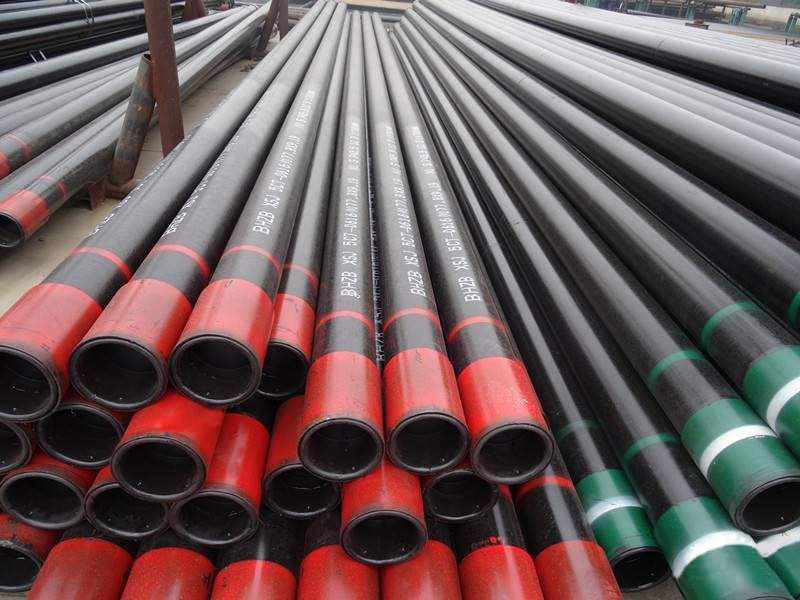
High-quality oil tubing pipes play a pivotal role in the infrastructure of the oil and gas industry. These pipes serve as the backbone for transporting crude oil, natural gas, and other petroleum products from extraction sites to refineries and distribution centers. The choice of tubing material significantly impacts the efficiency, safety, and sustainability of energy delivery systems. In this article, we will explore the myriad benefits of opting for high-quality oil tubing pipes, ensuring a deeper understanding of their significance in modern infrastructure.
2. The Importance of High-Quality Oil Tubing in Infrastructure
The integrity of infrastructure heavily relies on the materials used within it. High-quality oil tubing pipes are manufactured to withstand extreme pressures and varying temperatures, making them essential for safe and efficient operations. The importance of these pipes can be summarized as follows:
2.1 Reliability
When dealing with hazardous materials such as oil and gas, reliability is non-negotiable. High-quality tubing provides peace of mind, knowing that it can handle the demands of the environment without risking leaks or failures.
2.2 Safety
The safety of workers and the surrounding environment is paramount. High-quality pipes are designed to minimize risks associated with spills, explosions, and other dangerous incidents, adhering to stringent safety protocols.
3. Durability and Longevity of Quality Oil Tubing Pipes
Durability is one of the standout features of high-quality oil tubing pipes. These pipes undergo rigorous testing and are built from superior materials that enhance their longevity. Key factors contributing to their durability include:
3.1 Resistance to Corrosion
Many high-quality oil tubing pipes are coated or made from corrosion-resistant materials. This ensures that they can endure exposure to harsh environmental conditions without succumbing to rust or degradation.
3.2 Stress Resistance
High-quality tubing can withstand significant pressure and stress, reducing the likelihood of structural failures. This is particularly important in high-pressure applications, where the consequences of failure can be catastrophic.
3.3 Longevity
Investing in high-quality oil tubing pipes translates to a longer lifespan. This not only reduces the need for frequent replacements but also lowers maintenance costs over time.
4. Enhancing Efficiency with High-Quality Oil Tubing
Efficiency in oil and gas transport is crucial for maximizing productivity and profitability. High-quality oil tubing pipes contribute to operational efficiency in several ways:
4.1 Improved Flow Rates
Quality tubing is designed to minimize friction, allowing for improved flow rates of oil and gas. This efficiency leads to faster transportation times and higher output.
4.2 Reduced Maintenance Interruptions
With high-quality materials, the frequency of maintenance interruptions is significantly reduced. This ensures that operations can continue smoothly without unexpected downtime.
4.3 Enhanced Performance
The performance of oil and gas systems is directly tied to the quality of the tubing used. High-quality pipes ensure that systems operate at their best, contributing to overall productivity.
5. Diverse Applications of Oil Tubing Pipes
High-quality oil tubing pipes find applications across various sectors within the oil and gas industry, including:
5.1 Exploration and Production
In exploration and drilling operations, high-quality tubing is essential for transporting crude oil and gas from deep underground reservoirs to the surface. Their durability ensures safe transportation under extreme conditions.
5.2 Refinery Operations
Once oil is extracted, it must be transported to refineries. High-quality tubing pipes facilitate efficient and safe transfer during this critical phase of production.
5.3 Distribution Networks
In distribution systems, quality oil tubing pipes play a crucial role in transporting refined products to consumers, ensuring that they reach their destinations safely and reliably.
6. Regulatory Compliance and Safety Standards
Adhering to regulatory compliance and safety standards is non-negotiable in the oil and gas industry. High-quality oil tubing pipes are manufactured to meet or exceed these stringent requirements, ensuring:
6.1 Environmental Protection
By investing in quality materials, companies can significantly reduce their environmental footprint. Quality tubing minimizes the risk of leaks and spills, protecting ecosystems and communities.
6.2 Worker Safety
High-quality tubing contributes to the overall safety of workers involved in oil and gas operations. Ensuring that the materials used are up to standard is vital in protecting personnel from hazardous working conditions.
7. Cost-Benefit Analysis: Investing in Quality
While high-quality oil tubing pipes may come with a higher upfront cost, conducting a cost-benefit analysis reveals the long-term advantages of this investment.
7.1 Reduced Replacement Costs
Quality tubing has a longer lifespan, leading to lower replacement costs over time. This investment pays off as companies can allocate resources to other critical areas of operation.
7.2 Decreased Maintenance Expenses
With quality materials, the need for frequent maintenance is reduced, resulting in significant savings in maintenance expenses. This allows for a more streamlined operational budget.
7.3 Enhanced Profitability
Ultimately, the efficiency and reliability provided by high-quality oil tubing contribute to increased profitability. Reduced downtime and improved flow rates translate to a healthier bottom line for companies.
8. The Future of Oil Tubing Pipes in Infrastructure
As the oil and gas industry evolves, the role of high-quality oil tubing pipes will continue to expand. Emerging trends include:
8.1 Technological Advancements
With advancements in manufacturing technology, the production of oil tubing pipes will become even more efficient and cost-effective, allowing for the development of even higher-quality materials.
8.2 Sustainable Practices
The industry is shifting towards more sustainable practices, and high-quality tubing will play a crucial role in reducing environmental impact, ensuring that companies remain compliant with evolving regulations.
8.3 Integration of Smart Technologies
The integration of smart technologies in oil tubing pipes will enhance monitoring capabilities, allowing for real-time assessments of performance and safety, thus improving operational efficiency.
9. Frequently Asked Questions
9.1 What materials are used to manufacture high-quality oil tubing pipes?
High-quality oil tubing pipes are often made from carbon steel or stainless steel, which provide excellent resistance to corrosion, pressure, and stress.
9.2 How do I choose the right oil tubing pipe for my project?
Selecting the right oil tubing pipe involves considering factors such as the type of fluid being transported, pressure requirements, and environmental conditions.
9.3 Are high-quality oil tubing pipes worth the investment?
Yes, high-quality oil tubing pipes typically lead to lower maintenance costs, reduced replacement frequency, and enhanced operational efficiency, making them a wise investment for long-term use.
9.4 What are the safety standards for oil tubing pipes?
Safety standards for oil tubing pipes are dictated by industry regulations, which focus on factors such as material quality, pressure ratings, and environmental safety.
9.5 How often should oil tubing pipes be inspected?
Regular inspections should be conducted at least annually, or more frequently in high-risk environments, to ensure that the pipes are functioning properly and safely.
10. Conclusion
In the realm of oil and gas infrastructure, the benefits of utilizing high-quality oil tubing pipes cannot be overstated. From enhancing safety and reliability to improving operational efficiency and reducing long-term costs, these pipes are an essential component of successful energy transport systems. As we move forward, investing in quality materials will not only support sustainable practices but also align with the industry's ongoing evolution towards greater safety and efficiency. Embracing high-quality oil tubing pipes is a strategic step toward building a robust and resilient infrastructure for the future.
Key words:


Contact
E-mail:
Add:
Hope New District, Mengcun Hui Autonomous County,
Cangzhou City, Hebei Province


PRODUCT SEARCH
Search And Quickly Find The Products You Need
The main products include oil pipeline pipes, oil casing and various specifications of GB/T8162 structural pipes, GB8/T163 fluid pipes, GB/T3087 low and medium pressure boiler pipes, G/TB5310 high pressure boiler pipes, GB/T6479 fertilizer special pipes, etc.