
The Versatility and Applications of Steel Line Pipes in Construction
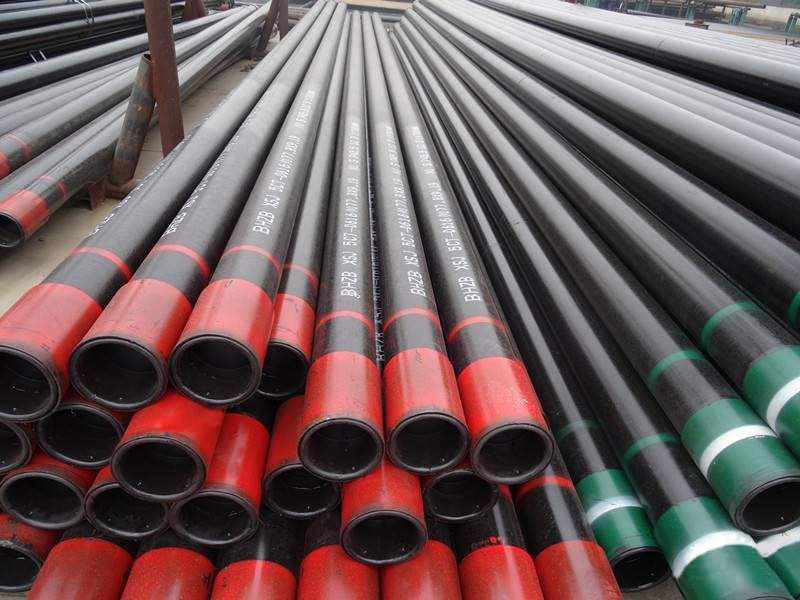
Steel line pipes are essential components within the building and decoration materials sector, particularly in various piping systems. Their robust properties and versatility make them ideal for a wide range of applications, ensuring they meet the demanding needs of modern construction projects. This article delves into the technical specifications, advantages, and applications of steel line pipes
Jan 19,2026

Steel line pipes are essential components within the building and decoration materials sector, particularly in various piping systems. Their robust properties and versatility make them ideal for a wide range of applications, ensuring they meet the demanding needs of modern construction projects. This article delves into the technical specifications, advantages, and applications of steel line pipes, providing valuable insights for professionals in the industry.
One of the core attributes of steel line pipes is their strength. Made from high-quality steel, these pipes exhibit excellent tensile strength and durability, allowing them to withstand high pressures and extreme environmental conditions. This makes them particularly suitable for transporting fluids, gases, and other materials in both residential and industrial applications. Their ability to perform under high stress conditions enhances their reliability, making them a preferred choice for engineers and contractors alike.
In addition to their strength, steel line pipes offer remarkable resistance to corrosion. Various coatings or treatments, such as galvanization or epoxy lining, can be applied to further enhance their corrosion resistance. This property is crucial in ensuring the longevity of the piping system, particularly in harsh environments where exposure to moisture and chemicals is a concern. Moreover, the longevity of steel line pipes translates to reduced maintenance costs over time, making them a cost-effective solution for many projects.
Steel line pipes are also known for their versatility. They can be tailored to accommodate different diameters and wall thicknesses, allowing them to fit various applications and requirements. Whether used in water distribution systems, natural gas pipelines, or structural applications, their adaptability makes them an integral part of modern infrastructure. Additionally, the ease of fabrication and installation of steel pipes contributes to their popularity; they can be welded or threaded together, making assembly straightforward and efficient.
Furthermore, steel line pipes are environmentally friendly. The material is recyclable, which aligns with sustainable construction practices. As awareness of environmental issues grows, using recyclable materials in construction projects becomes increasingly important. Steel line pipes help to minimize waste and promote sustainability within the industry.
In summary, steel line pipes are a vital component in the construction and decoration materials sector, offering strength, durability, corrosion resistance, and versatility. Their ability to adapt to various applications and environments makes them a preferred choice for professionals in the field. As construction methods evolve and the focus on sustainability increases, steel line pipes will undoubtedly continue to play a significant role in shaping the future of piping systems.
One of the core attributes of steel line pipes is their strength. Made from high-quality steel, these pipes exhibit excellent tensile strength and durability, allowing them to withstand high pressures and extreme environmental conditions. This makes them particularly suitable for transporting fluids, gases, and other materials in both residential and industrial applications. Their ability to perform under high stress conditions enhances their reliability, making them a preferred choice for engineers and contractors alike.
In addition to their strength, steel line pipes offer remarkable resistance to corrosion. Various coatings or treatments, such as galvanization or epoxy lining, can be applied to further enhance their corrosion resistance. This property is crucial in ensuring the longevity of the piping system, particularly in harsh environments where exposure to moisture and chemicals is a concern. Moreover, the longevity of steel line pipes translates to reduced maintenance costs over time, making them a cost-effective solution for many projects.
Steel line pipes are also known for their versatility. They can be tailored to accommodate different diameters and wall thicknesses, allowing them to fit various applications and requirements. Whether used in water distribution systems, natural gas pipelines, or structural applications, their adaptability makes them an integral part of modern infrastructure. Additionally, the ease of fabrication and installation of steel pipes contributes to their popularity; they can be welded or threaded together, making assembly straightforward and efficient.
Furthermore, steel line pipes are environmentally friendly. The material is recyclable, which aligns with sustainable construction practices. As awareness of environmental issues grows, using recyclable materials in construction projects becomes increasingly important. Steel line pipes help to minimize waste and promote sustainability within the industry.
In summary, steel line pipes are a vital component in the construction and decoration materials sector, offering strength, durability, corrosion resistance, and versatility. Their ability to adapt to various applications and environments makes them a preferred choice for professionals in the field. As construction methods evolve and the focus on sustainability increases, steel line pipes will undoubtedly continue to play a significant role in shaping the future of piping systems.
Key words:

Contact
E-mail:
Add:
Hope New District, Mengcun Hui Autonomous County,
Cangzhou City, Hebei Province


PRODUCT SEARCH
Search And Quickly Find The Products You Need
The main products include oil pipeline pipes, oil casing and various specifications of GB/T8162 structural pipes, GB8/T163 fluid pipes, GB/T3087 low and medium pressure boiler pipes, G/TB5310 high pressure boiler pipes, GB/T6479 fertilizer special pipes, etc.