
Exploring the Benefits of Oil Line Pipe in Modern Construction: A Comprehensive Guide
Exploring the Benefits of Oil Line Pipe in Modern Construction
Table of Contents
1. Introduction to Oil Line Pipes
2. What Are Oil Line Pipes?
3. Key Benefits of Oil Line Pipes in Construction
3.1 Durability and Longevity
3.2 Corrosion Resistance
3.3 Cost-Effectiveness
3.4 Safety Considerations
3.5 Environmental Impa
Jan 18,2026

Exploring the Benefits of Oil Line Pipe in Modern Construction
Table of Contents
- 1. Introduction to Oil Line Pipes
- 2. What Are Oil Line Pipes?
- 3. Key Benefits of Oil Line Pipes in Construction
- 3.1 Durability and Longevity
- 3.2 Corrosion Resistance
- 3.3 Cost-Effectiveness
- 3.4 Safety Considerations
- 3.5 Environmental Impact
- 4. Applications of Oil Line Pipes in Construction
- 5. Installation Guidelines for Oil Line Pipes
- 6. Maintenance Practices for Oil Line Pipes
- 7. Future Trends in Oil Line Pipe Technology
- 8. Conclusion
- 9. Frequently Asked Questions
1. Introduction to Oil Line Pipes
In the ever-evolving world of construction, the materials used play a crucial role in determining the quality and efficiency of projects. Among these materials, **oil line pipes** stand out for their versatility and robustness. These pipes are designed specifically for transporting oil and other fluids safely and efficiently, making them a critical component in various construction applications. In this article, we will delve deep into the many benefits of oil line pipes and how they contribute to modern construction.
2. What Are Oil Line Pipes?
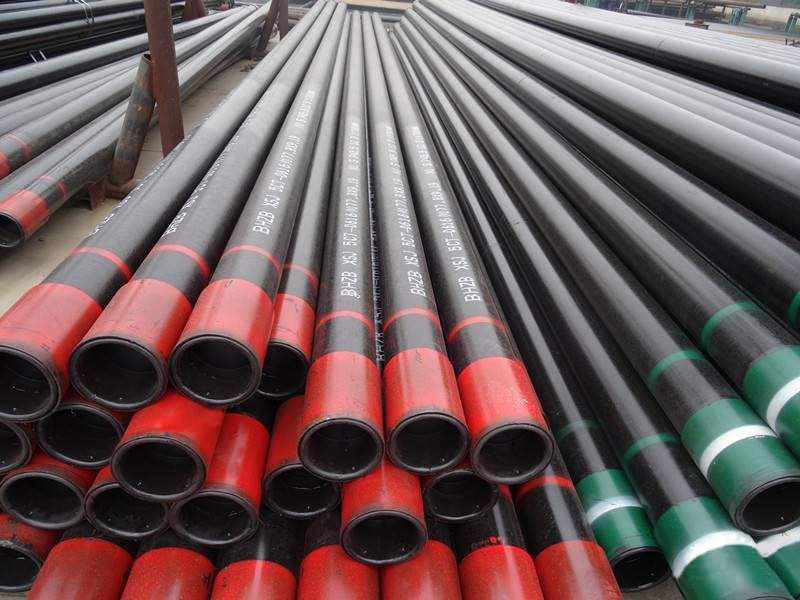
Oil line pipes are specialized tubes designed for the transportation of oil, chemicals, and other liquids. These pipes are made from various materials, including steel and plastic, and are engineered to withstand high pressures and temperatures. The construction quality of these pipes ensures they can handle the rigors of industrial use, making them a preferred choice for builders and contractors alike.
3. Key Benefits of Oil Line Pipes in Construction
Oil line pipes offer numerous advantages that make them ideal for modern construction projects. Below, we explore some of these benefits in detail.
3.1 Durability and Longevity
One of the most significant benefits of oil line pipes is their durability. Constructed from high-quality materials, these pipes resist wear and tear over time, ensuring longevity. This durability translates into lower replacement costs and less frequent maintenance, making them a smart investment for construction projects.
3.2 Corrosion Resistance
Corrosion can severely impact the performance of conventional piping systems. However, oil line pipes are often treated or coated to resist corrosion, thus extending their lifespan. This characteristic is particularly crucial in environments where pipes are exposed to harsh chemicals or extreme weather conditions, ensuring that the transportation of oil remains safe and efficient.
3.3 Cost-Effectiveness
While the initial investment in oil line pipes may be higher than other types of pipes, their long-term savings cannot be overlooked. Due to their durability and reduced need for maintenance, these pipes can lead to significant cost savings over their operational lifetime. Additionally, their efficiency in transporting fluids can contribute to lower operational expenses.
3.4 Safety Considerations
Safety is paramount in any construction project, especially when dealing with hazardous materials like oil. Oil line pipes are engineered with safety features that minimize the risk of leaks or ruptures. Their robust construction and secure fittings ensure that oil transportation is conducted safely, protecting both workers and the environment.
3.5 Environmental Impact
In today’s environmentally-conscious world, the impact of materials on the environment is more critical than ever. Oil line pipes play a role in minimizing environmental risks associated with oil transportation. Their leak-proof design and corrosion resistance contribute to reduced contamination and environmental degradation, aligning with sustainable construction practices.
4. Applications of Oil Line Pipes in Construction
The applications of oil line pipes in construction are extensive. They are primarily used in:
- **Oil extraction sites**: Transporting crude oil from wells to processing facilities.
- **Refineries**: Moving refined products throughout the processing stages.
- **Chemical plants**: Handling various chemicals safely and efficiently.
- **Building projects**: Supplying heating oil or other fluids in residential and commercial buildings.
These diverse applications illustrate the essential role that oil line pipes play in modern construction practices.
5. Installation Guidelines for Oil Line Pipes
The installation of oil line pipes must be executed with precision to ensure safety and functionality. Here are key guidelines to follow:
- **Plan the layout**: Proper planning is crucial for optimal flow and efficiency.
- **Use quality fittings**: High-quality connectors and fittings must be used to prevent leaks.
- **Follow local regulations**: Adhere to local building codes and safety standards during installation.
- **Conduct pressure tests**: Testing the system under pressure before full operation can prevent future failures.
By following these guidelines, construction professionals can ensure the successful installation of oil line pipes.
6. Maintenance Practices for Oil Line Pipes
Regular maintenance is essential to ensure the longevity of oil line pipes. Effective practices include:
- **Routine inspections**: Regular checks for leaks, corrosion, or damage can help identify issues early.
- **Cleaning**: Periodic cleaning of pipes can prevent blockages and buildup.
- **Monitoring pressure levels**: Keeping an eye on pressure levels can signal potential problems before they escalate.
Implementing these maintenance practices can help preserve the functionality and safety of oil line pipes.
7. Future Trends in Oil Line Pipe Technology
As technology advances, so too does the evolution of oil line pipes. Emerging trends include:
- **Smart technology**: Integration of sensors that monitor pipe conditions in real-time, allowing for proactive maintenance.
- **Sustainable materials**: The development of eco-friendly materials for pipe production that reduce environmental impact.
- **Advanced corrosion resistance**: Innovative coatings and treatments that enhance durability and lifespan.
These trends indicate a promising future for oil line pipes in construction, emphasizing safety, efficiency, and sustainability.
8. Conclusion
In conclusion, oil line pipes are an indispensable component of modern construction. Their durability, corrosion resistance, cost-effectiveness, and safety features make them ideal for transporting oil and other fluids. As construction practices evolve, the importance of these pipes will only continue to grow, paving the way for safer and more efficient infrastructure.
9. Frequently Asked Questions
1. What materials are oil line pipes made from?
Oil line pipes can be made from various materials, including steel, PVC, and high-density polyethylene (HDPE), each offering unique advantages.
2. How do I ensure the safe installation of oil line pipes?
Follow local building codes, use quality fittings, and conduct pressure tests to ensure a safe installation.
3. What is the lifespan of oil line pipes?
The lifespan of oil line pipes can vary, but with proper maintenance, they can last several decades.
4. Are oil line pipes environmentally friendly?
Oil line pipes, particularly those designed with corrosion resistance and leak-proof features, can mitigate environmental risks associated with oil transportation.
5. What maintenance is required for oil line pipes?
Routine inspections, cleaning, and monitoring of pressure levels are essential maintenance practices for oil line pipes.
By understanding and leveraging the benefits of oil line pipes, construction professionals can enhance the quality and safety of their projects, making them a vital consideration in modern construction practices.
Key words:


Contact
E-mail:
Add:
Hope New District, Mengcun Hui Autonomous County,
Cangzhou City, Hebei Province


PRODUCT SEARCH
Search And Quickly Find The Products You Need
The main products include oil pipeline pipes, oil casing and various specifications of GB/T8162 structural pipes, GB8/T163 fluid pipes, GB/T3087 low and medium pressure boiler pipes, G/TB5310 high pressure boiler pipes, GB/T6479 fertilizer special pipes, etc.