
The Relationship Between Oil Casing Pipes and Pipeline Efficiency: Uncovering Key Insights
The Relationship Between Oil Casing Pipes and Pipeline Efficiency
Table of Contents
Introduction to Oil Casing Pipes
The Importance of Oil Casing Pipes in Pipeline Systems
Different Types of Oil Casing Pipes and Their Applications
Material Choices for Oil Casing Pipes
Best Installation Practices for Maximizing Efficiency
Impact of Oil Casing Pipes on Pipeline Efficiency
May 15,2026

The Relationship Between Oil Casing Pipes and Pipeline Efficiency
Table of Contents
- Introduction to Oil Casing Pipes
- The Importance of Oil Casing Pipes in Pipeline Systems
- Different Types of Oil Casing Pipes and Their Applications
- Material Choices for Oil Casing Pipes
- Best Installation Practices for Maximizing Efficiency
- Impact of Oil Casing Pipes on Pipeline Efficiency
- Technological Advancements in Casing Pipe Design
- Future Trends in Pipeline Efficiency and Casing Technologies
- Conclusion
- Frequently Asked Questions
Introduction to Oil Casing Pipes
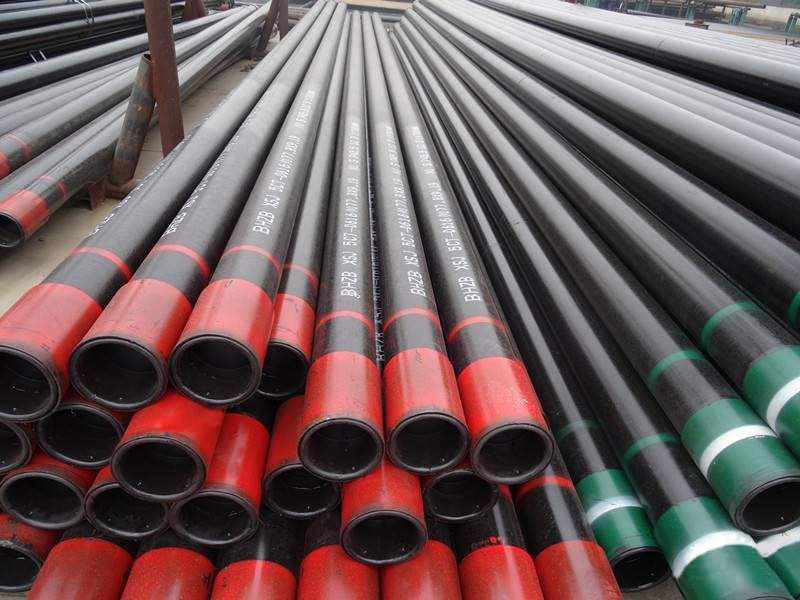
Oil casing pipes serve as crucial components in the oil and gas industry, providing structural integrity to wellbores and facilitating the efficient transport of hydrocarbons. Understanding the relationship between these pipes and pipeline efficiency is essential for optimizing operations and enhancing production rates.
The Importance of Oil Casing Pipes in Pipeline Systems
Oil casing pipes play a significant role in maintaining the safety and functionality of pipeline systems. They protect against external pressures, prevent corrosion, and support the overall structure of oil wells. By ensuring the integrity of wellbores, casing pipes contribute to maximum extraction efficiency and minimize the risk of failures that can lead to costly downtime.
Different Types of Oil Casing Pipes and Their Applications
When discussing oil casing pipes, it is essential to recognize the various types available. Each type serves specific functions and is suited for particular applications. The primary classifications include:
1. Surface Casing
Surface casing is the first string of casing set in a well. It provides structural support and isolates the well from shallow formations, ensuring that groundwater is protected from contamination.
2. Intermediate Casing
This type of casing serves to protect the wellbore through unstable formations. It provides additional support and can be crucial for maintaining the integrity of long-reaching wells.
3. Production Casing
Production casing is the final casing string in a well and allows for the extraction of oil and gas. It is designed to withstand high pressures and corrosive environments, ensuring optimal production rates.
Material Choices for Oil Casing Pipes
The performance of oil casing pipes largely depends on the materials used for their construction. Common materials include:
1. Carbon Steel
Carbon steel is one of the most widely used materials due to its strength and durability. It is suitable for various environments, but additional coatings may be required to prevent corrosion.
2. Stainless Steel
Stainless steel is preferred in highly corrosive environments due to its resistance to rust and oxidation. While it is more expensive, the longevity it offers can make it a cost-effective choice in the long run.
3. Composite Materials
Emerging composite materials combine lightweight properties with high strength, making them ideal for specific applications. These materials often come with enhanced corrosion resistance and can significantly improve pipeline efficiency.
Best Installation Practices for Maximizing Efficiency
Proper installation of oil casing pipes is crucial for ensuring pipeline efficiency. Following best practices can result in better performance and reduced operational issues:
1. Accurate Measurements
Before installation, precise measurements must be taken to ensure the casing pipes fit correctly. This reduces the risk of leaks and structural failures.
2. Proper Cementing Techniques
Cementing plays a vital role in securing casing pipes in place and providing zonal isolation. Employing effective cementing techniques ensures a solid bond and further enhances pipeline efficiency.
3. Regular Inspections
Conducting regular inspections can help identify any potential issues early on. Implementing a routine maintenance schedule will mitigate risks and prolong the lifespan of both the casing and the pipeline.
Impact of Oil Casing Pipes on Pipeline Efficiency
The relationship between oil casing pipes and pipeline efficiency is profound. The performance of casing pipes directly influences the overall functionality of pipeline systems. Factors to consider include:
1. Pressure Management
Oil casing pipes must be capable of withstanding high pressures during extraction. Their ability to manage these pressures without compromising structural integrity is essential for maintaining efficiency.
2. Flow Rate Optimization
Casing pipes can impact the flow rates of oil and gas through the pipeline. Proper design and material choice can facilitate smoother flow, reducing energy consumption and enhancing efficiency.
3. Minimizing Corrosion
Corrosion can severely impact the efficiency of pipeline systems. Selecting the appropriate materials and employing effective protective measures can minimize corrosion, leading to improved performance.
Technological Advancements in Casing Pipe Design
Innovation in casing pipe design has led to significant improvements in pipeline efficiency. Technologies such as:
1. Smart Casing
Smart casing systems equipped with sensors can monitor conditions in real-time, allowing operators to make data-driven decisions that enhance efficiency.
2. Advanced Coatings
The development of advanced coatings provides additional protection against corrosion and mechanical wear, increasing the lifespan of casing pipes and improving overall efficiency.
3. Enhanced Manufacturing Techniques
Advancements in manufacturing processes have led to stronger and lighter casing pipes, optimizing their performance and facilitating easier installation.
Future Trends in Pipeline Efficiency and Casing Technologies
As the oil and gas industry evolves, so too will the technologies and practices surrounding oil casing pipes. Anticipated trends include:
1. Increased Use of Automation
Automation in the installation and monitoring of casing pipes will likely streamline processes, improve accuracy, and enhance overall pipeline efficiency.
2. Sustainability Initiatives
With a growing focus on environmental impact, future casing technologies may prioritize sustainable materials and methods, contributing to greener operations in the industry.
3. Enhanced Data Analytics
Utilizing big data and analytics will enable companies to optimize the performance of casing pipes and pipelines, leading to smarter decision-making and improved efficiency.
Conclusion
The relationship between oil casing pipes and pipeline efficiency is critical in the oil and gas industry. By understanding the types of casing pipes, material choices, installation practices, and advancements in technology, operators can significantly enhance the efficiency of their pipeline systems. As the industry continues to innovate, staying informed about the latest trends and practices will be essential for maintaining competitive advantages and achieving optimal production rates.
Frequently Asked Questions
1. What are oil casing pipes used for?
Oil casing pipes provide structural support for wellbores, prevent contamination of groundwater, and facilitate the extraction of hydrocarbons.
2. How do different materials affect casing pipe performance?
Materials like carbon steel, stainless steel, and composites have unique properties that influence strength, weight, corrosion resistance, and ultimately, pipeline efficiency.
3. Why is proper installation critical for oil casing pipes?
Proper installation ensures structural integrity, reduces the risk of leaks, and enhances the overall efficiency of pipeline systems.
4. What advancements are being made in casing pipe technology?
Innovations include smart casing systems, advanced coatings, and improved manufacturing techniques that enhance performance and streamline installation.
5. How can operators ensure the longevity of oil casing pipes?
Regular inspections, effective cementing techniques, and selecting appropriate materials can help prolong the lifespan and efficiency of oil casing pipes.
By exploring the intricate relationship between oil casing pipes and pipeline efficiency, stakeholders in the oil and gas industry can make informed decisions that enhance operational performance, safety, and sustainability.
Key words:

Contact
E-mail:
Add:
Hope New District, Mengcun Hui Autonomous County,
Cangzhou City, Hebei Province


PRODUCT SEARCH
Search And Quickly Find The Products You Need
The main products include oil pipeline pipes, oil casing and various specifications of GB/T8162 structural pipes, GB8/T163 fluid pipes, GB/T3087 low and medium pressure boiler pipes, G/TB5310 high pressure boiler pipes, GB/T6479 fertilizer special pipes, etc.