
How Oil Tubing Pipe Enhances Safety in Pipeline Systems
How Oil Tubing Pipe Enhances Safety in Pipeline Systems
Table of Contents
Introduction to Oil Tubing Pipes and Pipeline Safety
Importance of Oil Tubing Pipes in Pipeline Systems
Types of Oil Tubing Pipes
Industry Standards and Regulations for Oil Tubing Pipes
Safety Features of Oil Tubing Pipes
Best Practices for Installing Oil Tubing Pipes
Maintenance and Inspection o
May 13,2026
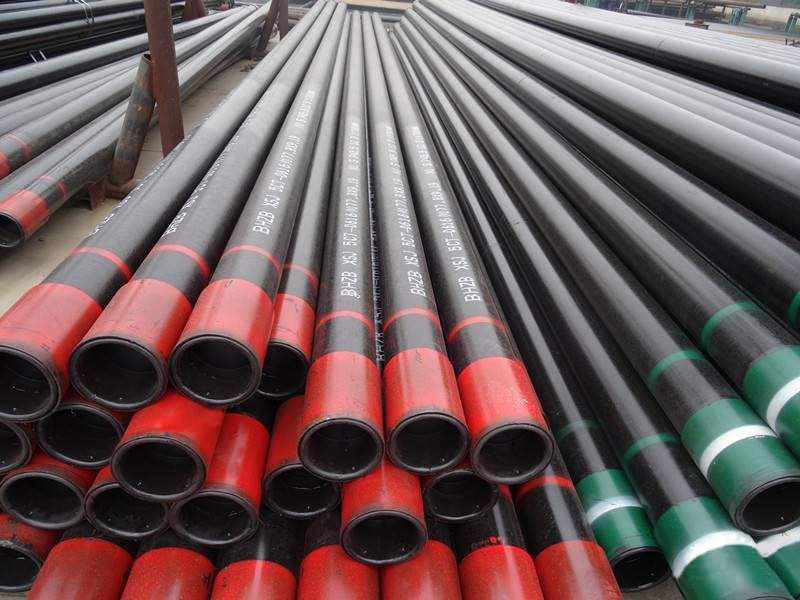
How Oil Tubing Pipe Enhances Safety in Pipeline Systems
Table of Contents
- Introduction to Oil Tubing Pipes and Pipeline Safety
- Importance of Oil Tubing Pipes in Pipeline Systems
- Types of Oil Tubing Pipes
- Industry Standards and Regulations for Oil Tubing Pipes
- Safety Features of Oil Tubing Pipes
- Best Practices for Installing Oil Tubing Pipes
- Maintenance and Inspection of Oil Tubing Pipes
- Innovations in Oil Tubing Pipe Technology
- Conclusion
- FAQs About Oil Tubing Pipes and Pipeline Safety
Introduction to Oil Tubing Pipes and Pipeline Safety
In the oil and gas industry, **pipeline systems** play a vital role in the transportation of hydrocarbons from extraction sites to processing facilities and refineries. Among the key components of these systems are **oil tubing pipes**, which serve multiple purposes, primarily focused on safety and efficiency. The integrity of these pipes can significantly impact the overall safety of pipeline operations. In this article, we will examine how oil tubing pipes enhance safety in pipeline systems through various features, standards, and practices.
Importance of Oil Tubing Pipes in Pipeline Systems
Oil tubing pipes are essential for several reasons:
1. Transportation of Fluids
Oil tubing pipes facilitate the movement of crude oil and natural gas through pipelines, ensuring that these substances reach their destinations without leaks or spills.
2. Pressure Management
These pipes are designed to withstand high pressures, reducing the risk of ruptures and leaks that can lead to catastrophic incidents.
3. Environmental Protection
By ensuring the secure transport of oil and gas, tubing pipes play a crucial role in safeguarding the environment from potential hazards associated with spills.
Types of Oil Tubing Pipes
Understanding the different types of oil tubing pipes is essential for recognizing their safety implications:
1. **Seamless Tubing Pipes**
Manufactured without seams, seamless tubing pipes provide superior strength and reduced risk of failure under pressure.
2. **Welded Tubing Pipes**
Welded pipes are constructed by joining two or more pieces of material. While they can be less expensive, they may require additional maintenance to ensure safety integrity.
3. **Corrosion-Resistant Tubing Pipes**
These pipes are engineered to withstand corrosive substances, extending their lifespan and maintaining safety standards.
4. **High-Temperature Tubing Pipes**
Designed to endure extreme temperatures, these pipes are crucial in environments where heat may cause standard pipes to weaken.
Industry Standards and Regulations for Oil Tubing Pipes
Compliance with industry standards is vital for ensuring the safety and durability of oil tubing pipes. Key regulations include:
1. **American Petroleum Institute (API) Standards**
API sets the benchmark for oil and gas pipeline safety, including specifications for tubing materials and design.
2. **Occupational Safety and Health Administration (OSHA)**
OSHA regulations ensure worker safety during installation and maintenance of pipeline systems, including the handling of oil tubing pipes.
3. **National Fire Protection Association (NFPA)**
NFPA guidelines focus on fire safety and prevention, critical for preventing incidents associated with oil and gas transportation.
Safety Features of Oil Tubing Pipes
Several intrinsic features of oil tubing pipes contribute to their safety:
1. **Pressure Testing**
Regular pressure testing ensures that the tubing pipes can handle operational pressures without failure.
2. **Non-Destructive Testing (NDT)**
Techniques like ultrasonic testing and radiography help detect flaws and weaknesses in pipes without causing damage.
3. **Leak Detection Systems**
Advanced leak detection technologies monitor pipelines, ensuring any leaks are quickly identified and addressed.
4. **Durable Materials**
Using high-grade materials enhances the pipes' resilience against damages, thus improving safety.
Best Practices for Installing Oil Tubing Pipes
Proper installation is integral to maintaining safety in pipeline systems. Key practices include:
1. **Site Assessment**
A thorough evaluation of the installation site helps determine the appropriate type of tubing pipe and installation methods.
2. **Professional Installation Teams**
Employing trained professionals with experience in oil tubing pipe installation minimizes the risk of errors.
3. **Use of Proper Equipment**
Using the right tools and equipment ensures precise installation, reducing potential safety risks.
4. **Regular Training and Drills**
Ongoing training for installation teams promotes safety awareness and adherence to best practices.
Maintenance and Inspection of Oil Tubing Pipes
Regular maintenance is essential to ensure ongoing safety:
1. **Scheduled Inspections**
Routine inspections can identify potential issues before they escalate, maintaining the integrity of the pipeline system.
2. **Corrosion Monitoring**
Monitoring for signs of corrosion is crucial in ensuring the longevity and safety of oil tubing pipes.
3. **Emergency Response Plans**
Having a robust emergency response plan in place prepares teams to act swiftly in case of a pipeline incident.
4. **Documentation and Reporting**
Keeping accurate records of inspections and maintenance helps track the condition of pipes and compliance with safety regulations.
Innovations in Oil Tubing Pipe Technology
The industry continues to evolve, with innovations enhancing safety:
1. **Smart Pipe Technology**
Smart pipes equipped with sensors provide real-time data on pressure, temperature, and potential leaks.
2. **Advanced Coatings**
New coatings improve resistance to corrosion and wear, extending the lifespan of oil tubing pipes.
3. **Automated Monitoring Systems**
Automation in monitoring systems reduces human error and increases the speed of detection for potential issues.
4. **3D Printing**
3D printing is revolutionizing the manufacturing of customized tubing pipes, allowing for more precise designs tailored to specific safety needs.
Conclusion
In conclusion, oil tubing pipes are vital components in ensuring the safety and efficiency of pipeline systems. By understanding the various types, adhering to industry standards, implementing best practices for installation and maintenance, and embracing technological innovations, we can significantly enhance safety in oil transportation. As the industry continues to evolve, awareness and proactive measures will remain critical in mitigating risks and safeguarding both workers and the environment.
FAQs About Oil Tubing Pipes and Pipeline Safety
1. What is the lifespan of oil tubing pipes?
The lifespan of oil tubing pipes varies based on materials and environmental conditions but can typically range from 20 to 30 years with proper maintenance.
2. How often should oil tubing pipes be inspected?
Inspections should be conducted regularly, often every six months to a year, depending on the condition and environment of the pipeline.
3. What are the signs of a failing oil tubing pipe?
Signs include visible corrosion, unusual pressure drops, leaks, and changes in flow rates.
4. Are there regulations for installing oil tubing pipes?
Yes, there are strict regulations and standards set by organizations such as the API and OSHA that must be followed during installation.
5. What role does technology play in the safety of oil tubing pipes?
Technology enhances safety through real-time monitoring, automated detection systems, and advanced materials that improve durability and reduce risks.
Key words:
PREVIOUS:


Contact
E-mail:
Add:
Hope New District, Mengcun Hui Autonomous County,
Cangzhou City, Hebei Province


PRODUCT SEARCH
Search And Quickly Find The Products You Need
The main products include oil pipeline pipes, oil casing and various specifications of GB/T8162 structural pipes, GB8/T163 fluid pipes, GB/T3087 low and medium pressure boiler pipes, G/TB5310 high pressure boiler pipes, GB/T6479 fertilizer special pipes, etc.