
Understanding Oil Casing Pipes: Essential Insights for Construction and Decoration Materials
Oil casing pipes are a crucial component in the construction and decoration materials sector, particularly within pipeline systems. These pipes are designed to support and protect the structural integrity of oil wells and other drilling operations. Understanding their characteristics, applications, and benefits is essential for professionals in the industry.
Oil casing pipes serve multiple purpose
May 10,2026
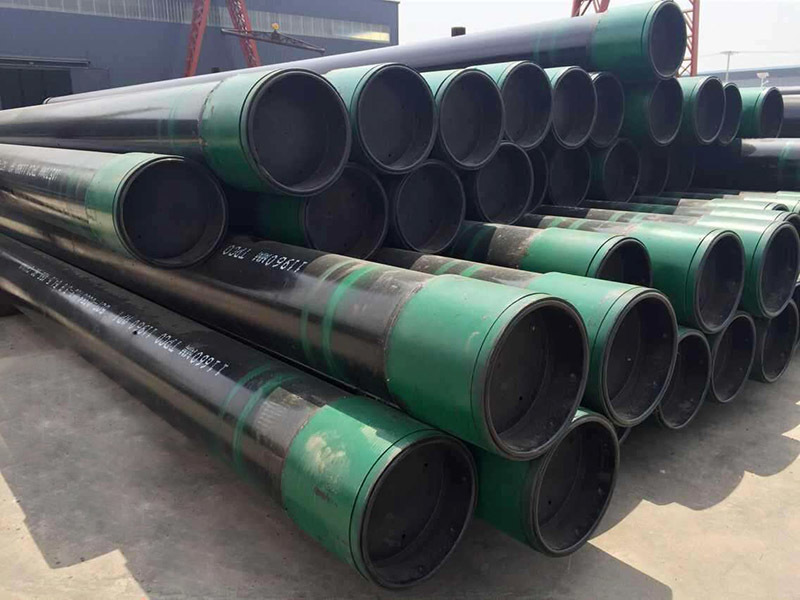
Oil casing pipes are a crucial component in the construction and decoration materials sector, particularly within pipeline systems. These pipes are designed to support and protect the structural integrity of oil wells and other drilling operations. Understanding their characteristics, applications, and benefits is essential for professionals in the industry.
Oil casing pipes serve multiple purposes. Primarily, they provide a barrier against the surrounding geological formations, which helps prevent contamination of groundwater. They also support the drilling structure as it penetrates deeper into the earth’s crust. By maintaining the stability of the wellbore, oil casing pipes are instrumental in ensuring the safety and efficiency of drilling operations.
There are several types of oil casing pipes, each designed to meet specific requirements based on depth, pressure, and the type of material being extracted. Common types include surface casing, intermediate casing, and production casing. Surface casing is usually the first layer set in place and is essential for protecting fresh water zones. Intermediate casing provides additional support for deeper sections, while production casing is installed to facilitate the extraction of oil and gas.
In addition to their structural functions, oil casing pipes are manufactured from various materials, primarily steel, due to its strength and durability. The pipes undergo rigorous testing to meet industry standards, ensuring they can withstand harsh conditions encountered during drilling. It's important to select the appropriate type and grade of casing pipe based on the specific environmental conditions and operational requirements to optimize performance.
The installation of oil casing pipes should adhere to strict regulatory guidelines to ensure safety and environmental protection. Professionals in the field must be knowledgeable about the proper techniques for installation, including the use of cement to secure the pipes in place and seal any potential leaks. Regular inspections and maintenance are also critical to detect any signs of wear or damage, protecting both the environment and the integrity of the drilling operation.
Furthermore, oil casing pipes are subject to advancements in technology. Innovations in manufacturing processes and materials have led to the development of corrosion-resistant coatings and composite materials, which enhance the longevity and performance of these pipes. As the industry continues to evolve, staying updated on these trends can provide a competitive advantage for businesses involved in the construction and decoration materials sector.
In conclusion, oil casing pipes are indispensable in the construction and decoration materials industry, particularly in pipeline systems. Their role in maintaining the structural integrity of oil wells and protecting the environment cannot be overstated. By understanding their functions, types, and the importance of proper installation and maintenance, industry professionals can ensure efficient and safe drilling operations.
Oil casing pipes serve multiple purposes. Primarily, they provide a barrier against the surrounding geological formations, which helps prevent contamination of groundwater. They also support the drilling structure as it penetrates deeper into the earth’s crust. By maintaining the stability of the wellbore, oil casing pipes are instrumental in ensuring the safety and efficiency of drilling operations.
There are several types of oil casing pipes, each designed to meet specific requirements based on depth, pressure, and the type of material being extracted. Common types include surface casing, intermediate casing, and production casing. Surface casing is usually the first layer set in place and is essential for protecting fresh water zones. Intermediate casing provides additional support for deeper sections, while production casing is installed to facilitate the extraction of oil and gas.
In addition to their structural functions, oil casing pipes are manufactured from various materials, primarily steel, due to its strength and durability. The pipes undergo rigorous testing to meet industry standards, ensuring they can withstand harsh conditions encountered during drilling. It's important to select the appropriate type and grade of casing pipe based on the specific environmental conditions and operational requirements to optimize performance.
The installation of oil casing pipes should adhere to strict regulatory guidelines to ensure safety and environmental protection. Professionals in the field must be knowledgeable about the proper techniques for installation, including the use of cement to secure the pipes in place and seal any potential leaks. Regular inspections and maintenance are also critical to detect any signs of wear or damage, protecting both the environment and the integrity of the drilling operation.
Furthermore, oil casing pipes are subject to advancements in technology. Innovations in manufacturing processes and materials have led to the development of corrosion-resistant coatings and composite materials, which enhance the longevity and performance of these pipes. As the industry continues to evolve, staying updated on these trends can provide a competitive advantage for businesses involved in the construction and decoration materials sector.
In conclusion, oil casing pipes are indispensable in the construction and decoration materials industry, particularly in pipeline systems. Their role in maintaining the structural integrity of oil wells and protecting the environment cannot be overstated. By understanding their functions, types, and the importance of proper installation and maintenance, industry professionals can ensure efficient and safe drilling operations.
Key words:

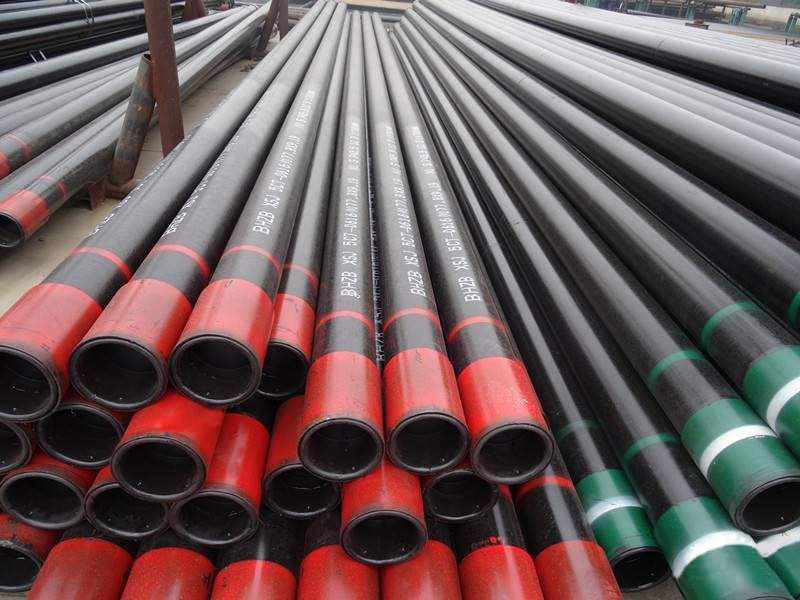

Contact
E-mail:
Add:
Hope New District, Mengcun Hui Autonomous County,
Cangzhou City, Hebei Province


PRODUCT SEARCH
Search And Quickly Find The Products You Need
The main products include oil pipeline pipes, oil casing and various specifications of GB/T8162 structural pipes, GB8/T163 fluid pipes, GB/T3087 low and medium pressure boiler pipes, G/TB5310 high pressure boiler pipes, GB/T6479 fertilizer special pipes, etc.