
Essential Safety Protocols for Handling Oil Casing Pipes on Construction Sites
Essential Safety Protocols for Handling Oil Casing Pipes on Construction Sites
Table of Contents
Introduction to Oil Casing Pipes
The Importance of Safety Protocols
Types of Oil Casing Pipes
Identifying Hazards When Handling Oil Casing Pipes
Comprehensive Safety Protocols
Personal Protective Equipment (PPE)
Training and Competency Requirements
Apr 23,2026

Essential Safety Protocols for Handling Oil Casing Pipes on Construction Sites
Table of Contents
- Introduction to Oil Casing Pipes
- The Importance of Safety Protocols
- Types of Oil Casing Pipes
- Identifying Hazards When Handling Oil Casing Pipes
- Comprehensive Safety Protocols
- Personal Protective Equipment (PPE)
- Training and Competency Requirements
- Best Handling Procedures
- Emergency Response Protocols
- Routine Maintenance and Safety Checks
- Real-World Case Studies
- Conclusion
- Frequently Asked Questions
Introduction to Oil Casing Pipes
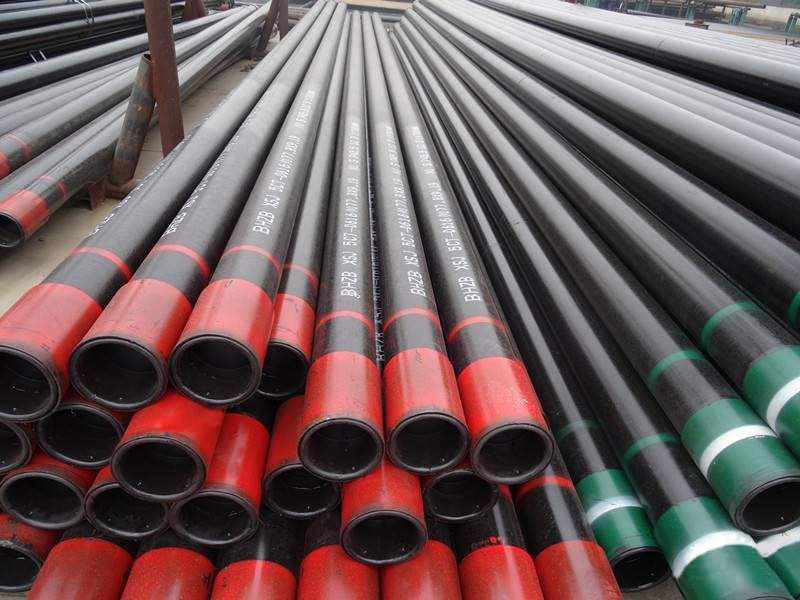
Oil casing pipes play a crucial role in the oil and gas industry, serving as a protective barrier for wellbores. These pipes not only protect the well from external pressures but also prevent any potential contamination of groundwater. On construction sites, handling these pipes poses various risks that necessitate stringent safety protocols.
The Importance of Safety Protocols
Implementing effective safety protocols is essential to ensure the safety of workers and the integrity of operations. Without these protocols, the likelihood of accidents, injuries, and financial losses increases significantly. By adhering to established safety guidelines, we can mitigate risks associated with handling oil casing pipes and foster a culture of safety on construction sites.
Types of Oil Casing Pipes
Understanding the different types of oil casing pipes is vital for implementing the correct handling protocols. The common types include:
Conductor Casing
Conductor casing is the first layer of casing installed in a well, primarily designed to support the integrity of the well.
Intermediate Casing
Intermediate casing is used to stabilize the wellbore and protect it from external pressures and potential hazards.
Production Casing
Production casing is the final layer that allows the extraction of oil or gas from the well. Each type of casing serves a specific purpose and requires different handling techniques.
Identifying Hazards When Handling Oil Casing Pipes
Recognizing potential hazards is the first step in ensuring safety. Common hazards associated with handling oil casing pipes include:
Physical Hazards
These involve risks such as falling objects, pinch points, and trip hazards. Workers must remain vigilant and aware of their surroundings.
Chemical Hazards
Sometimes, oil casing pipes may be exposed to hazardous materials. It is crucial to be aware of any chemicals that could pose a risk.
Mishandling Risks
Improper handling can lead to accidents or equipment damage. Training on proper techniques is essential to minimize these risks.
Comprehensive Safety Protocols
Implementing safety protocols involves several key components to ensure the safe handling of oil casing pipes.
Personal Protective Equipment (PPE)
PPE is a critical aspect of safety when handling oil casing pipes. The following equipment should be used:
- Hard hats to protect against falling objects.
- Steel-toed boots to prevent foot injuries.
- Gloves to protect hands from cuts and abrasions.
- Safety goggles to shield eyes from dust and debris.
- High-visibility vests to enhance visibility on-site.
Employers must ensure that all workers are equipped with the appropriate PPE and that it is maintained in good condition.
Training and Competency Requirements
Proper training is non-negotiable in maintaining safety standards. Workers should undergo comprehensive training programs that cover:
- **Equipment handling**: Understanding the tools and equipment used in handling oil casing pipes.
- **Emergency procedures**: Training to respond effectively to emergencies, including spills or accidents.
- **Hazard recognition**: Identifying potential risks in the work environment.
Regular refresher courses should also be conducted to keep all employees updated on the latest safety practices.
Best Handling Procedures
Establishing best practices for handling oil casing pipes can significantly reduce the risk of accidents. Key procedures include:
- **Use of hoisting equipment**: Whenever possible, use cranes or hoists to move heavy casing pipes.
- **Team handling**: Always handle large pipes with a team to distribute weight and minimize strain on individual workers.
- **Clear area**: Ensure that the area where pipes are being handled is clear of obstacles.
- **Proper storage**: Store pipes in designated areas to prevent tipping or rolling.
Emergency Response Protocols
Preparedness is essential for ensuring safety. Establish clear emergency protocols, including:
- **Emergency contact numbers**: Ensure all workers have access to emergency contact numbers for immediate assistance.
- **Evacuation routes**: Clearly mark evacuation routes and conduct regular drills to familiarize workers with the procedures.
- **First aid kits**: Maintain accessible first aid kits on-site, stocked with necessary supplies.
Routine Maintenance and Safety Checks
Regular maintenance and safety checks are fundamental to ensuring ongoing safety. Scheduled inspections of equipment, tools, and PPE should be part of the routine. This not only helps in identifying potential hazards early but also ensures that all equipment is in optimal working condition.
Real-World Case Studies
Learning from past incidents can help improve current safety practices. Case studies of previous accidents related to oil casing pipes highlight the importance of adhering to safety protocols. For instance, a notable incident in 2018 involved a mishandling of oil casing pipes that resulted in injuries due to a lack of proper training and safety equipment. Such case studies reinforce the need for continual vigilance and adherence to established safety protocols.
Conclusion
The safety of workers handling oil casing pipes on construction sites is of utmost importance. By implementing comprehensive safety protocols that include proper training, the use of PPE, and adherence to established handling procedures, we can significantly reduce the risk of accidents and injuries. Investing in safety not only protects our workforce but also enhances operational efficiency and compliance with industry standards.
Frequently Asked Questions
1. What is the primary purpose of oil casing pipes?
The primary purpose of oil casing pipes is to protect the wellbore, stabilize the well, and prevent groundwater contamination.
2. What types of personal protective equipment are necessary for handling oil casing pipes?
Essential PPE includes hard hats, steel-toed boots, gloves, safety goggles, and high-visibility vests.
3. Why is training important for workers handling oil casing pipes?
Training is crucial for ensuring that workers understand proper handling techniques, recognize hazards, and can respond effectively in emergencies.
4. How often should safety checks be conducted on equipment?
Safety checks should be conducted regularly, and maintenance schedules should be established based on equipment usage and manufacturer's recommendations.
5. What should be done in case of an emergency involving oil casing pipes?
In the event of an emergency, workers should follow established emergency protocols, contact emergency services, and utilize first aid if necessary.
By following these detailed protocols and practices, we can create a safer environment for all personnel involved in handling oil casing pipes on construction sites.
Key words:

Contact
E-mail:
Add:
Hope New District, Mengcun Hui Autonomous County,
Cangzhou City, Hebei Province


PRODUCT SEARCH
Search And Quickly Find The Products You Need
The main products include oil pipeline pipes, oil casing and various specifications of GB/T8162 structural pipes, GB8/T163 fluid pipes, GB/T3087 low and medium pressure boiler pipes, G/TB5310 high pressure boiler pipes, GB/T6479 fertilizer special pipes, etc.