
Oil Line Pipe vs. Traditional Pipes: A Comprehensive Analysis for Construction and Decoration Materials
Oil Line Pipe vs. Traditional Pipes: A Comparative Analysis
Introduction to Pipe Systems in Construction and Decoration
In the vast world of construction and decoration materials, piping systems play a crucial role in ensuring the efficient transport of liquids and gases. Among the various types of pipes available, **oil line pipes** and **traditional pipes** serve specific functions that cater to
Apr 15,2026
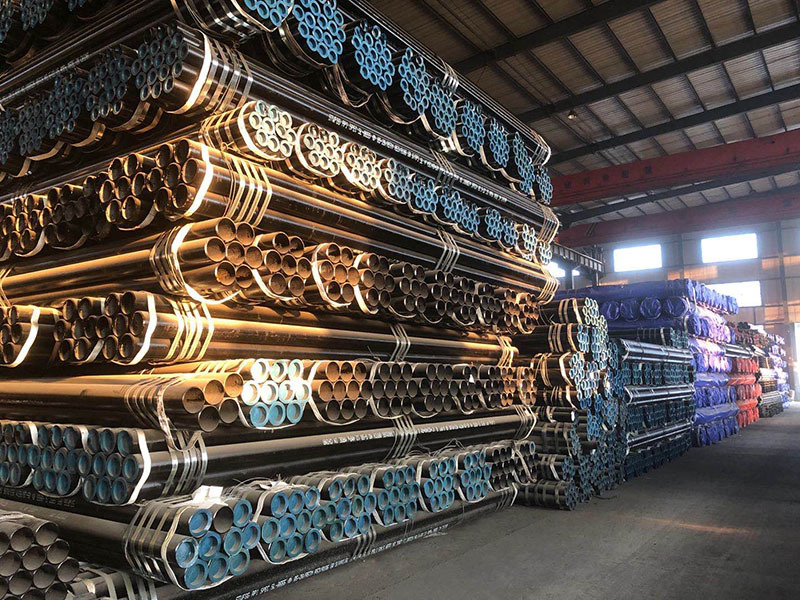
Oil Line Pipe vs. Traditional Pipes: A Comparative Analysis
Introduction to Pipe Systems in Construction and Decoration
In the vast world of construction and decoration materials, piping systems play a crucial role in ensuring the efficient transport of liquids and gases. Among the various types of pipes available, **oil line pipes** and **traditional pipes** serve specific functions that cater to different needs. This article aims to provide a thorough comparative analysis of these two types of piping systems, enabling stakeholders to make informed choices based on their project requirements.
Understanding Oil Line Pipes
What Are Oil Line Pipes?
Oil line pipes are specialized pipes designed for the transportation of oil, gas, and other related substances. Typically made from durable materials such as carbon steel or high-density polyethylene (HDPE), these pipes are engineered to withstand high pressure and exposure to corrosive substances.
Key Features of Oil Line Pipes
- **Material Composition**: Generally composed of carbon steel or HDPE, oil line pipes are designed to resist corrosion and high-pressure conditions.
- **Pressure Rating**: Oil line pipes often have higher pressure ratings compared to traditional pipes, making them suitable for oil and gas applications.
- **Flexibility and Durability**: Many oil line pipes are designed to be flexible, allowing for easier installation in various environments.
Applications of Oil Line Pipes
Oil line pipes are primarily used in the following applications:
- **Oil and Gas Extraction**: Used in drilling and extraction operations to transport crude oil and natural gas to processing facilities.
- **Refinery Operations**: Essential in refining processes where crude oil is transformed into usable products.
- **Transportation Networks**: Employed in pipeline networks that transport oil over long distances.
Exploring Traditional Pipes
What Are Traditional Pipes?
Traditional pipes refer to a broad category of piping systems, primarily utilized in residential and commercial plumbing. These pipes can be made from various materials, including PVC, copper, and galvanized steel, each offering unique properties suitable for diverse applications.
Key Features of Traditional Pipes
- **Material Variety**: Traditional pipes are available in several materials, allowing for flexibility based on project needs.
- **Versatile Applications**: Suitable for water supply, sewage, heating, and cooling systems.
- **Cost-Effectiveness**: Generally more affordable than oil line pipes, making them a go-to choice for many plumbing applications.
Applications of Traditional Pipes
Traditional pipes are commonly employed in:
- **Residential Plumbing**: Used for water supply lines, waste disposal, and drainage systems.
- **Commercial Buildings**: Essential for heating and cooling systems, as well as fire protection systems.
- **Irrigation Systems**: Employed in agriculture to transport water efficiently.
Comparative Analysis: Oil Line Pipes vs. Traditional Pipes
Material Composition
The material composition of oil line pipes sets them apart from traditional pipes. While oil line pipes are specifically built to withstand harsh environments and high pressures, traditional pipes offer a broader range of materials suitable for diverse applications. For instance, copper pipes are prized for their durability and resistance to corrosion, while PVC pipes are lightweight and easy to install.
Pressure Handling Capabilities
One of the most significant differences between the two lies in their pressure handling capabilities. Oil line pipes are engineered to handle significantly higher pressures due to the nature of the substances they transport. In contrast, traditional pipes, while durable, typically operate under lower pressure conditions, making them unsuitable for high-risk applications.
Installation Process
The installation processes for oil line pipes and traditional pipes also differ substantially. Oil line pipes may require specialized knowledge and tools, particularly for welding joints and ensuring proper sealing to prevent leaks. Meanwhile, traditional pipes often utilize simpler connection methods such as fittings and adhesives, allowing for more straightforward installation.
Cost Considerations
When evaluating costs, traditional pipes generally present a lower upfront investment compared to oil line pipes. However, it’s essential to consider the long-term implications. Oil line pipes, due to their durability and pressure handling capabilities, may result in lower maintenance and replacement costs over time, especially in high-use scenarios.
Environmental Impact and Sustainability
Environmental Considerations for Oil Line Pipes
The environmental impact of oil line pipes is significant, especially considering the potential for leaks and spills. The transportation of oil and gas can lead to environmental hazards if not managed correctly. Therefore, it is vital to consider the materials and installation processes that minimize environmental risks.
Sustainability and Traditional Pipes
Traditional pipes also have environmental considerations, particularly regarding the materials used. For example, PVC pipes can contribute to plastic pollution if not disposed of responsibly. However, advances in recycling and material technology are making traditional pipes more sustainable.
Choosing the Right Pipe: Factors to Consider
Project Requirements
Before selecting between oil line pipes and traditional pipes, it is essential to evaluate the specific requirements of the project. Considerations should include the type of substances being transported, pressure ratings, and installation environments.
Long-term Maintenance and Reliability
Assess the long-term maintenance and reliability needs of the project. Oil line pipes, while more expensive, offer durability and reduced maintenance needs in high-pressure applications. On the other hand, traditional pipes may require more frequent checks and maintenance depending on the materials used.
Frequently Asked Questions (FAQs)
1. What are the primary differences between oil line pipes and traditional pipes?
The primary differences lie in their material composition, pressure ratings, and intended applications. Oil line pipes are designed for high-pressure environments, while traditional pipes cater to a broader range of plumbing needs.
2. Are oil line pipes more expensive than traditional pipes?
Yes, oil line pipes generally have a higher upfront cost due to their specialized materials and manufacturing processes. However, they may save costs in the long run due to lower maintenance requirements.
3. Can traditional pipes be used for oil transportation?
While some traditional pipes may handle oil transportation, they are not recommended due to lower pressure ratings and material limitations. Oil line pipes are specifically designed for this purpose.
4. How do installation processes differ for oil line pipes and traditional pipes?
Oil line pipes often require specialized tools and knowledge for installation due to their handling of high pressures. Traditional pipes typically use simpler connection methods, allowing for easier installation.
5. What should I consider when choosing between oil line pipes and traditional pipes?
Consider factors such as the type of substance being transported, pressure requirements, installation environment, maintenance needs, and cost implications.
Conclusion
In summary, the choice between oil line pipes and traditional pipes hinges on various factors, including project requirements, budget constraints, and long-term maintenance concerns. While oil line pipes are engineered for high-pressure and corrosive environments, traditional pipes offer versatility for a range of plumbing applications. By understanding the strengths and weaknesses of each type, stakeholders can make informed decisions that align with their specific needs, ensuring the success of their construction and decoration projects.
Key words:

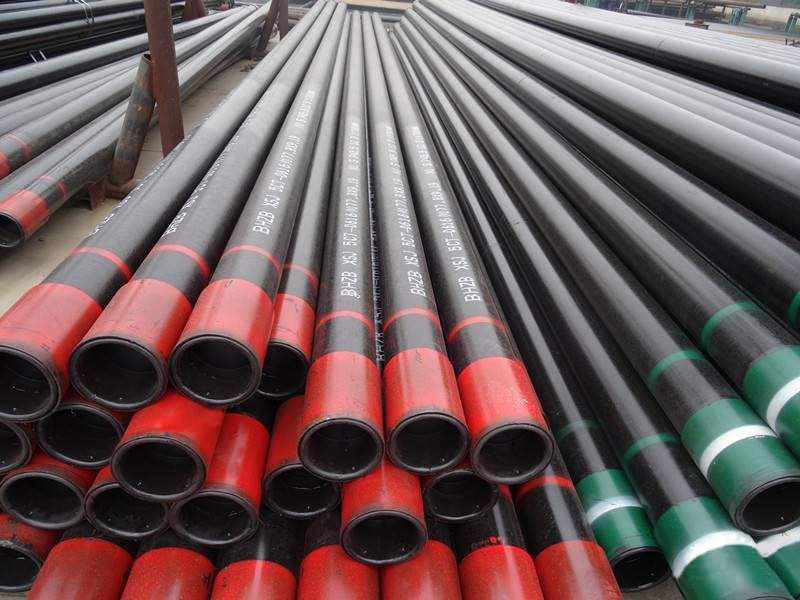

Contact
E-mail:
Add:
Hope New District, Mengcun Hui Autonomous County,
Cangzhou City, Hebei Province


PRODUCT SEARCH
Search And Quickly Find The Products You Need
The main products include oil pipeline pipes, oil casing and various specifications of GB/T8162 structural pipes, GB8/T163 fluid pipes, GB/T3087 low and medium pressure boiler pipes, G/TB5310 high pressure boiler pipes, GB/T6479 fertilizer special pipes, etc.