
Key Features to Look for in Oil Casing Pipes for Your Project
Apr 13,2026

Key Features to Look for in Oil Casing Pipes for Your Project
When embarking on a project involving oil extraction, selecting the correct oil casing pipes is crucial. The integrity and performance of these pipes directly impact the efficiency of your operations. In this article, we will delve into the key features that you should consider when choosing oil casing pipes, ensuring that your project stands on solid ground.
Understanding Oil Casing Pipes
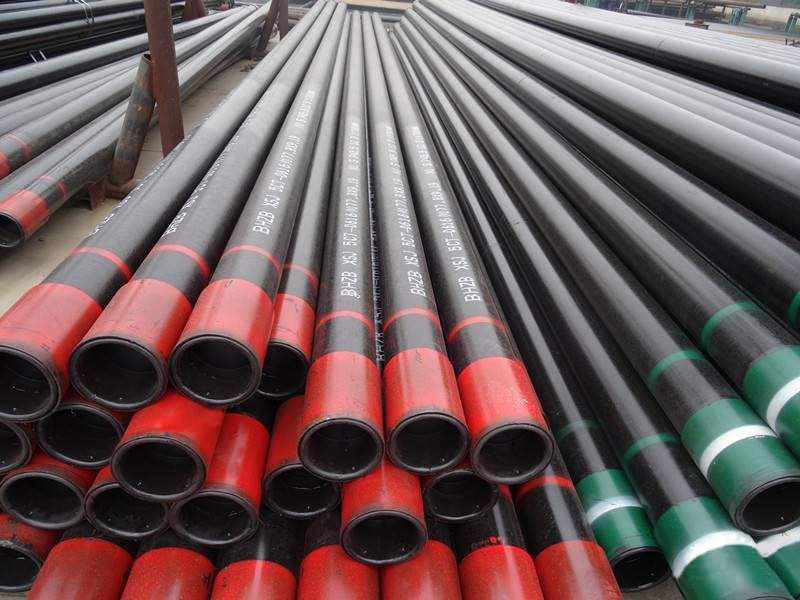
Oil casing pipes are essential components of the drilling process. They provide structural support for the well, protect the surrounding environment from contamination, and ensure the safe extraction of oil and gas. Understanding the specifications and the features that define quality casing pipes can help you make better choices for your project.
The Importance of Material Selection
The material of the casing pipes significantly influences their performance, durability, and resistance to harsh environmental conditions. The most common materials used in oil casing pipes include:
- Carbon Steel: Widely used due to its strength and affordability, carbon steel is ideal for standard oil extraction operations.
- Alloy Steel: Offers enhanced resistance to corrosion and higher temperatures, making it suitable for more extreme conditions.
- Stainless Steel: Known for its excellent corrosion resistance, this material is often used in environments where the risk of chemical exposure is high.
Pipe Specifications That Matter
Choosing the right specifications is pivotal in ensuring the effectiveness of oil casing pipes. Here are key specifications to consider:
1. Diameter and Thickness
The diameter and wall thickness of the casing pipes should align with the specific requirements of your project. These dimensions directly affect the pipe's strength and ability to withstand internal and external pressures.
2. Weight Per Foot
The weight of the pipe per foot is an important factor that impacts transportation and installation. Heavier pipes may require specialized handling equipment, while lighter pipes may be easier to manage but could sacrifice durability.
3. Grade of Steel
Steel grades, such as API 5CT, dictate the mechanical properties of the casing pipes. Higher-grade steel can withstand greater stresses, making it crucial for deep wells and high-pressure environments.
Performance Characteristics
Beyond materials and specifications, certain performance characteristics are vital when selecting oil casing pipes:
1. Corrosion Resistance
Casing pipes are often exposed to corrosive substances. Selecting pipes with adequate corrosion resistance can significantly extend their lifespan and reduce maintenance costs.
2. Temperature Resistance
The ability of pipes to perform in varying temperature conditions is essential. Depending on the location and depth of the well, thermal expansion and contraction can cause issues if not properly addressed.
3. Pressure Rating
Understanding the pressure requirements of your project is crucial. Casing pipes are available in various pressure ratings, and selecting the right one can prevent failures during operation.
Safety and Compliance Standards
Ensuring that your oil casing pipes meet industry safety and compliance standards is non-negotiable. This consideration safeguards not only the environment but also the personnel involved in the project.
Understanding API Standards
The American Petroleum Institute (API) sets standards for oil casing pipes that ensure quality and safety. Familiarizing yourself with these standards can guide your purchasing decisions, helping you choose products that meet or exceed industry expectations.
Environmental Safety Considerations
Environmental safety is increasingly critical in today's oil extraction processes. Choose casing pipes that minimize the risk of leaks and contamination, protecting both the surrounding ecosystem and your company’s reputation.
Cost vs. Quality: Finding the Balance
While cost is a significant factor in any procurement decision, compromising quality for budget constraints can lead to long-term consequences. Weighing the initial costs against the durability and longevity of oil casing pipes can result in better overall value.
Evaluating Supplier Reputation
Partnering with reputable suppliers can ensure that you receive high-quality products that adhere to industry standards. Researching a supplier's history, customer feedback, and certifications can help you make informed decisions.
Investing in Quality for Long-Term Savings
High-quality casing pipes may come with a higher upfront cost, but their durability can lead to significant savings in maintenance and replacement over time. Investing in reliable products ultimately pays off in the long run.
Frequently Asked Questions (FAQs)
1. What are the main types of oil casing pipes?
The main types of oil casing pipes include carbon steel, alloy steel, and stainless steel, each offering different levels of strength and corrosion resistance appropriate for various conditions.
2. How do I determine the right diameter for my oil casing pipes?
The right diameter depends on the specific requirements of your drilling project, including the depth of the well and the expected pressure levels.
3. What is the importance of API standards for oil casing pipes?
API standards ensure that oil casing pipes meet quality and safety benchmarks, which is crucial for the integrity of drilling operations and environmental protection.
4. How can I assess the corrosion resistance of oil casing pipes?
Look for products that have undergone corrosion resistance testing and consider the environmental conditions in which they will be installed.
5. What is the impact of temperature on oil casing pipes?
Temperature changes can cause thermal expansion or contraction in pipes. Selecting materials with suitable temperature ratings is essential for preventing structural issues.
Conclusion
Choosing the right oil casing pipes is a critical decision that can affect the success of your drilling project. By considering factors such as material selection, specifications, performance characteristics, and compliance with industry standards, you can make informed choices that ensure safety, efficiency, and long-term value. Investing time and resources into selecting high-quality casing pipes will pay dividends throughout the lifecycle of your project. Ultimately, the goal is to create a reliable pipeline system that not only meets operational demands but also protects the environment and enhances overall project outcomes.
Key words:
PREVIOUS:

Contact
E-mail:
Add:
Hope New District, Mengcun Hui Autonomous County,
Cangzhou City, Hebei Province


PRODUCT SEARCH
Search And Quickly Find The Products You Need
The main products include oil pipeline pipes, oil casing and various specifications of GB/T8162 structural pipes, GB8/T163 fluid pipes, GB/T3087 low and medium pressure boiler pipes, G/TB5310 high pressure boiler pipes, GB/T6479 fertilizer special pipes, etc.