
The Role of Oil Line Pipe in Sustainable Building Practices: An In-Depth Exploration
The Role of Oil Line Pipe in Sustainable Building Practices
Table of Contents
Introduction to Oil Line Pipes in Construction
What Are Oil Line Pipes?
Understanding Sustainable Building Practices
Benefits of Using Oil Line Pipes in Sustainable Construction
Installation Techniques for Oil Line Pipes
Maintenance and Durability of Oil Line Pipes
Case Studies: Successful Im
Mar 03,2026
The Role of Oil Line Pipe in Sustainable Building Practices
Table of Contents
- Introduction to Oil Line Pipes in Construction
- What Are Oil Line Pipes?
- Understanding Sustainable Building Practices
- Benefits of Using Oil Line Pipes in Sustainable Construction
- Installation Techniques for Oil Line Pipes
- Maintenance and Durability of Oil Line Pipes
- Case Studies: Successful Implementations
- The Future of Oil Line Pipes in Sustainable Building
- Conclusion
- Frequently Asked Questions
Introduction to Oil Line Pipes in Construction
In the evolving landscape of construction, sustainability is not just an option but a necessity. As builders and architects seek innovative solutions, oil line pipes have emerged as a pivotal component in promoting environmentally friendly practices. This article delves into the multifaceted roles that oil line pipes play in sustainable building practices, showcasing their benefits, installation methods, and future potential.
What Are Oil Line Pipes?
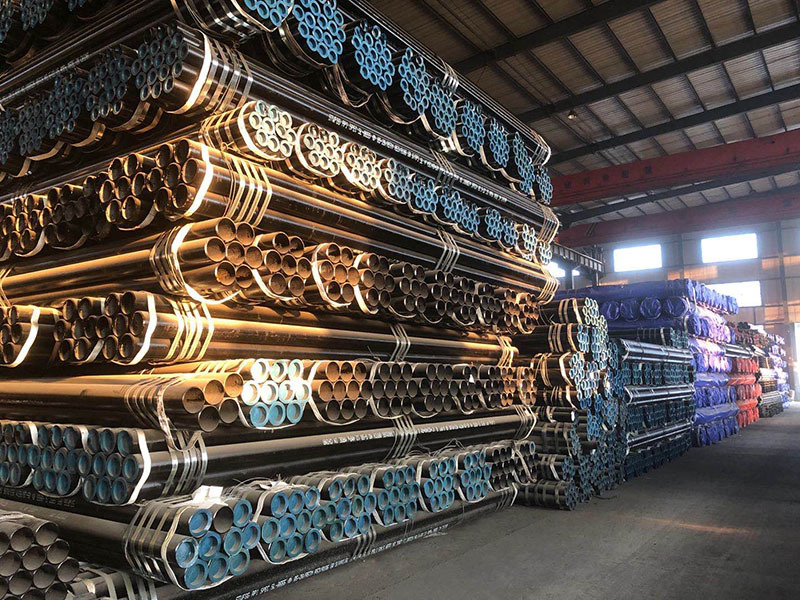
Oil line pipes are specialized piping systems designed to transport oil safely and efficiently. They are typically made from materials such as steel or high-density polyethylene (HDPE), ensuring durability and resistance to corrosion. These pipes are integral in various applications, including heating systems, biogas transportation, and even in renewable energy setups.
Key Characteristics of Oil Line Pipes
1. **Durability**: Designed to withstand harsh environmental conditions, oil line pipes are built to last.
2. **Corrosion Resistance**: The materials used in these pipes are resistant to rust, making them ideal for long-term use.
3. **Thermal Insulation**: Many oil line pipes come with insulation, enhancing energy efficiency by reducing heat loss.
Understanding Sustainable Building Practices
Sustainable building practices focus on minimizing environmental impact while maximizing energy efficiency. This approach encompasses the entire lifecycle of a building, from design and construction to operation and eventual deconstruction. Key elements include:
Energy Efficiency
Utilizing materials and systems that reduce energy consumption is paramount. Sustainable buildings often incorporate renewable energy sources and efficient heating and cooling systems.
Resource Conservation
Sustainable practices prioritize the use of recycled and locally sourced materials, reducing the carbon footprint associated with transportation and production.
Indoor Environmental Quality
Creating healthy indoor environments is essential for occupant well-being. This can involve using non-toxic materials and ensuring adequate ventilation.
Benefits of Using Oil Line Pipes in Sustainable Construction
Oil line pipes offer numerous advantages in the context of sustainable building practices. Here are a few key benefits:
1. Enhanced Energy Efficiency
Oil line pipes facilitate the effective transport of heating oil and other fuels, ensuring that energy systems operate at optimal levels. This leads to significant reductions in energy consumption.
2. Reduced Environmental Impact
By utilizing oil line pipes in heating systems, builders can reduce reliance on less efficient energy sources. This shift contributes to lower greenhouse gas emissions.
3. Long-Term Cost Savings
Though the initial investment in oil line pipes may be higher than traditional systems, their durability and efficiency yield significant savings over time through reduced maintenance and energy bills.
4. Versatile Applications
Oil line pipes are adaptable for various uses, from residential heating systems to large-scale industrial applications, making them a versatile choice for builders.
5. Improved Safety
Constructed with high standards, oil line pipes minimize the risk of leaks and spills, enhancing safety for both occupants and the environment.
Installation Techniques for Oil Line Pipes
Proper installation of oil line pipes is crucial for optimizing their performance and longevity. Here are essential practices to consider:
1. Site Preparation
Before installation, conduct a thorough site assessment to determine the best locations for pipes, considering factors like soil type and proximity to structures.
2. Pipe Selection
Choose the appropriate type and size of oil line pipe based on the specific requirements of the project. Factors such as pressure ratings and temperature tolerance are critical.
3. Installation Procedures
Follow industry best practices for installing oil line pipes, ensuring that they are laid at the correct depth and aligned properly to prevent stress and damage.
4. Pressure Testing
Once installed, conduct pressure tests to ensure there are no leaks and that the system operates efficiently.
Maintenance and Durability of Oil Line Pipes
Ensuring the longevity of oil line pipes involves regular maintenance and inspections. Here’s how to keep them in prime condition:
1. Regular Inspections
Schedule routine inspections to check for signs of wear, corrosion, or any leaks. Early detection of issues can prevent costly repairs down the line.
2. Cleaning and Maintenance
Regularly clean pipes to remove any buildup that could affect performance. Follow manufacturer recommendations for maintenance schedules.
3. Professional Servicing
Engage professionals for any necessary repairs or complex maintenance tasks. This ensures that the work is done correctly and safely.
Case Studies: Successful Implementations
Examining real-world applications of oil line pipes in sustainable building offers valuable insights. Here are a few notable examples:
1. Residential Projects
In a recent residential project, the integration of oil line pipes for heating resulted in a 30% reduction in energy costs compared to conventional heating methods.
2. Commercial Developments
A commercial building adopted oil line piping systems, achieving significant energy savings and earning LEED certification for its sustainable practices.
3. Industrial Applications
In an industrial setting, oil line pipes were utilized for transporting biofuels, reducing the facility's carbon footprint and enhancing energy efficiency.
The Future of Oil Line Pipes in Sustainable Building
As the construction industry continues to evolve, the role of oil line pipes in sustainable practices is likely to expand. Emerging technologies and materials promise to enhance their efficiency and safety, making them an even more attractive option for builders committed to sustainability.
1. Innovations in Materials
Advancements in synthetic materials could lead to more lightweight, durable, and environmentally friendly oil line pipes.
2. Integration with Smart Technologies
Smart monitoring systems may soon become standard, allowing for real-time tracking of energy usage and system performance.
3. Expanding Applications
The potential applications for oil line pipes will likely broaden as the demand for renewable energy sources increases, allowing for innovative uses in various sectors.
Conclusion
Oil line pipes play a crucial role in sustainable building practices by enhancing energy efficiency, reducing environmental impact, and providing versatile applications for both residential and commercial projects. Their durability and safety features make them an excellent choice in modern construction. As the industry moves forward, the integration and innovation around oil line pipes will undoubtedly contribute to a more sustainable future for building practices worldwide.
Frequently Asked Questions
1. What materials are oil line pipes made from?
Oil line pipes are commonly made from materials like steel or high-density polyethylene (HDPE), chosen for their durability and corrosion resistance.
2. How do oil line pipes contribute to energy efficiency?
By facilitating the efficient transport of heating oil, oil line pipes help systems operate optimally, thus reducing overall energy consumption.
3. What maintenance is required for oil line pipes?
Regular inspections, cleaning, and professional servicing are essential for maintaining the integrity and performance of oil line pipes.
4. Can oil line pipes be used in renewable energy applications?
Yes, oil line pipes can be utilized in various renewable energy setups, including biofuel transportation, enhancing their versatility.
5. How do oil line pipes ensure safety in construction?
High-quality construction and proper installation of oil line pipes minimize the risks of leaks and spills, ensuring safety for occupants and the environment.
Key words:


Contact
E-mail:
Add:
Hope New District, Mengcun Hui Autonomous County,
Cangzhou City, Hebei Province


PRODUCT SEARCH
Search And Quickly Find The Products You Need
The main products include oil pipeline pipes, oil casing and various specifications of GB/T8162 structural pipes, GB8/T163 fluid pipes, GB/T3087 low and medium pressure boiler pipes, G/TB5310 high pressure boiler pipes, GB/T6479 fertilizer special pipes, etc.