
Understanding Oil Tubing Pipes: Essential Insights for Your Projects
Oil tubing pipes play a crucial role in various industries, particularly in the oil and gas sector, where they are essential for the extraction and transportation of hydrocarbons. These pipes are designed to withstand high pressure and corrosive environments, making them suitable for demanding applications. Their construction typically involves high-strength materials that ensure durability and re
Feb 28,2026
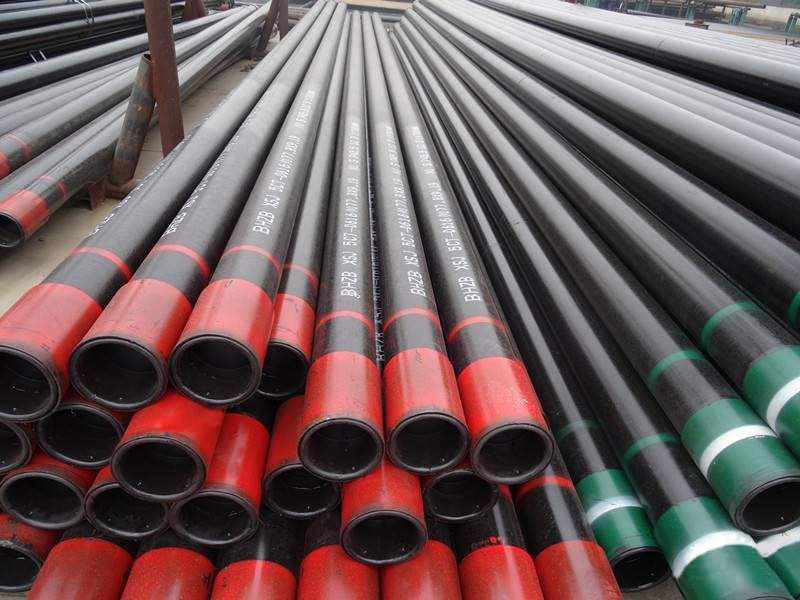
Oil tubing pipes play a crucial role in various industries, particularly in the oil and gas sector, where they are essential for the extraction and transportation of hydrocarbons. These pipes are designed to withstand high pressure and corrosive environments, making them suitable for demanding applications. Their construction typically involves high-strength materials that ensure durability and reliability.
One of the primary functions of oil tubing pipes is to transport oil from underground reservoirs to the surface. This process requires pipes that can handle extreme conditions, such as high temperatures and severe pressure fluctuations. The design and material selection for oil tubing must consider factors such as tensile strength, resistance to corrosion, and the ability to withstand mechanical stress.
When selecting oil tubing pipes for your pipeline system, several technical aspects should be evaluated. First, the diameter of the pipe is crucial, as it affects the flow rate and pressure requirements of the system. Larger diameters may facilitate higher flow rates but can also increase material costs and installation complexity. Conversely, smaller diameters may limit flow but offer advantages in terms of ease of handling and installation.
Another key factor is the wall thickness of the tubing. Thicker walls provide greater strength and resistance to external forces but may add weight and cost. It's essential to strike a balance between strength and economy to ensure optimal performance without unnecessary expenditure.
The materials used in manufacturing oil tubing pipes are also critical. Common materials include carbon steel and stainless steel, chosen for their ability to withstand corrosive substances present in oil and gas extraction processes. Additionally, specialized coatings may be applied to enhance corrosion resistance and extend the lifespan of the pipes.
Proper installation and maintenance of oil tubing pipes are vital to ensure their efficiency and longevity. Regular inspections can help identify potential issues such as corrosion or mechanical damage before they lead to significant failures. Implementing best practices in installation, such as ensuring proper alignment and securing connections, can prevent leaks and enhance the overall integrity of the pipeline system.
In summary, oil tubing pipes are an indispensable component in the construction and decoration of pipeline systems, especially within the oil and gas industry. Understanding their design features, material properties, and installation requirements will help ensure that your projects are successful and meet the rigorous demands of modern engineering applications. Whether you're involved in new construction or maintenance of existing systems, having a solid grasp of these aspects will enhance your decision-making and project outcomes.
One of the primary functions of oil tubing pipes is to transport oil from underground reservoirs to the surface. This process requires pipes that can handle extreme conditions, such as high temperatures and severe pressure fluctuations. The design and material selection for oil tubing must consider factors such as tensile strength, resistance to corrosion, and the ability to withstand mechanical stress.
When selecting oil tubing pipes for your pipeline system, several technical aspects should be evaluated. First, the diameter of the pipe is crucial, as it affects the flow rate and pressure requirements of the system. Larger diameters may facilitate higher flow rates but can also increase material costs and installation complexity. Conversely, smaller diameters may limit flow but offer advantages in terms of ease of handling and installation.
Another key factor is the wall thickness of the tubing. Thicker walls provide greater strength and resistance to external forces but may add weight and cost. It's essential to strike a balance between strength and economy to ensure optimal performance without unnecessary expenditure.
The materials used in manufacturing oil tubing pipes are also critical. Common materials include carbon steel and stainless steel, chosen for their ability to withstand corrosive substances present in oil and gas extraction processes. Additionally, specialized coatings may be applied to enhance corrosion resistance and extend the lifespan of the pipes.
Proper installation and maintenance of oil tubing pipes are vital to ensure their efficiency and longevity. Regular inspections can help identify potential issues such as corrosion or mechanical damage before they lead to significant failures. Implementing best practices in installation, such as ensuring proper alignment and securing connections, can prevent leaks and enhance the overall integrity of the pipeline system.
In summary, oil tubing pipes are an indispensable component in the construction and decoration of pipeline systems, especially within the oil and gas industry. Understanding their design features, material properties, and installation requirements will help ensure that your projects are successful and meet the rigorous demands of modern engineering applications. Whether you're involved in new construction or maintenance of existing systems, having a solid grasp of these aspects will enhance your decision-making and project outcomes.
Key words:


Contact
E-mail:
Add:
Hope New District, Mengcun Hui Autonomous County,
Cangzhou City, Hebei Province


PRODUCT SEARCH
Search And Quickly Find The Products You Need
The main products include oil pipeline pipes, oil casing and various specifications of GB/T8162 structural pipes, GB8/T163 fluid pipes, GB/T3087 low and medium pressure boiler pipes, G/TB5310 high pressure boiler pipes, GB/T6479 fertilizer special pipes, etc.