
The Role of Oil Tubing Pipe in Enhancing Pipeline Efficiency: A Comprehensive Guide
The Role of Oil Tubing Pipe in Enhancing Pipeline Efficiency
Efficient and reliable pipeline systems are critical in the oil and gas industry. Among the various components that contribute to this efficiency, **oil tubing pipes** stand out as essential elements that help in transporting hydrocarbons smoothly and effectively. This article delves into the significant role of oil tubing pipes, examini
Feb 23,2026
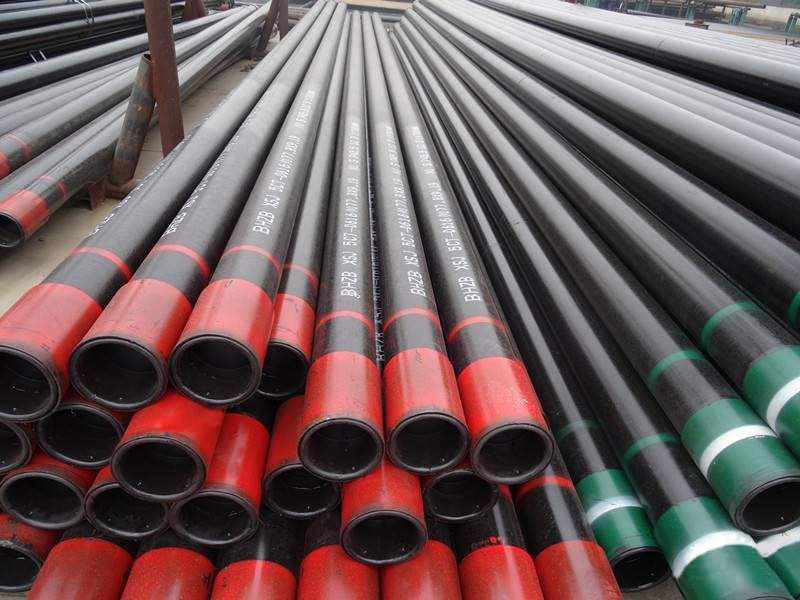
The Role of Oil Tubing Pipe in Enhancing Pipeline Efficiency
Efficient and reliable pipeline systems are critical in the oil and gas industry. Among the various components that contribute to this efficiency, **oil tubing pipes** stand out as essential elements that help in transporting hydrocarbons smoothly and effectively. This article delves into the significant role of oil tubing pipes, examining their design, applications, benefits, and innovations that drive pipeline efficiency.
Table of Contents
1. Introduction to Oil Tubing Pipes
2. Understanding Pipeline Efficiency
3. Design and Materials of Oil Tubing Pipes
4. Applications of Oil Tubing Pipes in the Industry
5. Benefits of Using Oil Tubing Pipes
6. Technological Innovations in Oil Tubing
7. Challenges in Oil Tubing and Their Solutions
8. Future Trends in Oil Tubing Technology
9. Frequently Asked Questions
10. Conclusion
Introduction to Oil Tubing Pipes
Oil tubing pipes, often referred to as oil well tubing or simply tubing, are pivotal in the extraction and transportation of crude oil and natural gas. These pipes are inserted into wellbores to facilitate the flow of hydrocarbons from underground reservoirs to the surface. The design and material of these pipes significantly influence the integrity and efficiency of the entire pipeline system.
Pipeline efficiency hinges on several factors including the materials used, the design of the piping system, and the technology employed in monitoring and maintaining these systems. Understanding the role of oil tubing pipes is crucial for optimizing operational performance in any oil and gas venture.
Understanding Pipeline Efficiency
Pipeline efficiency refers to the effective transportation of fluids, such as oil and gas, with minimal loss and maximum safety. Key performance indicators of pipeline efficiency include:
- **Flow Rate**: The amount of oil or gas that can be transported per unit of time.
- **Pressure Maintenance**: The ability to maintain the required pressure within the pipeline.
- **Leak Prevention**: The effectiveness of preventing leaks and ensuring the integrity of the pipeline.
- **Durability**: The lifespan of the pipeline under various operational conditions.
Enhancing pipeline efficiency not only reduces operational costs but also minimizes environmental risks associated with spills and leaks. Oil tubing pipes play a critical role in achieving these objectives.
Design and Materials of Oil Tubing Pipes
The design and material composition of oil tubing pipes are fundamental to their performance. **Common materials** used in manufacturing oil tubing pipes include:
- **Carbon Steel**: Widely used for its strength and durability, suitable for high-pressure applications.
- **Stainless Steel**: Offers corrosion resistance, making it ideal for harsh environments.
- **Special Alloys**: Used in extreme conditions where standard materials may fail.
**Key design features** include:
- **Thickness**: The wall thickness of the tubing impacts its ability to withstand internal pressures.
- **Length and Diameter**: These dimensions are tailored to specific field requirements and flow conditions.
- **Connection Types**: Various connection methods, such as threaded or welded joints, impact installation and maintenance.
Understanding these design aspects is crucial for selecting the right oil tubing pipes for specific applications.
Applications of Oil Tubing Pipes in the Industry
Oil tubing pipes are utilized in various applications within the oil and gas sector, including:
- **Production Wells**: Tubing pipes are essential in production wells, facilitating the movement of extracted oil and gas to the surface.
- **Injection Wells**: Used for injecting water or gas into reservoirs to enhance pressure and stimulate production.
- **Well Maintenance**: Tubing pipes are crucial in maintenance operations, such as workovers, where well integrity is restored.
Each application requires careful consideration of the tubing design and materials to ensure optimal performance and efficiency.
Benefits of Using Oil Tubing Pipes
Implementing oil tubing pipes in pipeline systems provides numerous benefits:
1. **Improved Flow Efficiency**: Properly designed tubing enhances the flow rate, reducing the energy required for pumping.
2. **Enhanced Safety**: High-quality tubing reduces the risk of leaks and failures, improving overall safety.
3. **Cost-Effectiveness**: Efficient tubing systems lower operational costs by minimizing maintenance and reducing downtime.
4. **Versatility**: Oil tubing pipes can be tailored for various environments, from offshore to onshore applications.
These benefits underscore the importance of selecting the right oil tubing pipes to optimize pipeline operations.
Technological Innovations in Oil Tubing
The oil and gas industry is witnessing rapid technological advancements that enhance the efficiency and reliability of oil tubing pipes. Some notable innovations include:
- **Advanced Coatings**: Protective coatings that prevent corrosion and wear, extending the life of oil tubing pipes.
- **Smart Sensors**: Integration of sensors that monitor pressure, flow rates, and potential leaks in real-time.
- **3D Printing**: Emerging technology in manufacturing customized tubing solutions that meet specific operational needs.
These innovations not only improve the performance of oil tubing pipes but also contribute to the overall sustainability of pipeline systems.
Challenges in Oil Tubing and Their Solutions
Despite the advancements in oil tubing technology, several challenges persist:
- **Corrosion**: A major concern that can lead to failures and leaks.
- **Environmental Regulations**: Compliance with environmental standards can complicate operations.
- **Material Limitations**: Selecting materials that can withstand high pressures and temperatures remains a challenge.
To tackle these issues, industry leaders are investing in research and development to create more resilient materials, implement better monitoring systems, and adhere to stricter environmental regulations.
Future Trends in Oil Tubing Technology
The future of oil tubing technology promises exciting developments that aim to further enhance pipeline efficiency. Key trends include:
- **Sustainability**: A shift towards environmentally friendly materials and practices is gaining momentum.
- **Automation**: Increasing use of automated systems for monitoring and maintenance to reduce human error and operational costs.
- **Data Analytics**: Leveraging big data to predict maintenance needs and optimize flow rates.
These trends indicate a progressive move towards more efficient, safer, and sustainable pipeline operations.
Frequently Asked Questions
**1. What is the difference between oil tubing and casing?**
Oil tubing is used for transporting hydrocarbons from the wellbore to the surface, while casing is a structural component that supports the well and isolates it from surrounding formations.
**2. How do oil tubing pipes enhance flow efficiency?**
By optimizing design parameters such as diameter and wall thickness, oil tubing pipes can significantly improve the flow rate and reduce pressure losses.
**3. What are the common materials used in oil tubing pipes?**
Common materials include carbon steel, stainless steel, and specialized alloys that cater to specific environmental conditions.
**4. How can I prevent corrosion in oil tubing pipes?**
Implementing protective coatings, regular inspections, and monitoring systems can help prevent corrosion and extend the life of oil tubing pipes.
**5. What are the signs of wear or failure in oil tubing systems?**
Signs include reduced flow rates, pressure drops, and visible leaks. Regular maintenance and monitoring are crucial for early detection.
Conclusion
Oil tubing pipes are indispensable in enhancing the efficiency of pipelines in the oil and gas industry. Their design, materials, and technological innovations collectively contribute to safer, more effective, and environmentally friendly operations. As the industry evolves, embracing advancements in oil tubing technology will be crucial for maximizing efficiency, reducing costs, and ensuring sustainable practices. By investing in high-quality oil tubing solutions, businesses can not only optimize their operations but also pave the way for a more resilient future in energy transportation.
Key words:


Contact
E-mail:
Add:
Hope New District, Mengcun Hui Autonomous County,
Cangzhou City, Hebei Province


PRODUCT SEARCH
Search And Quickly Find The Products You Need
The main products include oil pipeline pipes, oil casing and various specifications of GB/T8162 structural pipes, GB8/T163 fluid pipes, GB/T3087 low and medium pressure boiler pipes, G/TB5310 high pressure boiler pipes, GB/T6479 fertilizer special pipes, etc.