
Why Choose Oil Line Pipe for Efficient Pipeline Systems?
Why Choose Oil Line Pipe for Efficient Pipeline Systems?
Table of Contents
1. Introduction to Oil Line Pipes
2. Key Benefits of Oil Line Pipes
2.1 Durability and Longevity
2.2 Enhanced Efficiency
2.3 Safety Features
3. Common Applications of Oil Line Pipes
4. Material Properties of Oil Line Pipes
5. Installation Techniques
Feb 01,2026
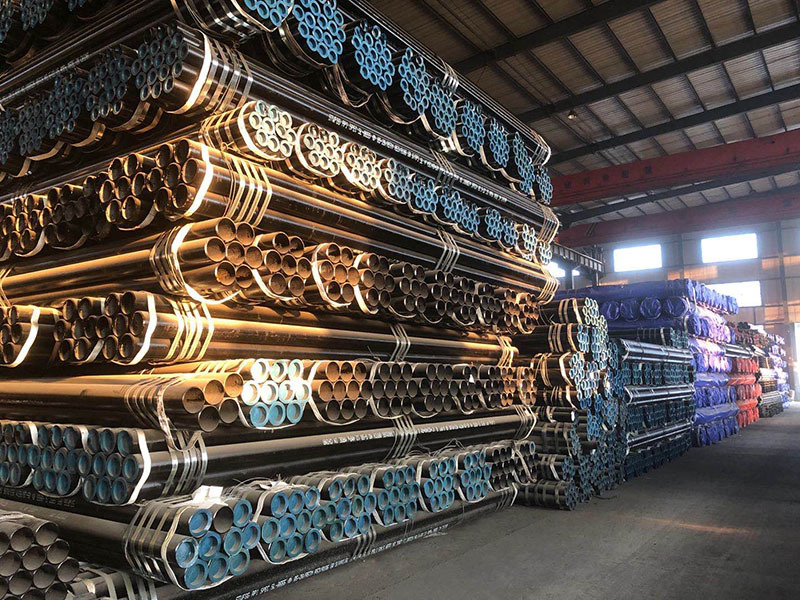
Why Choose Oil Line Pipe for Efficient Pipeline Systems?
Table of Contents
- 1. Introduction to Oil Line Pipes
- 2. Key Benefits of Oil Line Pipes
- 3. Common Applications of Oil Line Pipes
- 4. Material Properties of Oil Line Pipes
- 5. Installation Techniques for Oil Line Pipes
- 6. Maintenance Tips for Oil Line Pipes
- 7. Oil Line Pipes vs. Other Pipeline Options
- 8. FAQs About Oil Line Pipes
- 9. Conclusion
1. Introduction to Oil Line Pipes
In the world of industrial applications, the choice of piping materials is crucial for ensuring the efficiency and effectiveness of pipeline systems. **Oil line pipes** have emerged as a preferred option due to their unique properties and advantages. These pipes are specifically designed to transport oil and other hydrocarbons, making them an essential component in various industries, from oil and gas to chemical processing. Understanding the features and benefits of oil line pipes can help businesses make informed decisions that impact their operations.
2. Key Benefits of Oil Line Pipes
Choosing oil line pipes for your pipeline systems offers numerous benefits that can enhance productivity and minimize risks. Here, we explore some of the primary advantages.
2.1 Durability and Longevity
One of the standout features of oil line pipes is their **durability**. These pipes are engineered to withstand harsh environmental conditions, including extreme temperatures and aggressive substances. This robustness translates into a longer lifespan, reducing the need for frequent replacements and thus saving costs over time.
The materials used in the construction of oil line pipes often include high-strength alloys and corrosion-resistant coatings, which are essential for preventing degradation and maintaining structural integrity.
2.2 Enhanced Efficiency
Oil line pipes are designed for efficient fluid transport. Their smooth inner surfaces minimize resistance, allowing for better flow rates compared to other types of pipes. This efficiency is critical in industries where time is money; faster oil transport translates to improved operational productivity.
Additionally, the precise engineering of oil line pipes ensures that they can handle varying pressures and temperatures effectively, further optimizing performance.
2.3 Safety Features
Safety is a paramount concern in any pipeline system. Oil line pipes are designed with safety features that prevent leaks and ruptures, minimizing the risk of hazardous spills and environmental contamination. Many manufacturers implement stringent quality control measures and safety standards during production, ensuring that the pipes meet or exceed industry requirements.
Moreover, regular inspections and monitoring can help identify potential issues before they escalate, enhancing the overall safety of the system.
3. Common Applications of Oil Line Pipes
Oil line pipes are utilized in a wide array of applications across various sectors. Some of the most common uses include:
- **Oil and Gas Extraction**: Transporting crude oil from drilling sites to refineries.
- **Chemical Processing**: Moving hydrocarbons and other chemicals safely and efficiently.
- **Power Generation**: Transferring fuel to power plants.
- **Energy Sector**: Supporting infrastructure in renewable energy sources where oil derivatives are involved.
Each application requires specific considerations regarding the type of oil line pipe used, including diameter, pressure rating, and chemical compatibility.
4. Material Properties of Oil Line Pipes
The performance of oil line pipes heavily relies on the materials used in their manufacture. Common materials include:
- **Carbon Steel**: Known for its strength and toughness, carbon steel is widely used due to its ability to handle high pressures and temperatures.
- **Stainless Steel**: Offers excellent corrosion resistance, making it suitable for transporting aggressive fluids.
- **Plastic Composites**: Lightweight and resistant to corrosion, these materials are increasingly used in specific applications.
Selecting the right material based on the intended use is essential for optimal performance and longevity of the pipeline system.
5. Installation Techniques for Oil Line Pipes
Proper installation of oil line pipes is crucial for their effectiveness and safety. Here are essential steps to consider:
1. **Site Assessment**: Evaluate the installation site for environmental conditions and accessibility.
2. **Pipeline Design**: Create a detailed design that considers flow rates, pressure drops, and pipe supports.
3. **Connection Methods**: Use techniques such as welding, flanging, or mechanical couplings, ensuring that connections are secure and leak-proof.
4. **Testing**: After installation, conduct pressure testing to verify the integrity of the system and identify any leaks or weaknesses.
These steps are vital to ensure that the oil line pipes function effectively and safely in their respective applications.
6. Maintenance Tips for Oil Line Pipes
Regular maintenance is essential to prolong the lifespan of oil line pipes and prevent failures. Here are some key maintenance tips:
- **Routine Inspections**: Frequently check for signs of wear, corrosion, or leaks.
- **Pressure Monitoring**: Regularly monitor operating pressures to ensure they remain within safe limits.
- **Cleaning**: Implement cleaning procedures to remove deposits that can affect flow efficiency.
- **Documentation**: Keep detailed records of inspections and maintenance activities to track the condition of the pipeline over time.
By adhering to these maintenance practices, you can significantly enhance the reliability of your oil line pipe systems.
7. Oil Line Pipes vs. Other Pipeline Options
When considering pipeline options, it is essential to compare oil line pipes with alternatives such as PVC, HDPE, and copper pipes.
- **PVC Pipes**: While lightweight and resistant to corrosion, PVC pipes may not withstand high temperatures and pressures as effectively as oil line pipes.
- **HDPE Pipes**: Known for flexibility and resistance to chemical exposure, HDPE pipes may not offer the same level of durability and strength as oil line pipes.
- **Copper Pipes**: Copper is an excellent material for plumbing applications, but its cost and susceptibility to corrosion limit its use in high-pressure oil transport.
Ultimately, the choice between these options should be based on application requirements, budget constraints, and long-term performance expectations.
8. FAQs About Oil Line Pipes
1. What are oil line pipes made of?
Oil line pipes are typically made from materials like carbon steel, stainless steel, and, in some cases, plastic composites. Each material offers different benefits suited for specific applications.
2. How long do oil line pipes last?
The lifespan of oil line pipes can range from 20 to 50 years, depending on the material used, environmental conditions, and maintenance practices.
3. Can oil line pipes be used for other fluids?
Yes, oil line pipes can be used for various hydrocarbons and chemicals, but it's essential to ensure compatibility with the material used.
4. How do I know if my oil line pipes need maintenance?
Signs such as leaks, fluctuating pressure readings, and unusual noises during operation can indicate the need for maintenance.
5. What installation practices enhance the safety of oil line pipes?
Using proper connection methods, conducting pressure tests, and adhering to safety regulations during installation can enhance the safety of oil line pipes.
9. Conclusion
In conclusion, oil line pipes are a superior choice for efficient pipeline systems, offering unmatched durability, efficiency, and safety. Their specialized design and material properties make them ideal for transporting oil and other hydrocarbons in various applications. By understanding the benefits and best practices associated with oil line pipes, businesses can significantly enhance their operational efficiency and safeguard their pipeline systems. Investing in high-quality oil line pipes is a step towards ensuring reliable performance and long-term success in your industrial operations.
Key words:


Contact
E-mail:
Add:
Hope New District, Mengcun Hui Autonomous County,
Cangzhou City, Hebei Province


PRODUCT SEARCH
Search And Quickly Find The Products You Need
The main products include oil pipeline pipes, oil casing and various specifications of GB/T8162 structural pipes, GB8/T163 fluid pipes, GB/T3087 low and medium pressure boiler pipes, G/TB5310 high pressure boiler pipes, GB/T6479 fertilizer special pipes, etc.